
Beating Broke

Personal Finance from the Broke Perspective

  • Home
  • About
  • We Recommend
  • Contact
  • Our Editorial Commitment

Powered by Genesis

Search Results for: budget

16 Warning Signs You’re Heading Towards Financial Instability

May 22, 2024 By Catherine Reed Leave a Comment

16 Warning Signs You’re Heading Towards Financial Instability

Financial instability can creep up on anyone, often without explicit warning. Recognizing the signs early can help you take action to avoid deeper financial trouble. Here are 16 warning signs you’re heading towards financial instability.

1. Living Paycheck to Paycheck

Living Paycheck to Paycheck

Living paycheck to paycheck means your entire income goes towards expenses, leaving nothing for savings. This situation makes it challenging to handle unexpected expenses or emergencies. Finding yourself without any buffer between pay periods is a clear sign of financial instability. Creating a budget to manage your spending and build an emergency fund can help address this issue.

2. Increasing Credit Card Debt

Increasing Credit Card Debt

Relying on credit cards to cover basic living expenses is a significant red flag. As your credit card balances grow, so do your interest charges and minimum payments. This cycle can quickly become unmanageable, leading to financial instability. Focus on reducing your reliance on credit cards and paying down existing debt to regain financial stability.

3. No Emergency Fund

No Emergency Fund

An emergency fund acts as a safety net for unexpected expenses like medical bills or car repairs. Without one, even minor financial setbacks can throw you off balance. Financial experts recommend having at least three to six months’ worth of living expenses saved. Building an emergency fund should be a top priority to protect against financial instability.

4. Frequent Overdrafts

Frequent Overdrafts

Regularly overdrawing your bank account indicates poor financial management and insufficient funds. Overdraft fees can quickly add up, worsening your financial situation. This pattern suggests you may be living beyond your means. Monitoring your account balance and avoiding unnecessary expenses can help you avoid overdrafts and stabilize your finances.

5. Borrowing from Retirement Savings

Borrowing from Retirement Savings

Using retirement savings to cover current expenses can jeopardize your future financial security. This action not only depletes your nest egg but can also incur penalties and taxes. Frequent withdrawals from retirement accounts signal financial instability. Finding alternative solutions to manage short-term needs without tapping into retirement funds is crucial.

6. High Debt-to-Income Ratio

High Debt-to-Income Ratio

When your debt-to-income ratio is high, it usually means a large portion of your income goes towards repaying debt. This ratio can limit your ability to save or spend on necessary items. Financial experts recommend keeping this ratio below 36%. Reducing what you owe to creditors or increasing your income can help improve this ratio and enhance financial stability.

7. Ignoring Bills and Payments
Ignoring Bills and Payments

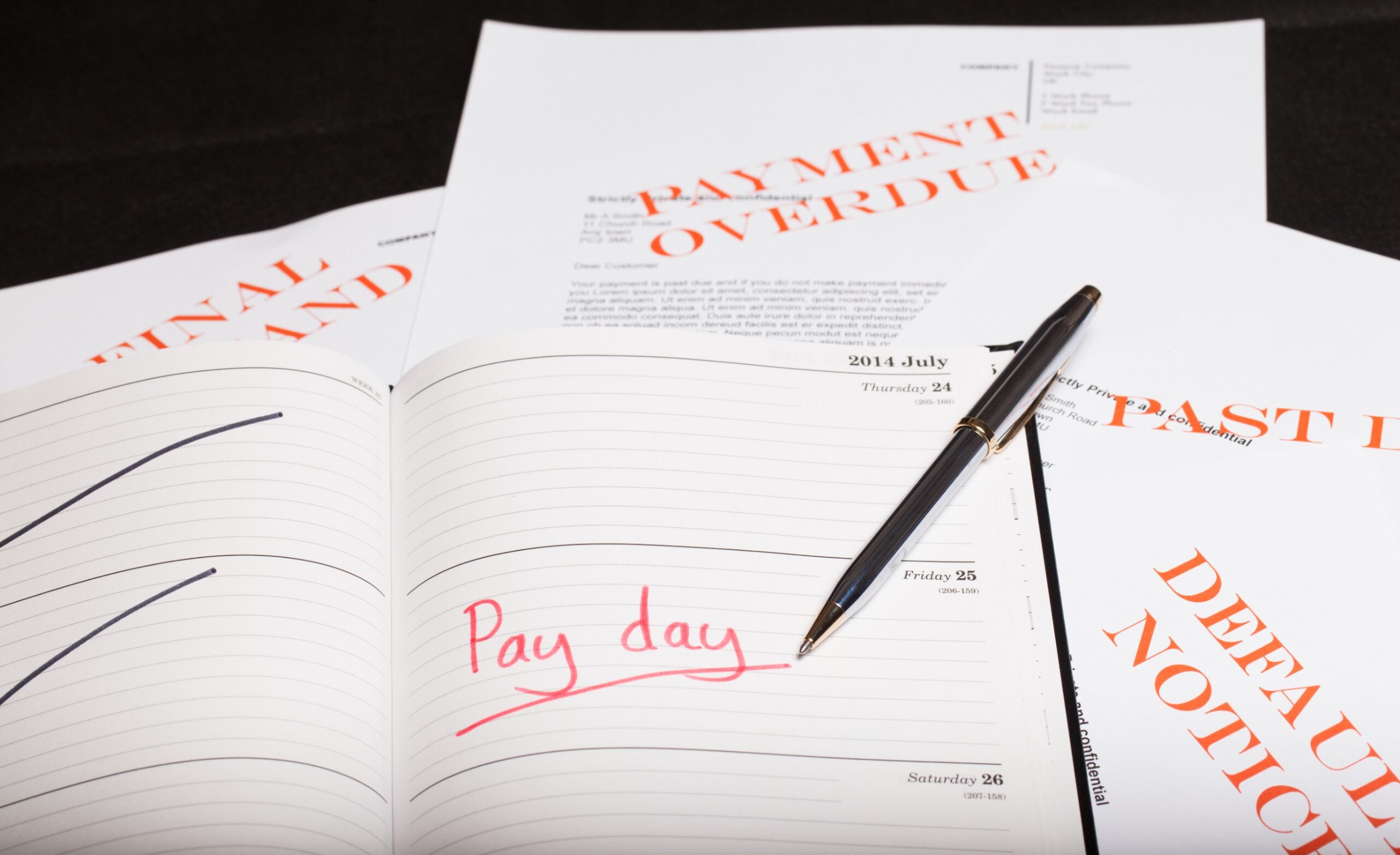
Ignoring bills and letting payments go past due can damage your credit score and lead to collection actions. This behavior indicates a lack of control over your finances and can escalate quickly. Keeping up with your financial obligations is essential to maintaining stability. Setting up automatic payments or reminders can help ensure bills are paid on time.

8. Dependence on Payday Loans

Dependence on Payday Loans

While they’re a quick way to access cash, payday loans typically come with exorbitant interest rates and shockingly high fees, creating a cycle of debt that’s hard to break. Reliance on these loans for everyday expenses indicates financial distress. Payday loans can trap you in a cycle of debt due to their high costs. Seeking alternative financial assistance or budgeting better can help you avoid these loans and their pitfalls.

9. Lack of Financial Goals

Lack of Financial Goals

Without clear financial goals, losing track of your spending and saving habits is easy. Having goals provides direction and motivation to manage your finances better. Setting specific, measurable, achievable, relevant, and time-bound (SMART) goals can guide your financial decisions. Establishing and working towards financial goals can help ensure long-term stability.

10. Rising Housing Costs

Rising Housing Costs

If your housing costs consume more than 30% of your income, it can strain your budget. High housing expenses can limit your ability to save or cover other necessary costs. Reassessing your housing situation or finding ways to reduce costs can alleviate this burden. Ensuring your housing expenses are manageable is key to financial stability.

11. Limited or No Insurance

Limited or No Insurance

Lack of adequate insurance coverage can leave you vulnerable to significant financial losses during emergencies. Health, auto, and home insurance are critical protections against unexpected expenses. Without them, you might face insurmountable costs that could lead to financial instability. Ensuring you have sufficient insurance coverage is crucial for protecting your finances.

12. Declining Credit Score
Declining Credit Score

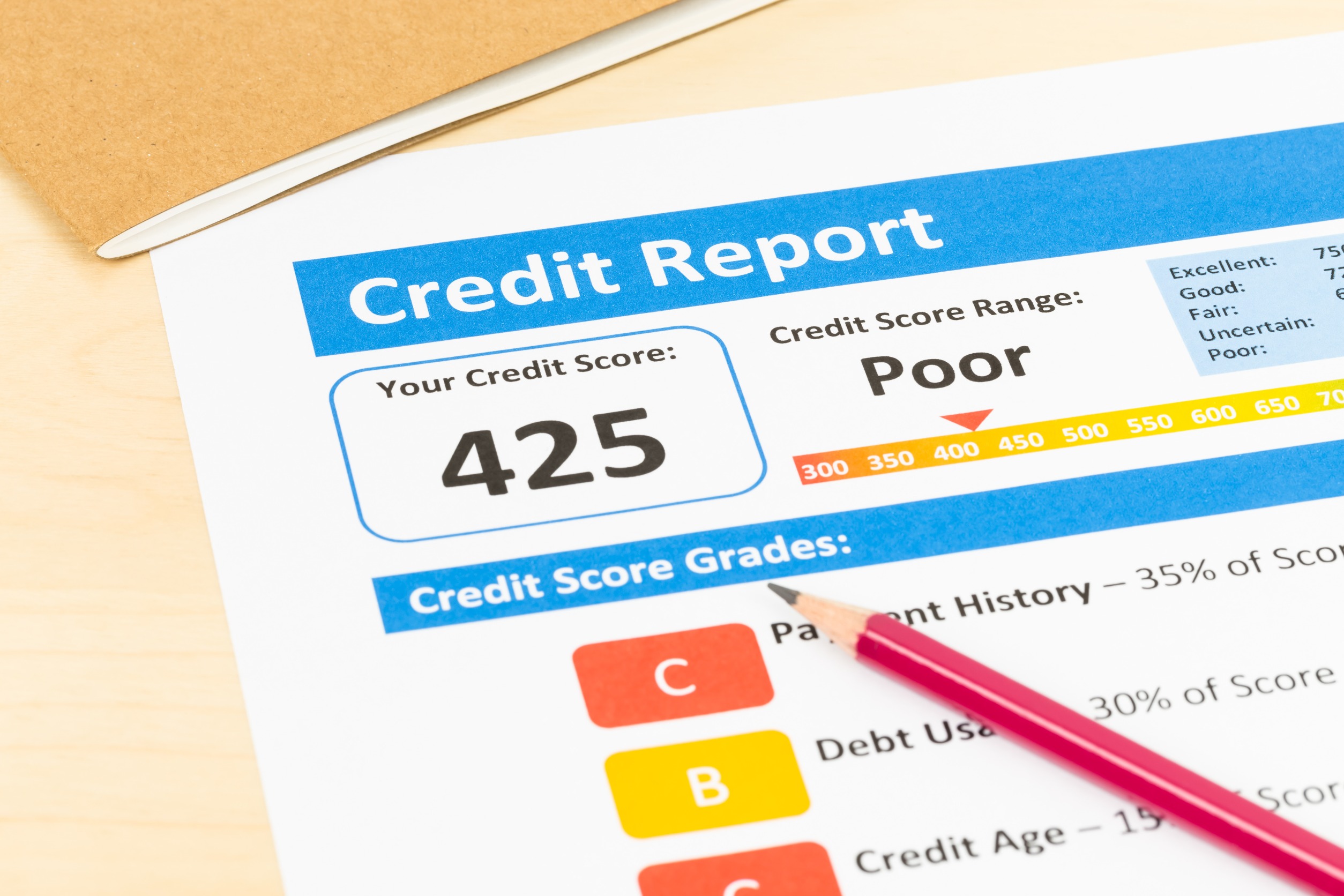
A declining credit score can indicate late payments, high credit utilization, or excessive debt. Your credit score affects your ability to secure loans, credit cards, and even housing. Monitoring and maintaining a healthy credit score is vital for financial stability. Paying bills on time and reducing debt can help improve your credit score.

13. No Budget or Financial Plan

No Budget or Financial Plan

Operating without a budget or financial plan means you lack control over your income and expenses. A budget helps you track spending, save money, and achieve financial goals. Without it, financial mismanagement and instability are more likely. Creating and sticking to a budget is essential for maintaining financial health.

14. Excessive Spending on Non-Essentials

Excessive Spending on Non-Essentials

Spending a significant portion of your income on non-essential items like dining out, entertainment, and luxury goods can indicate financial instability. Prioritizing wants over needs can deplete your savings and increase debt. Evaluating your spending habits and cutting back on non-essentials can help improve your financial situation. Redirecting those funds towards savings or debt repayment is a smarter financial move.

15. Constant Financial Stress

Constant Financial Stress

Persistent worry about money, bills, and debt can affect your mental and physical health. Financial stress often signals underlying issues like poor budgeting, excessive debt, or inadequate income. Addressing the root causes of financial stress is crucial for overall well-being. Seeking financial advice or counseling can help you develop a plan to alleviate stress and regain stability.

16. Difficulty Saving Money

Difficulty Saving Money

Struggling to save money despite earning a steady income can indicate financial instability. Savings are essential for future goals, emergencies, and retirement. If you find it hard to set aside money, reassess your budget and spending habits. Implementing automatic savings plans can make it easier to build a financial cushion and ensure long-term stability.

Keep an Eye Out for These Warning Signs to Avoid Financial Instability

Keep an Eye Out for These Warning Signs to Avoid Financial Instability

Recognizing these warning signs early can help you proactively avoid financial instability. By addressing these issues, you can regain control of your finances and work towards a more secure future. Prioritizing financial health is essential for achieving long-term stability and peace of mind.

Read More:

Creating a Personal Financial Plan: Steps to Long-Term Wealth

11 Things Gen Z Can Teach Baby Boomers About Money

Filed Under: Financial Mistakes Tagged With: financial instability, financial problems, financial trouble, financial wellness, red flags, warning signs

13 Strategies for Avoiding Impulse Buys and Sticking to Your Grocery List

May 20, 2024 By Catherine Reed Leave a Comment

13 Strategies for Avoiding Impulse Buys and Sticking to Your Grocery List

Impulse buying can wreak havoc on your budget and lead to unnecessary purchases. Sticking to your grocery list not only saves money but also helps maintain healthy eating habits. Here are 13 effective strategies for avoiding impulse buys and sticking to your grocery list.

1. Plan Your Meals in Advance

Plan Your Meals in Advance

Planning your meals for the week helps you create a focused grocery list. Knowing exactly what you need for each meal makes you less likely to stray into unnecessary purchases. A well-thought-out meal plan keeps you on track and ensures you only buy ingredients that you’ll use, reducing food waste and saving money.

2. Make a Detailed Grocery List

Make a Detailed Grocery List

A detailed grocery list is your best defense against impulse buys. List all the ingredients you need for your planned meals, including quantities. Having a specific list to follow reduces the temptation to buy items that aren’t on it. Stick to the list, and you’ll find it easier to avoid unnecessary purchases.

3. Set a Budget and Stick to It

Set a Budget and Stick to It

Before heading to the store, set a budget for your groceries. Knowing your spending limit helps you prioritize essential items over impulse buys. Keep track of your spending as you shop, and if you reach your budget limit, return non-essential items. This practice helps you become more mindful of your purchases.

4. Shop on a Full Stomach

Shop on a Full Stomach

Shopping while hungry is a recipe for impulse buys. Hunger makes everything look more appealing, leading you to purchase snacks and other items that you don’t need. Eat a meal or a substantial snack before you go grocery shopping to help you stick to your list and avoid unnecessary temptations.

5. Avoid Aisles with Tempting Items

Avoid Aisles with Tempting Items

Stay away from aisles that contain items you don’t need. If you frequently buy snacks or sweets on impulse, avoid those sections of the store altogether. Stick to the outer perimeter of the store where the essential items like produce, dairy, and meat are typically located.

6. Use a Basket Instead of a Cart

Use a Basket Instead of a Cart

Using a basket instead of a cart can help you avoid impulse buys. When you have limited space, you’re more likely to prioritize essential items and skip the unnecessary ones. A basket also makes you more conscious of how much you’re buying, helping you stick to your list.

7. Take Advantage of Online Shopping

Take Advantage of Online Shopping

Online grocery shopping allows you to avoid the temptations of in-store displays and promotions. With online shopping, you can easily stick to your list without distractions. Many online platforms also offer features like saved lists and automatic reorder options, making buying only what you need easier.

8. Set a Time Limit for Shopping

Set a Time Limit for Shopping

Setting a time limit for your grocery shopping can help you avoid lingering in the store and making impulse buys. A focused and quick shopping trip leaves less room for distractions and unnecessary purchases. Aim to complete your shopping within a specific timeframe to keep yourself on track.

9. Pay with Cash

Pay with Cash

Paying with cash instead of a card can help you stick to your budget and avoid impulse buys. You’re more conscious of your spending when you have a limited amount of cash. This method forces you to prioritize your purchases and avoid adding unnecessary items to your cart.

10. Avoid Shopping with Children

Avoid Shopping with Children

Children can often influence impulse buys with their requests for snacks and toys. If possible, shop alone or leave your children at home. You can focus on sticking to your list and making mindful purchases without the added pressure of fulfilling their requests.

11. Stick to Your Shopping Routine

Stick to Your Shopping Routine

Developing a consistent shopping routine helps you become more efficient and focused. Shop at the same store, on the same day, and at the same time each week. Familiarity with the store layout and having a routine reduces the likelihood of wandering into sections with tempting impulse buys.

12. Be Wary of Sales and Promotions

Be Wary of Sales and Promotions

Sales and promotions can be a major trigger for impulse buys. While taking advantage of discounts is tempting, only buy items on sale if they are on your list and you genuinely need them. Avoid the mindset of buying something just because it’s on sale, as it can lead to unnecessary purchases.

13. Practice Mindfulness While Shopping

Practice Mindfulness While Shopping

Being mindful while shopping involves being aware of your thoughts and actions. Before adding an item to your cart, ask yourself if it’s on your list and if you really need it. Take a moment to reflect on your choices and stay committed to avoiding impulse buys. Mindfulness helps you make more intentional and thoughtful purchasing decisions.

Avoiding Impulse Buys and Sticking to Your Grocery List Is Possible!

Avoiding Impulse Buys and Sticking to Your Grocery List Is Possible!

By implementing these strategies, you can effectively avoid impulse buys and stick to your grocery list. Not only will you save money, but you’ll also make healthier choices and reduce food waste. Remember, the key to successful grocery shopping lies in planning, discipline, and mindful decision-making.

Read More:

Grocery Shopping Secrets: 13 Foods with Amazingly Long Shelf Lives

Grocery Shopping Secrets: Top 10 Best Bargains at Trader Joe’s

Filed Under: Groceries Tagged With: avoiding impulse buys, groceries, grocery budget, grocery list, impulse buys, shopping

Grocery Shopping Secrets: 13 Foods With Amazingly Long Shelf Lives

May 17, 2024 By Shay Huntley Leave a Comment

Looking to reduce food waste and save cash? Opting for foods with longer shelf lives is a wise move. In this article, you’ll discover 13 pantry staples that not only fit the bill but also have the fantastic ability to last a long time. From the secrets to their longevity to how they can be used in various recipes, these essentials are perfect for anyone looking to be prepared for any situation. So, without further ado, let’s dive in and start stocking up!

1. Honey: The Eternal Sweetener

Honey is famous for its indefinite shelf life. Archaeologists have found pots of honey in ancient Egyptian tombs that were still preserved after thousands of years. The natural sugars and low moisture content in honey prevent the growth of microbes, ensuring it remains safe and tasty indefinitely. Always store honey in airtight containers to maintain its quality.

2. Rice: The Versatile Staple

Please keep in mind the following information:

Different types of rice, such as white, wild, jasmine, and basmati, have long shelf lives, often lasting up to 30 years when stored properly. It’s important to store rice in a cool, dry place away from sunlight. You can either freeze rice or store it in air-tight containers to maintain its quality for 30 years. Rice is not only a versatile ingredient but also serves as the base for numerous dishes across various cuisines.

3. Dried Beans: A Nutritious Choice

Dried beans can last up to 30 years in proper storage conditions. They are a powerhouse of nutrition. They provide essential proteins, vitamins, and minerals. Beans expand and soften when cooked, making them a hearty addition to any meal.

4. Pasta: Easy to Store, Easy to Cook

Dry pasta can last up to two years in your pantry due to its lack of moisture, which prevents spoilage. This pantry staple is a versatile ingredient. It can be paired with a wide variety of sauces and ingredients to create quick and easy meal options. Whether you prefer a classic marinara or a creamy alfredo, pasta is a versatile and convenient choice for any meal.

5. Canned Tuna: Protein-Packed and Preserved

Canned tuna has a shelf life of 2-5 years. It is a great source of protein and essential omega-3 fatty acids. The canning process, which involves sealing the tuna in an airtight container and heat sterilizing it, ensures it remains fresh and safe to eat for years. Its a favorite go-to of mine.

6. Salt: More Than Just Seasoning

Salt is a household staple. It essentially has an unlimited shelf life due to its mineral nature. It’s not only crucial for flavoring but also plays a significant role in preserving other foods. Salt inhibits the growth of bacteria by drawing moisture out of cells, making it an indispensable pantry item.

7. Sugar: Sweet and Stable

Sugar, similar to salt, has an indefinite shelf life if stored in a dry environment and kept free from contaminants. Its preservation capabilities are akin to those of honey. The high sugar content prevents the growth of harmful microbes. This makes it a reliable pantry staple for long-term storage.

8. Pure Vanilla Extract: Flavorful Forever

Pure vanilla extract is made by dissolving vanilla beans in alcohol. As such, it has an endless shelf life. Its alcohol base serves as a natural preservative. this makes it a perpetual addition to your baking supplies.

9. Cornstarch: For Thickening and Beyond

Cornstarch is a versatile kitchen ingredient that can be stored indefinitely in a cool, dry place. It is widely used as a thickening agent in cooking and baking. It can also add texture and smoothness to a variety of dishes. This essential pantry item is a must-have for any home cook.

10. Hard Liquor: Cheers to Longevity

Distilled spirits such as vodka, rum, and whiskey have an indefinite shelf life. This is due to their high alcohol content. It effectively prevents bacterial growth and ensures the preservation of the liquor over time. The high proof of these spirits makes them resistant to spoilage, allowing them to be stored for extended periods without compromising their quality.

11. Maple Syrup: Naturally Long-Lasting

When unopened, maple syrup can last indefinitely. Its high sugar content prevents spoilage. However, once opened, it should be refrigerated to maintain its quality and prevent mold growth. It’s important to keep the lid tightly sealed to prevent moisture from getting in and affecting the syrup. Storing it in the refrigerator will help preserve the flavor and consistency of the syrup for a longer period.

12. Soy Sauce: Aged to Perfection

After opening a bottle of soy sauce, it’s important to refrigerate it to maintain its flavor and quality. This is because exposure to air and light can cause the soy sauce to deteriorate more quickly. Despite its high salt content, an opened bottle of soy sauce can last for about one year when stored in the refrigerator. If left unopened, it can last up to 3 years.

13. Apple Cider Vinegar: Versatile and Durable

Apple cider vinegar has an incredibly long shelf life. this is because of its high acidity, which makes it resistant to spoilage. It is not just a common ingredient in the kitchen, but also renowned for its numerous health benefits. These include its ability to aid in digestion, help regulate blood sugar levels, and improve skin health when used in skincare routines.

Keep Your Pantry Prepared and Your Budget Happy!

Understanding which foods have long shelf lives is important for better pantry management and for living a more sustainable lifestyle. It helps minimize waste and maximize budget efficiency. By including these 13 staples in your shopping routine, you can ensure that your kitchen is always stocked with versatile and durable ingredients. A well-prepared pantry is the secret to both peace of mind and culinary creativity.

Read More

4 Meals from the Pantry to Save Money

Grocery Shopping Secrets: Top 10 Best Bargains at Trader Joe’s

Filed Under: Groceries Tagged With: Emergency Preparedness, Food Storage, grocery shopping, Long Shelf Lives, Pantry Staples, sustainable living

  • « Previous Page
  • 1
  • …
  • 70
  • 71
  • 72
  • 73
  • 74
  • …
  • 179
  • Next Page »
  • Facebook
  • Pinterest
  • RSS
  • Twitter

Improve Your Credit Score

Money Blogs

  • Celebrating Financial Freedom
  • Christian PF
  • Dual Income No Kids
  • Financial Panther
  • Gajizmo.com
  • Lazy Man and Money
  • Make Money Your Way
  • Money Talks News
  • My Personal Finance Journey
  • Personal Profitability
  • PF Blogs
  • Reach Financial Independence
  • So Over Debt
  • The Savvy Scot
  • Yes, I am Cheap

Categories

Disclaimer

Please note that Beating Broke has financial relationships with some of the merchants mentioned here. Beating Broke may be compensated if consumers choose to utilize the links located throughout the content on this site and generate sales for the said merchant.

Visit Our Advertisers

Need to change careers? Consider an Accounting Certificate Program from WTI.