
Beating Broke

Personal Finance from the Broke Perspective

  • Home
  • About
  • We Recommend
  • Contact
  • Privacy Policy

Powered by Genesis

10 Unexpected Benefits of Living on a Tight Budget: The Upsides of Being Broke

April 16, 2024 By Catherine Reed Leave a Comment

Unexpected Benefits of Living on a Tight Budget The Upsides of Being Broke

In an era where consumer culture and social media often define success and happiness, living within a tight budget can seem less like a choice and more like a last resort. Yet, as we navigate through economic uncertainties, a rising cost of living, and a collective push towards more sustainable living, the constraints of a tight budget reveal numerous unexpected advantages. Here are ten surprising upsides to embracing frugality that might just redefine your notion of being “broke.”

1. Unleashing Creativity and Innovation

Unleashing Creativity and Innovation

Necessity is undeniably the mother of invention, and a tight budget is the playground of creativity. Limited financial resources force you to think innovatively, be it through DIY projects, discovering alternative solutions to everyday problems, or simply finding joy in creating something from nothing. This kind of creativity not only adds a unique zest to life but also hones problem-solving skills that are invaluable across all aspects of life.

2. Mastering Financial Discipline

Mastering Financial Discipline

Navigating a tight budget is akin to a masterclass in personal finance. It teaches you the importance of tracking every expense, differentiating between wants and needs, and planning for the future. This acute financial awareness and discipline lay a solid foundation for managing resources more effectively, ensuring long-term stability and peace of mind.

3. Rediscovering the Joy in Simplicity

Rediscovering the Joy in Simplicity

In a world with a constant bombardment of messages telling us we need more, living on a tight budget teaches us the opposite. It reminds us that happiness often lies in life’s simplest moments—reading a book, enjoying nature, or spending time with loved ones. This realization fosters a deeper appreciation for what truly matters, leading to a more content and fulfilling existence.

4. Contributing to a Greener Planet

Contributing to a Greener Planet

A frugal lifestyle naturally leads to reduced consumption and waste. By making thoughtful purchases, reusing, and recycling, you not only save money but also contribute to environmental sustainability. This mindful approach to living aligns with the growing global consciousness around minimizing our ecological footprint and living more harmoniously with our planet.

5. Building Resilience and Flexibility

Building Resilience and Flexibility

Living on a tight budget is not without its challenges. Yet, through these challenges, you develop a resilience that transcends financial aspects. You learn to adapt, make do, and find solutions, precious skills for navigating life’s unpredictable nature.

6. Fostering Authentic Connections

Fostering Authentic Connections

Without funds for lavish entertainment or dining, you’re likely to seek out more genuine and heartfelt ways to connect with others. Simple gatherings, shared experiences, and meaningful conversations often lead to stronger, more authentic relationships that aren’t predicated on spending money but on the quality of time spent together.

7. Escaping the Debt Trap

Escaping the Debt Trap

A tight budget often necessitates living within your means, which naturally steers you away from the lure of credit cards and loans. This debt avoidance spares you the stress and constraints associated with repayments and fosters a sense of freedom and autonomy in your financial life.

8. Gaining Clarity on What Truly Matters

Gaining Clarity on What Truly Matters

When resources are limited, you’re compelled to scrutinize your spending, which, in turn, brings clarity to your values and priorities. This reflective process allows you to align your lifestyle more closely with your values, leading to a more authentic and fulfilling life.

9. Embracing Self-Sufficiency

Embracing Self-Sufficiency

The constraints of a tight budget often lead to learning new skills out of necessity, whether it’s cooking from scratch, repairing items instead of replacing them, or growing your own vegetables. These skills not only save money but also instill a profound sense of self-reliance and empowerment.

10. Laying the Groundwork for Future Prosperity

Laying the Groundwork for Future Prosperity

Interestingly, the habits cultivated from living frugally—such as saving diligently, investing wisely, and making thoughtful financial decisions—can significantly contribute to future financial success. When your financial situation improves, the principles and practices honed during tighter times ensure you manage your increased resources wisely, avoiding the pitfalls often accompanying financial windfalls.

These Benefits of Living on a Tight Budget Show There’s an Upside to Being Broke!

These Benefits of Living on a Tight Budget Show There’s an Upside to Being Broke!

Living on a tight budget may initially seem daunting, but it harbors many unexpected benefits that extend well beyond mere financial savings. From fostering creativity and resilience to promoting environmental sustainability and deeper human connections, the advantages of a frugal lifestyle are profound and far-reaching. Embracing the constraints of a tight budget paves the way for a more stable financial future and enriches your life in ways money cannot buy, illustrating the timeless truth that sometimes, less truly is more.

Read More:

9 of the Most Common Reasons People End Up Broke

The Psychology of Poverty: 18 Surprising Effects of Being Broke on Your Mind

Catherine Reed
Catherine Reed

Catherine is a tech-savvy writer who has focused on the personal finance space for more than eight years. She has a Bachelor’s in Information Technology and enjoys showcasing how tech can simplify everyday personal finance tasks like budgeting, spending tracking, and planning for the future. Additionally, she’s explored the ins and outs of the world of side hustles and loves to share what she’s learned along the way. When she’s not working, you can find her relaxing at home in the Pacific Northwest with her two cats or enjoying a cup of coffee at her neighborhood cafe.
Filed Under: budget, ShareMe Tagged With: being broke, benefits of being broke, living on a tight budget, no money, Personal Finance, tight budget

9 of the Most Common Reasons People End Up Broke

April 3, 2024 By Catherine Reed Leave a Comment

Most Common Reasons People End Up Broke

In an era where financial literacy is more accessible than ever, the question arises: why do so many individuals still end up broke? This perplexing issue isn’t confined to any single demographic or geographic location; it spans across various segments of society. From unforeseen emergencies to lackluster financial planning, the reasons are manifold and multifaceted, and it’s important to consult a professional insolvency practitioner early on. Here, we delve into the nine most common reasons people end up broke, shedding light on the pitfalls that can lead to a precarious financial situation.

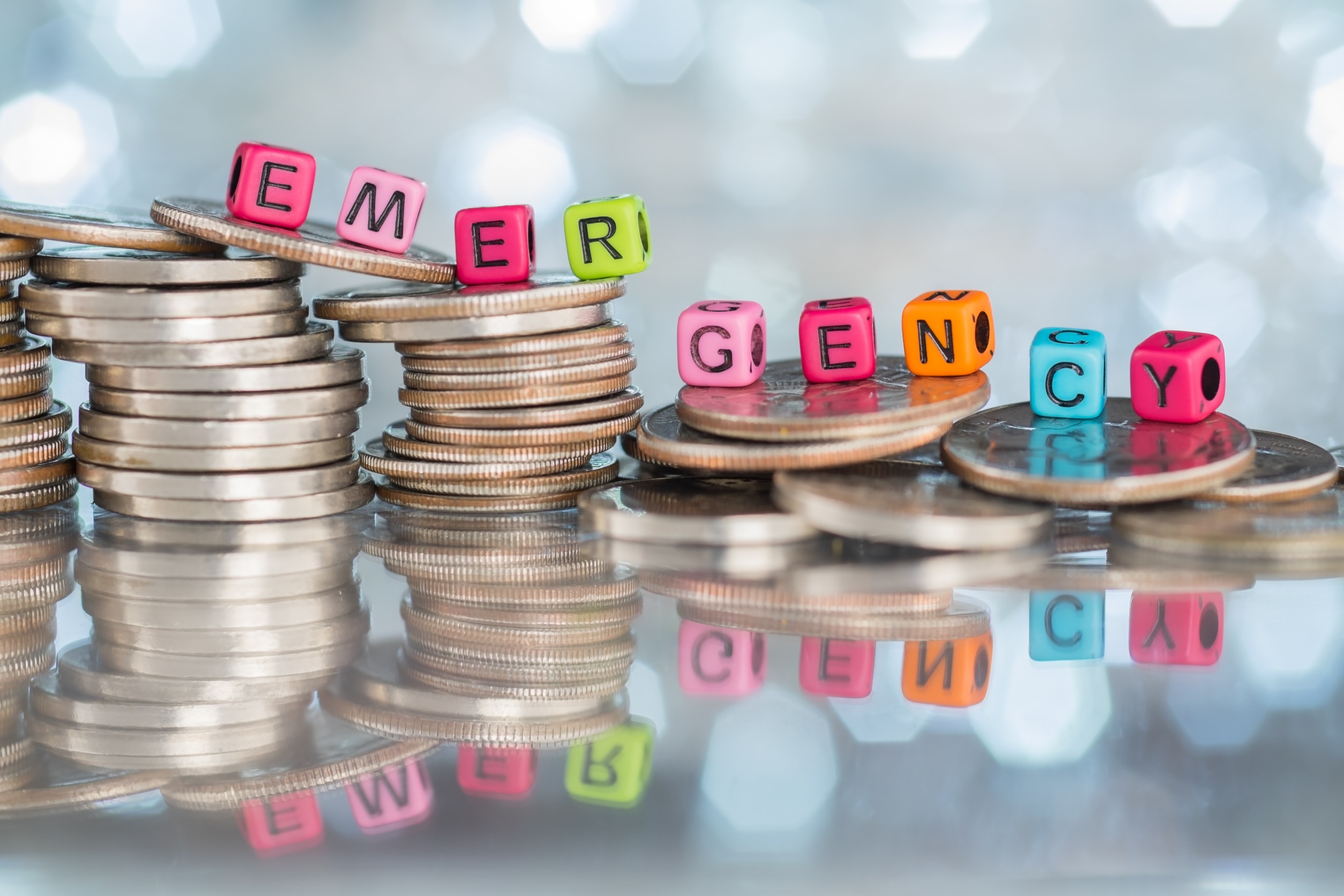
1. Lack of Emergency Savings

Lack of Emergency Savings

One of the fundamental principles of sound financial management is maintaining an emergency fund. Yet, many individuals find themselves unprepared for unexpected expenses such as medical emergencies, car repairs, or sudden job loss. The absence of a safety net can quickly escalate into a cycle of debt as people turn to high-interest credit options, leading to a precarious financial situation that’s hard to escape.

2. Living Beyond Means

Living Beyond Means

In a society that often equates success with material possessions, living beyond one’s means has become a widespread issue. The allure of instant gratification, coupled with the ease of access to credit, tempts many into a lifestyle they cannot afford. The accumulation of unnecessary debt for luxuries rather than necessities is a direct pathway to financial distress.

3. Inadequate Financial Literacy

Inadequate Financial Literacy

Despite the wealth of information available, a significant portion of the population lacks basic financial literacy. This gap in knowledge can lead to poor financial decisions, such as high-risk investments without understanding the market or failing to read the fine print on loan agreements. Financial education is crucial in empowering individuals to make informed decisions and avoid pitfalls that could lead to being broke.

4. Failure to Budget and Plan

Failure to Budget and Plan

Budgeting is the cornerstone of financial stability, yet it’s often overlooked. Without a clear understanding of income versus expenses, saving becomes an afterthought, and overspending becomes the norm. This lack of planning not only impedes the ability to save for future goals but also increases vulnerability to falling into debt.

5. High Cost of Living

High Cost of Living

In many urban areas, the cost of living has skyrocketed, outpacing income growth. Housing, healthcare, and education costs can consume a significant portion of income, leaving little room for savings. This economic squeeze can force individuals into a paycheck-to-paycheck existence with no buffer for financial shocks.

6. Poor Debt Management

Poor Debt Management

Debt, if not managed wisely, can become a relentless burden, particularly when high-interest debts such as credit card balances are involved, which can snowball and consume an ever-larger portion of one’s income. Without a strategic approach to debt reduction, such as prioritizing high-interest debts, seeking lower interest rates, or consolidating loans, individuals can find themselves in a deep financial hole, struggling to climb out and regain their financial footing.

7. Job Loss or Reduced Income

Job Loss or Reduced Income

The volatility of the job market can lead to unexpected unemployment or a reduction in income, drastically altering one’s financial landscape and making it difficult to meet even basic living expenses. Without adequate savings or a contingency plan, this sudden loss of income can lead to rapid financial decline – pushing individuals toward the brink of insolvency – and underscoring the importance of having a financial buffer in today’s unpredictable economy.

8. Medical Expenses

Medical Expenses

Even with health insurance, medical emergencies can lead to substantial out-of-pocket expenses, often catching individuals off guard. In countries without comprehensive healthcare, a single medical emergency can wipe out savings and lead to crippling debt, illustrating the precarious balance between health and financial well-being.

9. Lack of Diversified Income Streams

Lack of Diversified Income Streams

Reliance on a single source of income is increasingly risky in today’s dynamic economic environment. Job security is no longer a given, and unexpected disruptions can lead to a complete loss of income. Diversifying income streams, whether through investments, side gigs, or acquiring new skills, can provide a financial cushion and reduce the risk of ending up broke.

Avoiding Pitfalls That Cause People to End Up Broke

Avoiding Pitfalls That Cause People to End Up Broke

The journey to financial stability is fraught with challenges, yet understanding the common pitfalls can serve as the first step toward avoiding them. By fostering financial literacy, living within one’s means, and adopting prudent financial practices, individuals can navigate the complexities of personal finance and steer clear of the perilous path that leads to being broke. In a world where economic uncertainties abound, preparedness and knowledge remain our most reliable allies.

Read More:

The Psychology of Poverty: 18 Surprising Effects of Being Broke on Your Mind

Why Being Broke in Your 20s Can Be the Best Thing for Your Future: 13 Reasons

Catherine Reed
Catherine Reed

Catherine is a tech-savvy writer who has focused on the personal finance space for more than eight years. She has a Bachelor’s in Information Technology and enjoys showcasing how tech can simplify everyday personal finance tasks like budgeting, spending tracking, and planning for the future. Additionally, she’s explored the ins and outs of the world of side hustles and loves to share what she’s learned along the way. When she’s not working, you can find her relaxing at home in the Pacific Northwest with her two cats or enjoying a cup of coffee at her neighborhood cafe.

Filed Under: personal finance, ShareMe Tagged With: being broke, broke, financial challenges, financial problems, financial uncertainty, no money, Personal Finance

  • Facebook
  • Pinterest
  • RSS
  • Twitter

Improve Your Credit Score

Money Blogs

  • Celebrating Financial Freedom
  • Christian PF
  • Dual Income No Kids
  • Financial Panther
  • Gajizmo.com
  • Lazy Man and Money
  • Make Money Your Way
  • Money Talks News
  • My Personal Finance Journey
  • Personal Profitability
  • PF Blogs
  • Reach Financial Independence
  • So Over Debt
  • The Savvy Scot
  • Yes, I am Cheap

Categories

Disclaimer

Please note that Beating Broke has financial relationships with some of the merchants mentioned here. Beating Broke may be compensated if consumers choose to utilize the links located throughout the content on this site and generate sales for the said merchant.

Visit Our Advertisers

Need to change careers? Consider an Accounting Certificate Program from WTI.