
Beating Broke

Personal Finance from the Broke Perspective

  • Home
  • About
  • We Recommend
  • Contact
  • Our Editorial Commitment

Powered by Genesis

How Much Should I Spend on a Car if I Make $100,000?

June 6, 2024 By Catherine Reed Leave a Comment

How Much Should I Spend on a Car if I Make $100,000

“How much should I spend on a car?” is a big question that’s not always easy to answer at first. Deciding how much to spend on a car can be challenging, especially when considering a $100,000 annual income. While it’s tempting to splurge on a luxurious vehicle, it’s essential to balance this desire with financial prudence. Factors such as debt, savings goals, and overall budget play significant roles in determining the appropriate expenditure on a car. Here are some guidelines to help you make an informed decision about how much to spend on a vehicle.

The 20/4/10 Rule

The 20/4/10 rule provides a practical guideline for car purchasing. According to this rule, you should aim to put down at least 20% of the car’s price as a down payment, finance the car for no more than four years, and keep your monthly car payment (including insurance) under 10% of your gross monthly income. For someone earning $100,000 annually, this means a maximum monthly car payment of approximately $833. This rule helps ensure that you don’t overextend yourself financially.

Considering Other Expenses

When answering, “How much should I spend on a car?” consider all related expenses, not just the sticker price. Monthly payments, insurance, maintenance, and fuel costs should all fit comfortably within your budget. On a $100,000 salary, it’s crucial to factor in these additional costs to avoid financial strain. A comprehensive budget will help you make a realistic assessment of what you can afford.

Financial Priorities and Goals

Financial Priorities and Goals

Evaluate your financial priorities and long-term goals before making a car purchase. Are you saving for a house, planning for retirement, or building an emergency fund? Allocating too much money to a car can hinder your ability to achieve these goals. Ensuring that your car budget aligns with your broader financial objectives is key to maintaining financial health.

Total Cost of Ownership

The total cost of ownership (TCO) includes more than just the purchase price of the car. Depreciation, fuel, insurance, maintenance, and repairs all contribute to the TCO. Research the TCO of different car models to understand their long-term costs. This approach helps you avoid unforeseen expenses and ensures you choose a car that fits your financial situation.

New vs. Used Cars

Deciding between a new or used car significantly impacts how much you should spend. New vehicles depreciate rapidly, losing a significant portion of their value within the first few years. A used car, particularly one that is two to three years old, can offer better value and lower depreciation rates. Considering a used vehicle can help you get more for your money while adhering to your budget.

Leasing vs. Buying

Leasing a car might be an attractive option if you prefer driving newer models and want lower monthly payments. However, leasing comes with mileage limits and potential fees for excess wear and tear. Buying a car, on the other hand, provides ownership and can be more cost-effective in the long run. Evaluate the pros and cons of leasing versus buying to determine which option best suits your financial situation.

Emergency Fund Considerations
Emergency Fund Considerations

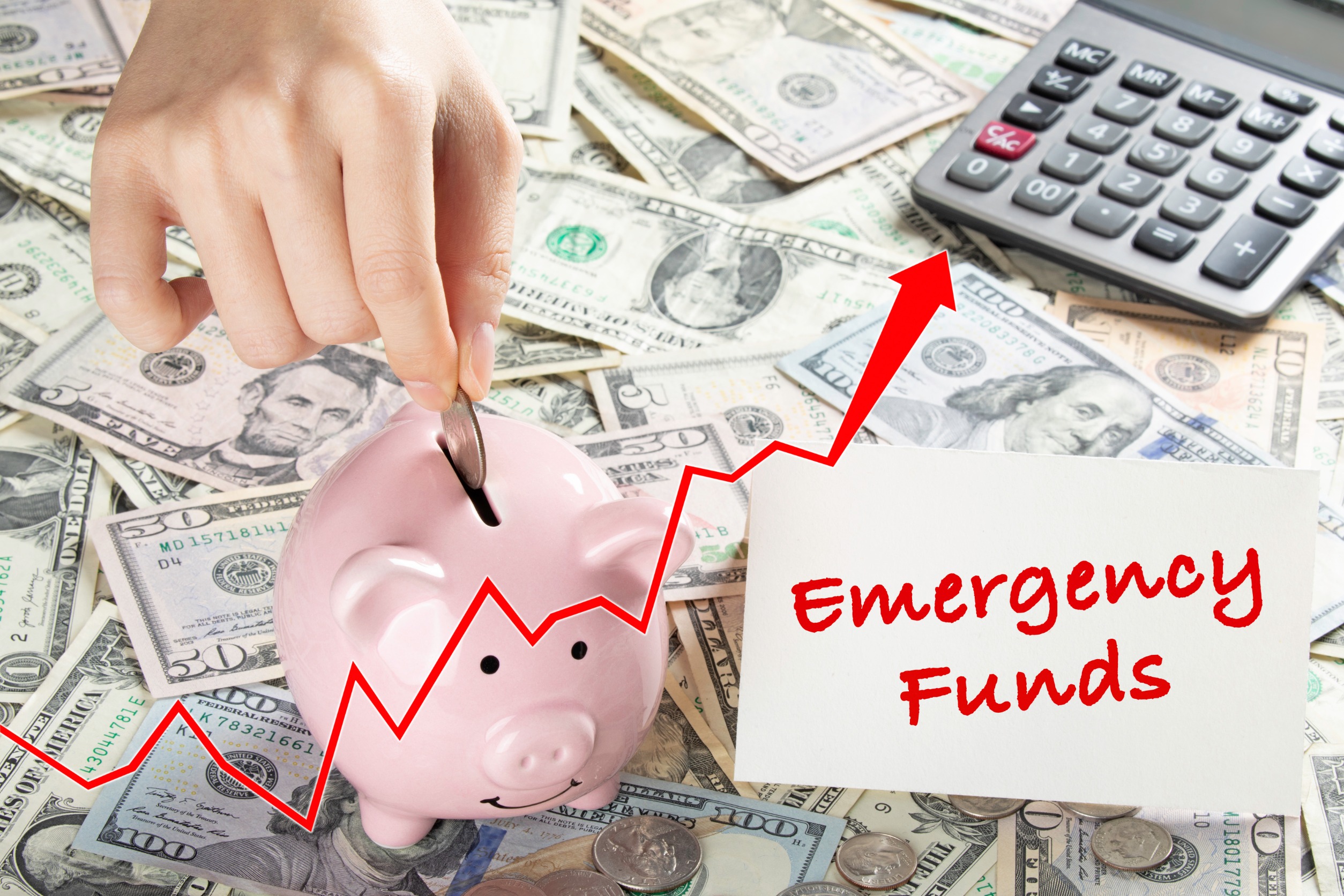
While answering the question, “How much should I spend on a car?” ensure you have sufficient emergency funds before making the purchase. Financial advisors typically recommend having three to six months’ worth of living expenses saved. This fund provides a safety net for unexpected expenses or income loss. Prioritizing your emergency fund can prevent financial stress in the event of unforeseen circumstances.

Avoiding Overextension

It’s easy to get carried away with the allure of a high-end vehicle, but it’s crucial to avoid overextension. Spending too much on a car can lead to financial stress and limit your ability to enjoy other aspects of life. Aim to strike a balance between a vehicle that meets your needs and one that allows you to maintain a comfortable lifestyle. Staying within your means is essential for long-term financial stability.

Resale Value

Consider the resale value of the car you’re interested in. Some vehicles retain their value better than others, which can significantly impact your financial position when it’s time to sell or trade in. Research the resale values of different models to make a more informed decision. Choosing a car with a high resale value can provide better long-term financial outcomes.

Insurance Costs

Insurance premiums vary significantly based on the car’s make, model, and age. Luxury or high-performance vehicles often come with higher insurance costs. Obtain insurance quotes for the cars you’re considering to ensure the premiums fit within your budget. This step helps you avoid surprises and ensures you can afford the total cost of ownership.

Fuel Efficiency
Fuel Efficiency

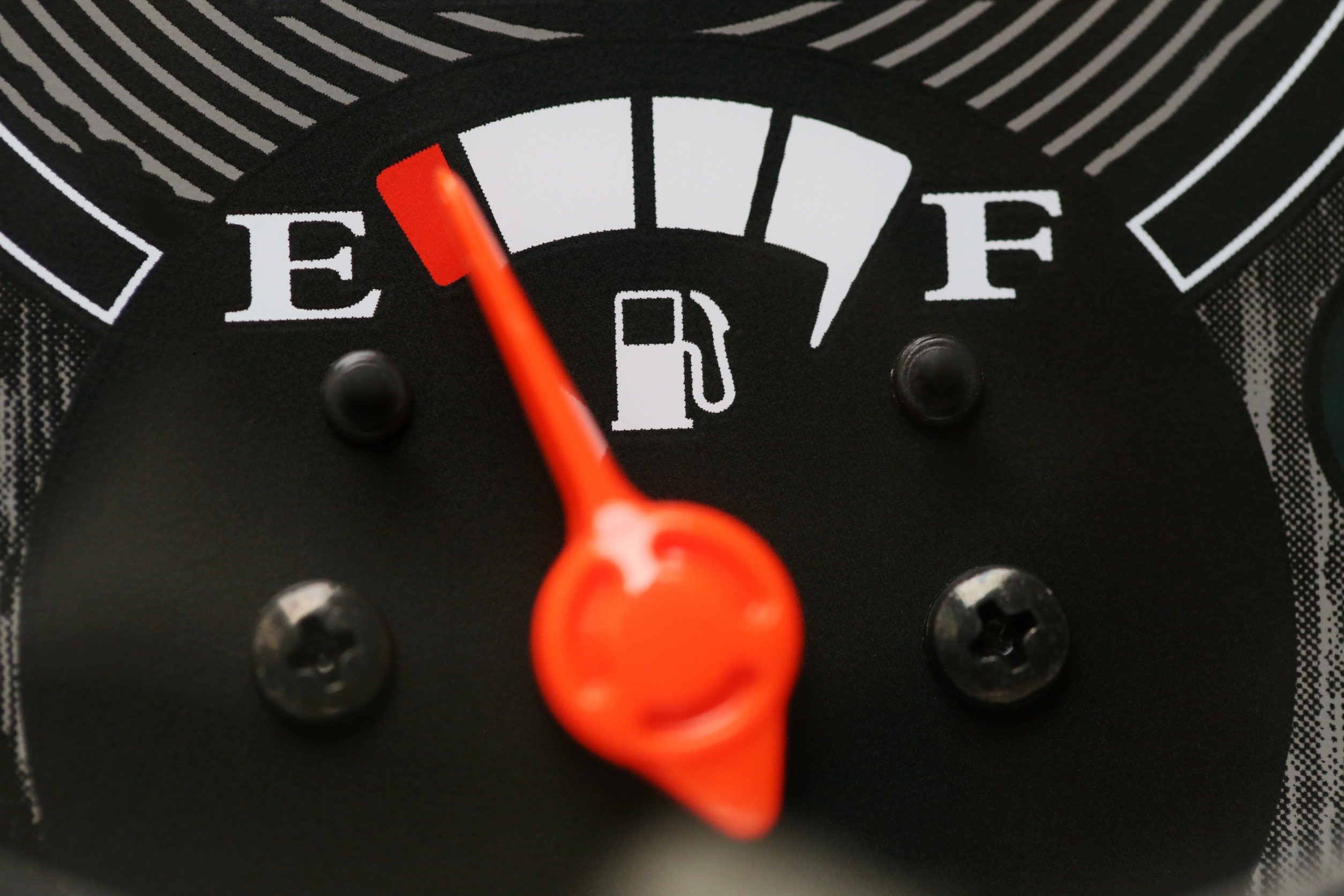
Fuel efficiency is another critical factor to consider when determining how much to spend on a car. Cars with better fuel economy can save you significant money on gas over time. Evaluate the fuel efficiency ratings of different models to find a balance between performance and cost savings. Opting for a fuel-efficient vehicle can reduce your overall transportation expenses.

Personal Preferences and Needs

Finally, consider your personal preferences and needs when deciding how much to spend on a car. Do you prioritize luxury features, or are practicality and reliability more important? Assessing your driving habits, lifestyle, and priorities will help you choose a car that suits you without overspending. Making a thoughtful decision based on your unique circumstances will lead to greater satisfaction with your purchase.

You Can Figure Out, “How Much Should I Spend on a Car if I Make $100,000?”

When determining how much to spend on a car with a $100,000 income, consider these guidelines and factors to make a well-informed decision. Balancing your desire for a new vehicle with your financial responsibilities and goals ensures that you make a purchase that enhances your life without compromising your financial health. Making smart financial choices today will provide stability and flexibility for the future.

Read More:

18 Classic Car Features That Have Vanished in Modern Vehicles

Road Trips Gone Wrong: 10 Common Pitfalls and How to Avoid Them

Catherine Reed
Catherine Reed

Catherine is a tech-savvy writer who has focused on the personal finance space for more than eight years. She has a Bachelor’s in Information Technology and enjoys showcasing how tech can simplify everyday personal finance tasks like budgeting, spending tracking, and planning for the future. Additionally, she’s explored the ins and outs of the world of side hustles and loves to share what she’s learned along the way. When she’s not working, you can find her relaxing at home in the Pacific Northwest with her two cats or enjoying a cup of coffee at her neighborhood cafe.


Filed Under: Spending Tagged With: budgeting, buying a car, car ownership, how much should i spend, Personal Finance, spending

Gen X Retirement: 10 Signs That You Can’t Afford to Retire Early

May 27, 2024 By Catherine Reed Leave a Comment

Gen X Retirement 10 Signs That You Can't Afford to Retire Early

The dream of retiring early can be enticing, especially for Generation X. However, the reality of financial readiness can sometimes be sobering. Assessing whether you’re truly prepared for such a significant life change is crucial. For Gen X retirement planning, here are ten signs that you might not be ready to retire early.

1. Insufficient Retirement Savings

Insufficient Retirement Savings

One of the most obvious signs is a lack of sufficient retirement savings. Financial experts recommend having at least eight times your annual salary saved by the time you reach your 60s. If you find yourself far from this goal, it’s a clear indicator that early retirement might not be feasible. Continuing to work can provide more time to build a more substantial nest egg.

2. High Levels of Debt

High Levels of Debt

Carrying high levels of debt into retirement can significantly impact your financial stability. Whether it’s a mortgage, credit card debt, or personal loans, these obligations can eat into your retirement income. Ensuring that you’re debt-free or have a manageable debt load is crucial before considering early retirement. Paying off debts can also provide a sense of financial security.

3. Dependence on Social Security

Dependence on Social Security

If you find yourself heavily relying on Social Security benefits to fund your retirement, you might not be ready to retire early. Social Security is designed to supplement retirement income, not be the primary source. Depending on it too much can limit your financial flexibility and quality of life. It’s essential to have other income sources, such as savings or investments.

4. Lack of Health Insurance Coverage

Lack of Health Insurance Coverage

Health insurance is a critical component of retirement planning. Without employer-provided health insurance, you may face high out-of-pocket medical expenses. Medicare coverage begins at age 65, so retiring early means bridging the gap with private insurance, which can be costly. Ensuring you have adequate health coverage is essential before retiring.

5. No Clear Retirement Plan

No Clear Retirement Plan

Retiring early requires a well-thought-out plan that addresses your financial needs and lifestyle goals. Without a clear plan, you risk running out of money or facing unexpected expenses. A comprehensive retirement plan should include a budget, investment strategy, and a contingency plan. Consulting with a financial advisor can help create a realistic and achievable plan.

6. High Monthly Expenses

High Monthly Expenses

High monthly expenses can quickly deplete your retirement savings. Analyzing your current spending habits and identifying areas where you can cut back is crucial. Reducing costs can free up more money for savings and investments, making early retirement more achievable. Consider downsizing your home or eliminating non-essential expenses.

7. Inadequate Emergency Fund

Inadequate Emergency Fund

An emergency fund acts as a financial safety net for unexpected expenses. Without an adequate emergency fund, you may have to dip into your retirement savings, jeopardizing your long-term financial security. Financial experts recommend having at least three months’ worth of living expenses saved in an easily accessible account, with six months’ worth being the preferred target. Building a robust emergency fund is a crucial step towards financial preparedness.

8. Dependents Relying on Your Income

Dependents Relying on Your Income

If you still have dependents relying on your income, such as children or elderly parents, retiring early might not be practical. Supporting dependents can place a significant strain on your financial resources. Ensuring your dependents are financially independent or have alternative support is essential before considering early retirement. This can help alleviate financial pressure and provide peace of mind.

9. Uncertain Investment Returns

Uncertain Investment Returns

Relying on uncertain investment returns can be risky when planning for early retirement. Market fluctuations can impact the value of your investments, affecting your retirement income. Having a diversified investment portfolio can help mitigate risks and provide more stable returns. It’s important to review your investment strategy regularly and adjust as needed.

10. Fear of Outliving Your Savings

Fear of Outliving Your Savings

A common concern among those considering early retirement is the fear of outliving their savings. Longevity risk, or the risk of living longer than your financial resources can support, is a serious consideration. Ensuring that your retirement savings can last through your expected lifespan is crucial. Working with a financial planner can help create a sustainable withdrawal strategy and provide peace of mind.

Gen X Retirement Can Mean You Retire Early, But You Have to Prepare

Gen X Retirement Can Mean You Retire Early, But You Have to Prepare

The decision to retire early is a significant one that requires careful consideration and planning. By recognizing these signs and addressing them, you can better prepare for a financially secure retirement. While the dream of early retirement is appealing, ensuring your financial readiness is essential for a comfortable and stress-free retirement.

Read More:

12 Cities You Wouldn’t Believe Are Retirement Paradises

14 Alternative Retirement Plans That Beat Florida’s Heat

Catherine Reed
Catherine Reed

Catherine is a tech-savvy writer who has focused on the personal finance space for more than eight years. She has a Bachelor’s in Information Technology and enjoys showcasing how tech can simplify everyday personal finance tasks like budgeting, spending tracking, and planning for the future. Additionally, she’s explored the ins and outs of the world of side hustles and loves to share what she’s learned along the way. When she’s not working, you can find her relaxing at home in the Pacific Northwest with her two cats or enjoying a cup of coffee at her neighborhood cafe.

Filed Under: Retirement Tagged With: gen x, gen x retirement, Personal Finance, retire early, Retirement, retirement planning

8 Reasons the Great Wealth Transfer May Not Happen

May 23, 2024 By Catherine Reed Leave a Comment

8 Reasons the Great Wealth Transfer May Not Happen

The anticipated Great Wealth Transfer, where trillions of dollars are expected to be passed from the Baby Boomer generation to their heirs, may not unfold as predicted. Several factors could influence or even prevent this massive shift in wealth. Understanding these factors is crucial for anyone expecting to inherit or manage significant assets in the coming decades. Here are eight reasons the Great Wealth Transfer may not happen.

1. Increasing Lifespan and Healthcare Costs

Increasing Lifespan and Healthcare Costs

As lifespans increase, Baby Boomers may deplete their savings on extended healthcare and living expenses. Advanced medical treatments and long-term care are costly, consuming significant portions of their wealth. This financial strain leaves less to pass on to the next generation. Rising healthcare costs are a substantial factor that could diminish the anticipated Great Wealth Transfer. Additionally, the increasing prevalence of chronic illnesses necessitates ongoing medical care, further straining financial resources.

2. Economic Uncertainty and Market Volatility

Economic Uncertainty and Market Volatility

Economic uncertainty and market volatility can erode the value of investments and savings. Stock market fluctuations, real estate downturns, and financial crises impact the wealth accumulated by Baby Boomers. If their assets lose value, there will be less to transfer to heirs. These unpredictable economic conditions significantly threaten the expected wealth transfer, making forecasting and planning for future financial stability challenging. Additionally, economic downturns can lead to lower returns on investments, further shrinking the pool of transferable wealth.

3. Inadequate Financial Planning

Inadequate Financial Planning

Without proper financial planning, many Baby Boomers may not be able to preserve their wealth effectively. Estate planning, tax strategies, and investment management are crucial for ensuring a smooth wealth transfer. A lack of planning can lead to inefficient asset distribution and higher taxes, reducing the overall amount passed down. Financial literacy and proactive planning are essential to realizing the Great Wealth Transfer.

4. Rising Cost of Living

Rising Cost of Living

The rising cost of living, including housing, utilities, and daily expenses, can consume a larger portion of retirees’ savings. Baby Boomers may find it challenging to maintain their standard of living without dipping into their nest egg. As they spend more on living expenses, less wealth remains for inheritance. The increasing cost of living is a critical factor that could impede the wealth transfer.

5. Charitable Giving

Charitable Giving

Many Baby Boomers prioritize philanthropy, donating significant portions of their wealth to charitable causes. While this generosity benefits society, it reduces the amount of money available for heirs. Charitable giving is a growing trend among this generation, reflecting their desire to make a positive impact. This shift in priorities may result in a smaller Great Wealth Transfer.

6. Support for Adult Children

Support for Adult Children

Supporting adult children, whether through funding education, helping with home purchases, or covering living expenses, can deplete Baby Boomers’ savings. Financial assistance to children and grandchildren is common and can be substantial. This ongoing support reduces the pool of wealth available for eventual transfer. As Baby Boomers continue to assist their families, the expected wealth transfer diminishes.

7. Debt and Financial Obligations

Debt and Financial Obligations

Many Baby Boomers carry significant debt into retirement, including mortgages, loans, and credit card debt. Servicing this debt requires a considerable portion of their income and savings. High debt levels can severely impact the amount of wealth left for inheritance. Managing and reducing debt is crucial for preserving wealth for the next generation. As interest rates rise, the cost of maintaining debt also increases, exacerbating financial strain.

8. Unforeseen Life Events

Unforeseen Life Events

Unforeseen life events such as illness, accidents, or family emergencies can lead to unexpected expenses that drain savings. These events often require immediate and substantial financial resources, disrupting long-term financial plans. The unpredictability of life makes it challenging to guarantee the preservation of wealth. Planning for contingencies is essential but not always sufficient to prevent financial depletion. Natural disasters and global crises, such as pandemics, can further strain financial resources and derail wealth transfer plans.

Don’t Count on the Great Wealth Transfer to Save You

Don’t Count on the Great Wealth Transfer to Save You

The Great Wealth Transfer is a complex phenomenon influenced by various factors, including healthcare costs, economic conditions, financial planning, and personal choices. Recognizing and addressing these challenges is crucial for those aiming to preserve and transfer wealth to the next generation. While the Great Wealth Transfer may still occur to some extent, these factors highlight why it may not be as significant as anticipated.

Read More:

8 Ways Life Was Tougher for Boomers Than Millennials and Gen Z

10 Things the Middle Class Can’t Afford Anymore

Catherine Reed
Catherine Reed

Catherine is a tech-savvy writer who has focused on the personal finance space for more than eight years. She has a Bachelor’s in Information Technology and enjoys showcasing how tech can simplify everyday personal finance tasks like budgeting, spending tracking, and planning for the future. Additionally, she’s explored the ins and outs of the world of side hustles and loves to share what she’s learned along the way. When she’s not working, you can find her relaxing at home in the Pacific Northwest with her two cats or enjoying a cup of coffee at her neighborhood cafe.

Filed Under: personal finance Tagged With: generational wealth, great wealth transfer, inheritance, Personal Finance, transferring assets, wealth

  • « Previous Page
  • 1
  • …
  • 4
  • 5
  • 6
  • 7
  • 8
  • …
  • 19
  • Next Page »
  • Facebook
  • Pinterest
  • RSS
  • Twitter

Improve Your Credit Score

Money Blogs

  • Budget and the Bees
  • Celebrating Financial Freedom
  • Christian PF
  • Clever Dude
  • Dual Income No Kids
  • Everybody Loves Your Money
  • Financial Panther
  • Gajizmo.com
  • Grocery Coupon Guide
  • Lazy Man and Money
  • Make Money Your Way
  • Money Talks News
  • Personal Profitability
  • PF Blogs
  • Reach Financial Independence
  • Saving Advice
  • The Savvy Scot
  • Yes, I am Cheap

Categories

Disclaimer

Please note that Beating Broke has financial relationships with some of the merchants mentioned here. Beating Broke may be compensated if consumers choose to utilize the links located throughout the content on this site and generate sales for the said merchant.

Visit Our Advertisers

Need to change careers? Consider an Accounting Certificate Program from WTI.
  • Home
  • About
  • We Recommend
  • Contact
  • Our Editorial Commitment