Beating Broke

Personal Finance from the Broke Perspective

  • Home
  • About
  • We Recommend
  • Contact
  • Our Editorial Commitment

Powered by Genesis

11 Things Gen Z Can Teach Baby Boomers About Money

May 17, 2024 By Catherine Reed Leave a Comment

11 Things Gen Z Can Teach Baby Boomers About Money

The generational exchange of knowledge is a powerful tool for innovation and adaptation. While Baby Boomers have a wealth of experience and knowledge, Gen Z is bringing new perspectives and strategies to the table, particularly when it comes to managing finances. Here are 11 financial insights that Gen Z can offer Baby Boomers, highlighting the fresh approaches and digital savvy of the youngest generation of adults.

1. The Importance of Financial Literacy
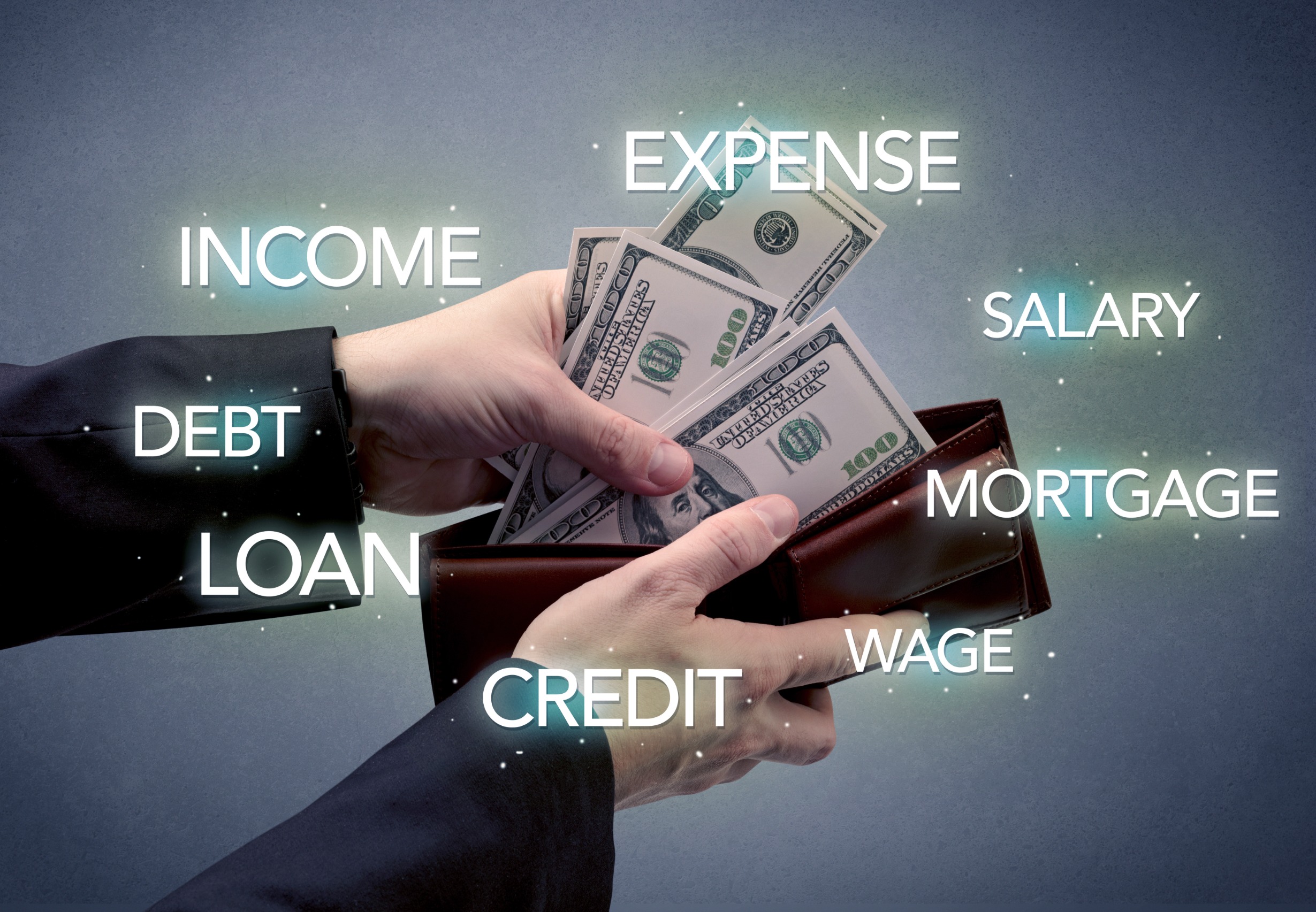
The Importance of Financial Literacy

Gen Z values financial education and is more likely to seek information about finances early in life. They use online resources to understand investing, taxes, and debt management. Baby Boomers can be inspired by Gen Z’s proactive approach to become more financially literate and make informed decisions about their money.

2. Adopting Subscription-Based Services

Adopting Subscription-Based Services

Gen Z is adept at utilizing subscription-based services for managing regular expenses, from entertainment to software and even groceries. Baby Boomers can learn from this trend to streamline their expenses and enjoy the convenience of automatic renewals and deliveries. This approach not only helps in budget management but also ensures that they are only paying for what they truly need and use, potentially reducing wasteful spending.

3. Embracing Mobile Payment Systems

Embracing Mobile Payment Systems

Gen Z is leading the way in adopting mobile payment systems like Apple Pay, Venmo, and Google Wallet, which offer convenience and reduce the need for carrying cash or physical credit cards. Baby Boomers can learn from Gen Z the benefits of using these platforms for everyday transactions, enhancing security and tracking spending more efficiently. This shift not only simplifies financial transactions but also integrates seamlessly with other financial management tools, promoting a streamlined approach to personal finance.

4. Flexible Earning Through the Gig Economy

Flexible Earning Through the Gig Economy

The gig economy has expanded significantly, and Gen Z is at the forefront of utilizing platforms like Uber, Airbnb, and freelance job sites to generate additional income. Baby Boomers can learn from Gen Z about leveraging these platforms to supplement retirement income or to fund other interests and hobbies. This flexibility allows for better control over work hours and income levels, catering to personal schedules and needs.

5. Investing in Cryptocurrency

Investing in Cryptocurrency

While Baby Boomers may be more cautious about new investment classes, Gen Z has been more open to investing in cryptocurrencies and other digital assets. They can offer insights into the risks and rewards of these newer financial instruments, providing a different perspective on diversification and the potential for returns.

6. Sustainability and Ethical Investing

Sustainability and Ethical Investing

Gen Z is particularly conscious of the impact of their money, showing a strong preference for sustainable and ethical investment opportunities. They can teach Baby Boomers how to invest in companies that are not only financially viable but also socially responsible, creating opportunities to align investments with personal values.

7. Minimalism and Financial Independence

Minimalism and Financial Independence

Many in Gen Z advocate for minimalism in their lifestyles to achieve financial independence early, emphasizing the value of living with less to save more. They prioritize experiences over possessions, which can be a valuable lesson for Baby Boomers, especially those looking to downsize or simplify their lives in retirement. This shift towards minimalism not only helps reduce expenses but also focuses on what truly brings joy and fulfillment, encouraging a more intentional approach to spending and saving.

8. The Use of Social Media for Financial Advice

The Use of Social Media for Financial Advice

Gen Z often turns to social media platforms to gather financial advice and learn about personal finance and investing from peers and experts alike. Baby Boomers can benefit from understanding how platforms like YouTube, Instagram, or TikTok can be sources of financial education and community support.

9. Prioritizing Mental Health Over High Earnings
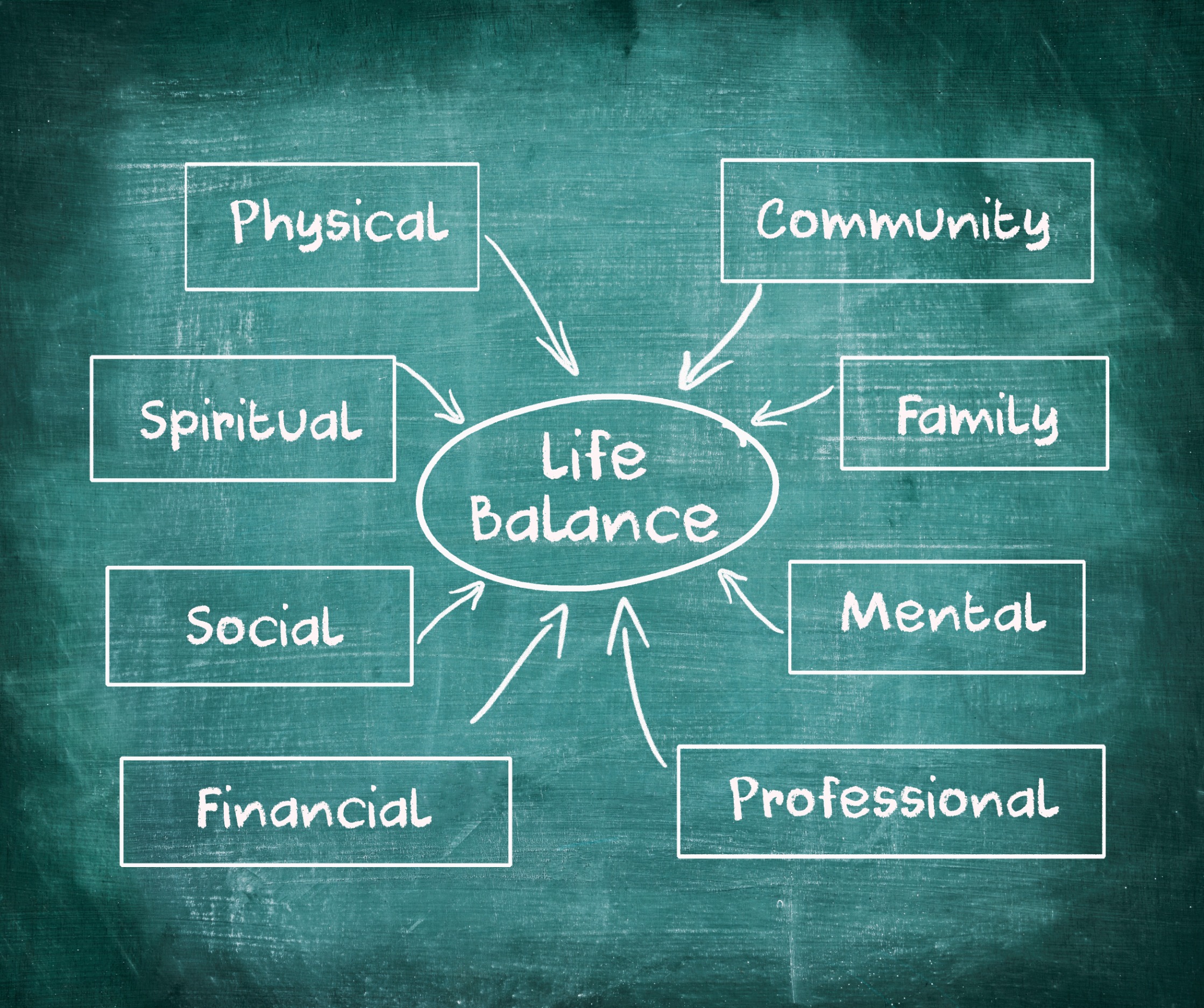
Gen Z places significant importance on mental health, often valuing it over high salaries. Essentially, work-life balance is always part of the equation with Gen Z, ensuring they don’t sacrifice too much in the name of money. This perspective can help Baby Boomers reassess their own work commitments and financial goals, emphasizing well-being alongside financial security.

10. Tech-Savvy Budgeting

Tech-Savvy Budgeting

Gen Z uses apps and software for budgeting that automate much of the process and provide insights into spending patterns. Baby Boomers can learn to use these tools to keep their finances in check and plan for future expenses more effectively. Plus, this strategy can help Baby Boomers reduce the amount of time they spend monitoring their financial situation, freeing up valuable space in their schedules.

11. The Acceptance of Non-Traditional Career Paths

The Acceptance of Non-Traditional Career Paths

Gen Z is more likely to pursue non-traditional career paths that align with their passions and interests, often incorporating multiple income streams. This approach can inspire Baby Boomers to explore different avenues for income in retirement, whether it’s turning a hobby into a business or monetizing a skillset.

Baby Boomers Can Learn from Gen Z’s Financial Strategies!

Baby Boomers Can Learn from Gen Z’s Financial Strategies!

By embracing some of Gen Z’s innovative financial strategies and perspectives, Baby Boomers can enhance their financial management and potentially find new ways to enjoy their wealth. The exchange of knowledge across generations can lead to a fuller, more adaptive approach to money that benefits everyone involved.

Read More:

Boomers Can Beat Being Broke by Using These 10 Out of The Box Ideas

8 Ways Life Was Tougher for Boomers Than Millennials and Gen Z

Catherine Reed
Catherine Reed

Catherine is a tech-savvy writer who has focused on the personal finance space for more than eight years. She has a Bachelor’s in Information Technology and enjoys showcasing how tech can simplify everyday personal finance tasks like budgeting, spending tracking, and planning for the future. Additionally, she’s explored the ins and outs of the world of side hustles and loves to share what she’s learned along the way. When she’s not working, you can find her relaxing at home in the Pacific Northwest with her two cats or enjoying a cup of coffee at her neighborhood cafe.


Filed Under: Gen Z Tagged With: baby boomers, financial insights, financial literacy, gen z, growth, learning, Personal Finance, technology

10 Things the Middle Class Can’t Afford Anymore

May 15, 2024 By Catherine Reed Leave a Comment

10 Things the Middle Class Can't Afford Anymore

The economic landscape for the middle class in many countries has undergone significant shifts due to factors like inflation, stagnating wages, and changing societal norms. This has resulted in a reevaluation of what is considered affordable for the average middle-class family. Here, we explore ten items and experiences that have become increasingly out of reach.

1. Single-Family Homes in City Centers

Single-Family Homes in City Centers

Owning a home in the heart of the city has become a distant dream for many middle-class families. Urban real estate prices have skyrocketed, driven by high demand and limited supply. The dream of a backyard and a white picket fence now often requires a move to the suburbs or accepting a smaller living space, such as a condominium or an apartment, as urban single-family homes drift out of financial reach.

2. College Education Without Debt

College Education Without Debt

Higher education costs have risen dramatically, far outpacing the inflation rate and middle-class wage growth. As a result, attending college without incurring significant debt is becoming increasingly unrealistic. This financial burden often forces students and their families to rely on loans, which can have long-lasting impacts on financial stability and wealth accumulation.

3. Comprehensive Health Insurance

Comprehensive Health Insurance

Healthcare costs have become one of the biggest financial concerns for middle-class families. Comprehensive health insurance plans that cover a wide range of medical needs without high out-of-pocket costs are becoming rarer and more expensive, pushing more people to opt for high-deductible plans that only provide basic coverage.

4. Retirement Savings

Retirement Savings

Saving for retirement is a growing challenge as many middle-class individuals live paycheck to paycheck. Factors such as higher living costs, the need to support aging parents or adult children, and the lack of employer-sponsored pension plans contribute to the difficulty in setting aside adequate funds for the golden years.

5. Leisure Travel

Leisure Travel

Leisure travel is becoming a luxury that not all middle-class families can afford. The costs associated with vacations, including flights, accommodations, and activities, have increased, making it harder to budget for travel. This shift has led many to seek alternatives like staycations or short, local trips instead of more extended or exotic vacations.

6. New Vehicles

New Vehicles

The average price of new vehicles has increased substantially, making it difficult for middle-class buyers to purchase them without taking on burdensome financing arrangements. Many families now opt to keep their older vehicles longer or are turning to the used market, where prices have also been rising but remain more manageable compared to new cars.

7. Private School Education

Private School Education

Once a staple for the aspiring middle class, private education has become prohibitively expensive. With tuition fees climbing each year, many families are forced to rely on public schooling, which varies widely in quality depending on geographic location, further exacerbating educational inequalities. The escalating costs have made private schools an option only for the upper echelons, pushing many families to seek alternative educational opportunities or supplemental programs to enhance public education offerings.

8. Investment Properties

Investment Properties

Buying a second home as an investment or for rental income is increasingly unrealistic for the middle class. High property prices, tighter credit conditions, and the substantial initial investment required make this wealth-building strategy less accessible than in previous decades. Additionally, the ongoing property management and maintenance expenses can deter middle-class families from investing in real estate as a secondary income source.

9. Long-Term Care Insurance

Long-Term Care Insurance

As life expectancy increases, so does the potential need for long-term care, which can be incredibly costly. Long-term care insurance, which can help cover these costs, has become increasingly expensive and out of reach for many in the middle class, leaving them vulnerable to future financial strain.

10. Disposable Income for Luxuries

Disposable Income for Luxuries

With the rising cost of living, disposable income has shrunk, limiting non-essential purchases such as high-end electronics, jewelry, and dining out. Middle-class families focus more on saving and budgeting for necessities, reducing spending on items once considered routine indulgences.

The Middle Class Can’t Afford What It Used To

The Middle Class Can’t Afford What It Used To

The shifting economic conditions that make these ten items less affordable reflect broader challenges facing the middle class. As the cost of living continues to rise without a corresponding wage increase, the middle class has to adjust expectations and reconsider what it means to live a “middle-class lifestyle.” Addressing these challenges will require not just personal financial management but also broad-based policy solutions to restore affordability and economic security.

Read More:

11 Fruits and Vegetables You Can Still Afford Even If You’re Broke

How to Find an Affordable Apartment in a Big City

Catherine Reed
Catherine Reed

Catherine is a tech-savvy writer who has focused on the personal finance space for more than eight years. She has a Bachelor’s in Information Technology and enjoys showcasing how tech can simplify everyday personal finance tasks like budgeting, spending tracking, and planning for the future. Additionally, she’s explored the ins and outs of the world of side hustles and loves to share what she’s learned along the way. When she’s not working, you can find her relaxing at home in the Pacific Northwest with her two cats or enjoying a cup of coffee at her neighborhood cafe.

Filed Under: Lifestyle Tagged With: budget, can't afford, cost of living, expenses, inflation, middle class, Personal Finance, spending

15 Hard Truths About Money That Will Challenge Your Perspective on Being Broke

April 30, 2024 By Catherine Reed Leave a Comment

15 Hard Truths About Money That Will Challenge Your Perspective on Being Broke

Money, an essential yet complex part of life, holds power over many aspects of our daily existence. Understanding the dynamics of financial health is crucial, especially for those grappling with the challenges of being broke. Here, we explore 15 hard truths about money that not only highlight the stark realities of financial hardship but also offer insights to reshape your approach toward achieving financial stability.

1. Being Broke is Often a Symptom, Not the Disease

Being Broke is Often a Symptom, Not the Disease

While it’s easy to see a lack of money as the primary issue, being broke is frequently a symptom of broader problems such as lack of financial education, poor spending habits, or systemic barriers. Addressing these underlying issues can be the key to long-term financial health. Educating yourself about personal finance and seeking advice from financial experts can offer pathways out of financial difficulty.

2. Emergency Funds are Not Optional

Emergency Funds are Not Optional

One of the hard truths about money is the critical importance of an emergency fund. Life is unpredictable, and without a financial buffer, unexpected expenses can devastate your budget. Financial advisors typically recommend saving at least three to six months’ worth of expenses, although even a small emergency fund is better than none. Even in tiny increments, starting to save can help build this crucial safety net.

3. High-interest debt is a Silent Wealth Killer

High-Interest Debt is a Silent Wealth Killer

Credit card debt, payday loans, and other high-interest debt can keep you trapped in a cycle of being broke. The longer you carry this kind of debt, the more money you lose to interest payments, which can stifle your ability to save and invest. Prioritizing the repayment of high-interest debts is essential for regaining financial control.

4. Financial Literacy is Empowering

Financial Literacy is Empowering

Lack of financial literacy is a significant handicap when managing money. Understanding basic personal finance concepts such as budgeting, investing, and the power of compound interest can transform your financial outlook. Many communities offer free resources to improve financial knowledge, which can equip you with the tools to make more informed decisions.

5. Money Habits Reflect Life Priorities

Money Habits Reflect Life Priorities

Your spending habits often reflect what you value most. By examining where your money goes each month, you can gain insights into your priorities and potentially uncover areas where your spending does not align with your long-term goals. This realization can be a tough pill to swallow, but it’s necessary for reshaping your financial future.

6. Being Broke Can Sometimes Be a Choice

Being Broke Can Sometimes Be a Choice

In some cases, being broke results from repeated poor financial decisions rather than external circumstances. Recognizing and accepting responsibility for these choices can be challenging but is often the first step towards change. Identifying and working diligently to change destructive financial habits can significantly impact your financial health.

7. Wealth is Built Slowly

Wealth is Built Slowly

Overnight financial success is more myth than reality. Building wealth typically requires patience, perseverance, and long-term planning. This truth can be hard to accept in a culture that often celebrates quick gains and overnight successes. However, understanding this can set more realistic expectations and foster healthier financial practices.

8. You Cannot Out-Earn Poor Spending Habits

You Cannot Out-Earn Poor Spending Habits

No matter how much money you make, poor spending habits can keep you in a state of being broke. Budgeting isn’t just for those with limited incomes; it’s essential for everyone. Living within your means and spending less than you earn is foundational to financial freedom.

9. Financial Stress Affects Your Health

Financial Stress Affects Your Health

The stress of being broke can significantly affect your mental and physical health. Anxiety, depression, and stress-related illnesses are more common in individuals facing financial strain. Recognizing this can motivate you to take financial health more seriously, directly impacting your overall well-being.

10. Social Comparisons Can Skew Your Financial Perspective

Social Comparisons Can Skew Your Financial Perspective

Comparing your financial situation to where others stand can lead to misguided perceptions and unhealthy financial decisions. Focusing on your financial goals and reality is essential rather than trying to match or outpace your peers. This truth is crucial in an age dominated by social media, where the highlights of others’ lives may not accurately reflect their financial reality.

11. Investing is Not Just for the Rich

Thinking that investment opportunities are only for the wealthy is a misconception that can keep you from growing your wealth. Today, numerous platforms allow people to start investing with small amounts of money. Educating yourself about these options and starting small can help demystify investing and make it a viable part of your financial strategy.

12. Financial Sacrifices Pay Off

Financial Sacrifices Pay Off

Short-term sacrifices for long-term gains are a fundamental truth in financial planning. This might mean living below your means or delaying gratification to save and invest. While challenging, these sacrifices can pave the way to a more secure financial future.

13. Money Won’t Solve All Your Problems

Money Won't Solve All Your Problems

It’s a common misconception that having more money will solve all problems. While money can alleviate many financial stresses, it’s not a panacea for life’s challenges. Understanding this can help maintain a balanced perspective on what money can and cannot do.

14. Financial Independence Requires Discipline

Financial Independence Requires Discipline

Achieving financial independence is a goal for many, but it requires significant discipline and dedication. This includes making tough decisions daily to prioritize your financial future over your immediate desires. Discipline in monetary matters often separates those who achieve financial independence from those who do not.

15. Your Net Worth is Not Your Self-Worth

Your Net Worth is Not Your Self-Worth

Finally, one of the most important hard truths about money is that your net worth does not define your value as a person. Being broke does not reflect your capabilities, worth, or potential. Maintaining this perspective is essential for mental and emotional health as you work towards financial stability.

Why These Hard Truths About Being Broke Matter

Why These Hard Truths About Being Broke Matter

Understanding these hard truths about money can profoundly change how you view financial health and being broke. By embracing these realities, you can take more controlled steps toward a stable financial future, making informed decisions that align with your long-term goals.

Read More:

9 of the Most Common Reasons People End Up Broke

10 Unexpected Benefits of Living on a Tight Budget: The Upsides of Being Broke

Catherine Reed
Catherine Reed

Catherine is a tech-savvy writer who has focused on the personal finance space for more than eight years. She has a Bachelor’s in Information Technology and enjoys showcasing how tech can simplify everyday personal finance tasks like budgeting, spending tracking, and planning for the future. Additionally, she’s explored the ins and outs of the world of side hustles and loves to share what she’s learned along the way. When she’s not working, you can find her relaxing at home in the Pacific Northwest with her two cats or enjoying a cup of coffee at her neighborhood cafe.

Filed Under: money management, ShareMe Tagged With: being broke, financial hardship, hard truths about money, money management, Personal Finance, reality check

  • « Previous Page
  • 1
  • …
  • 5
  • 6
  • 7
  • 8
  • 9
  • …
  • 19
  • Next Page »
  • Facebook
  • Pinterest
  • RSS
  • Twitter

Improve Your Credit Score

Money Blogs

  • Budget and the Bees
  • Celebrating Financial Freedom
  • Christian PF
  • Clever Dude
  • Dual Income No Kids
  • Everybody Loves Your Money
  • Financial Panther
  • Gajizmo.com
  • Grocery Coupon Guide
  • Lazy Man and Money
  • Make Money Your Way
  • Money Talks News
  • Personal Profitability
  • PF Blogs
  • Reach Financial Independence
  • Saving Advice
  • The Savvy Scot
  • Yes, I am Cheap

Categories

Disclaimer

Please note that Beating Broke has financial relationships with some of the merchants mentioned here. Beating Broke may be compensated if consumers choose to utilize the links located throughout the content on this site and generate sales for the said merchant.

Visit Our Advertisers

Need to change careers? Consider an Accounting Certificate Program from WTI.
  • Home
  • About
  • We Recommend
  • Contact
  • Our Editorial Commitment