Beating Broke

Personal Finance from the Broke Perspective

  • Home
  • About
  • We Recommend
  • Contact
  • Privacy Policy

Powered by Genesis

Good Money Habits: 10 Easy Ways to Get on Track

April 15, 2024 By Catherine Reed Leave a Comment

Good Money Habits 10 Easy Ways to Get on Track

In an era characterized by rapid technological advancements and economic uncertainties, cultivating good money habits has never been more crucial. The ever-changing financial landscape demands adaptability and foresight, making financial prudence not just advisable but essential for long-term stability. Here are ten straightforward strategies to fortify your financial position, ensuring you remain resilient in the face of both current and future economic trends.

1. Embrace Budgeting

Embrace Budgeting

At the heart of good money management lies the practice of budgeting. This fundamental habit extends beyond mere expenditure tracking; it’s about deeply understanding your financial inflows and outflows. With the digital revolution offering a plethora of budgeting tools and apps, managing your finances has become more accessible. Begin by breaking down your spending into categories and setting feasible limits for each, thus fostering a disciplined approach to money management.

2. Emergency Fund

Emergency Fund

Recent global events have underscored the critical importance of maintaining an emergency fund. Such a fund should ideally cover three to six months’ worth of living expenses, providing a financial cushion during unforeseen circumstances such as sudden unemployment or health crises. Establishing this safety net ensures that unexpected events don’t derail your financial stability, keeping you afloat without the need to incur debt.

3. Smart Debt Management
Smart Debt Management

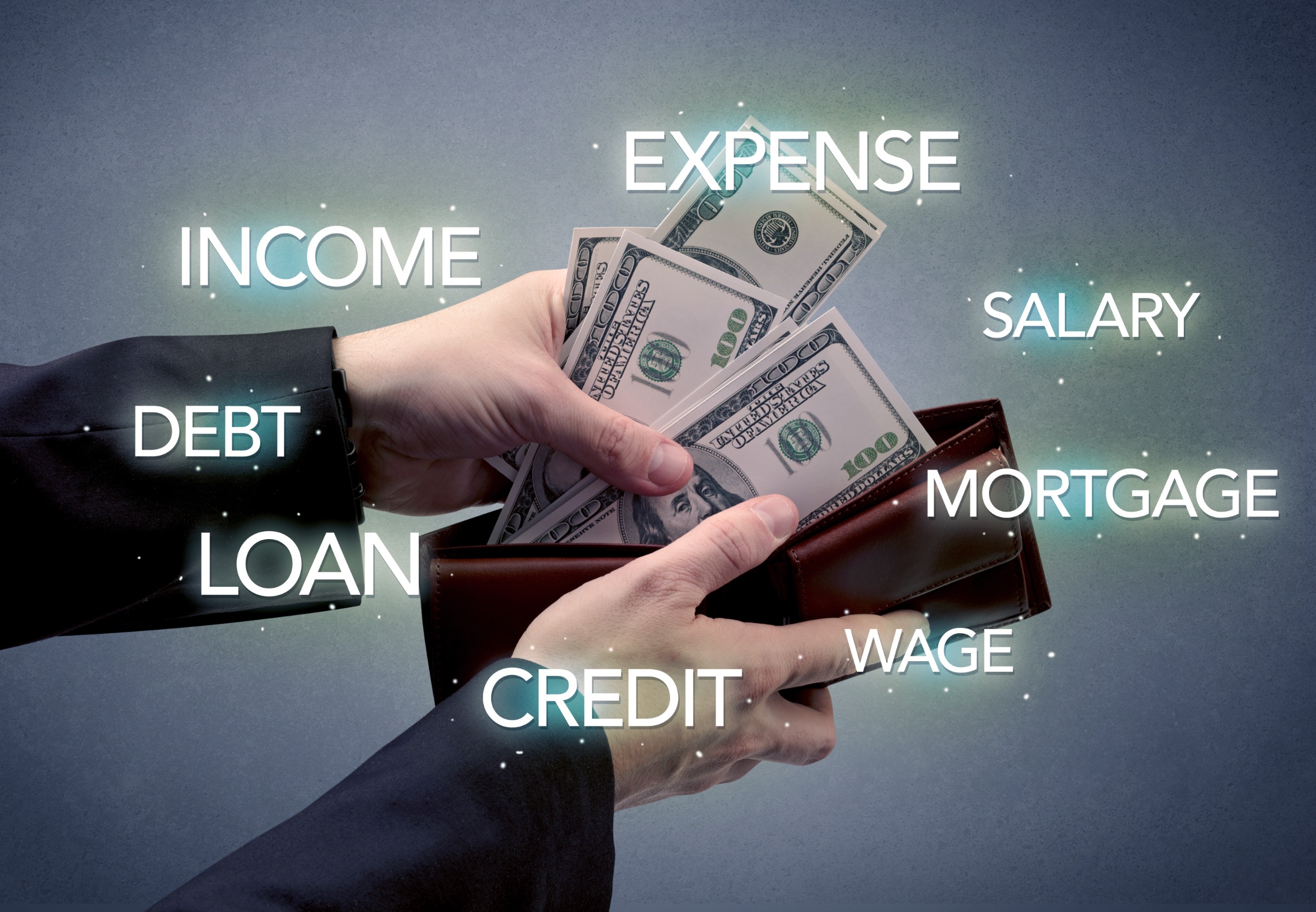
In the realm of personal finance, strategic debt management is vital. While certain debts can be considered investments in your future, such as student loans or mortgages, others, particularly those with high interest rates like credit card debts, should be urgently tackled. Explore options such as debt consolidation or balance transfers to mitigate interest expenses. The goal is maintaining a balance where debt facilitates growth without impeding financial freedom.

4. Invest in Your Future
Invest in Your Future

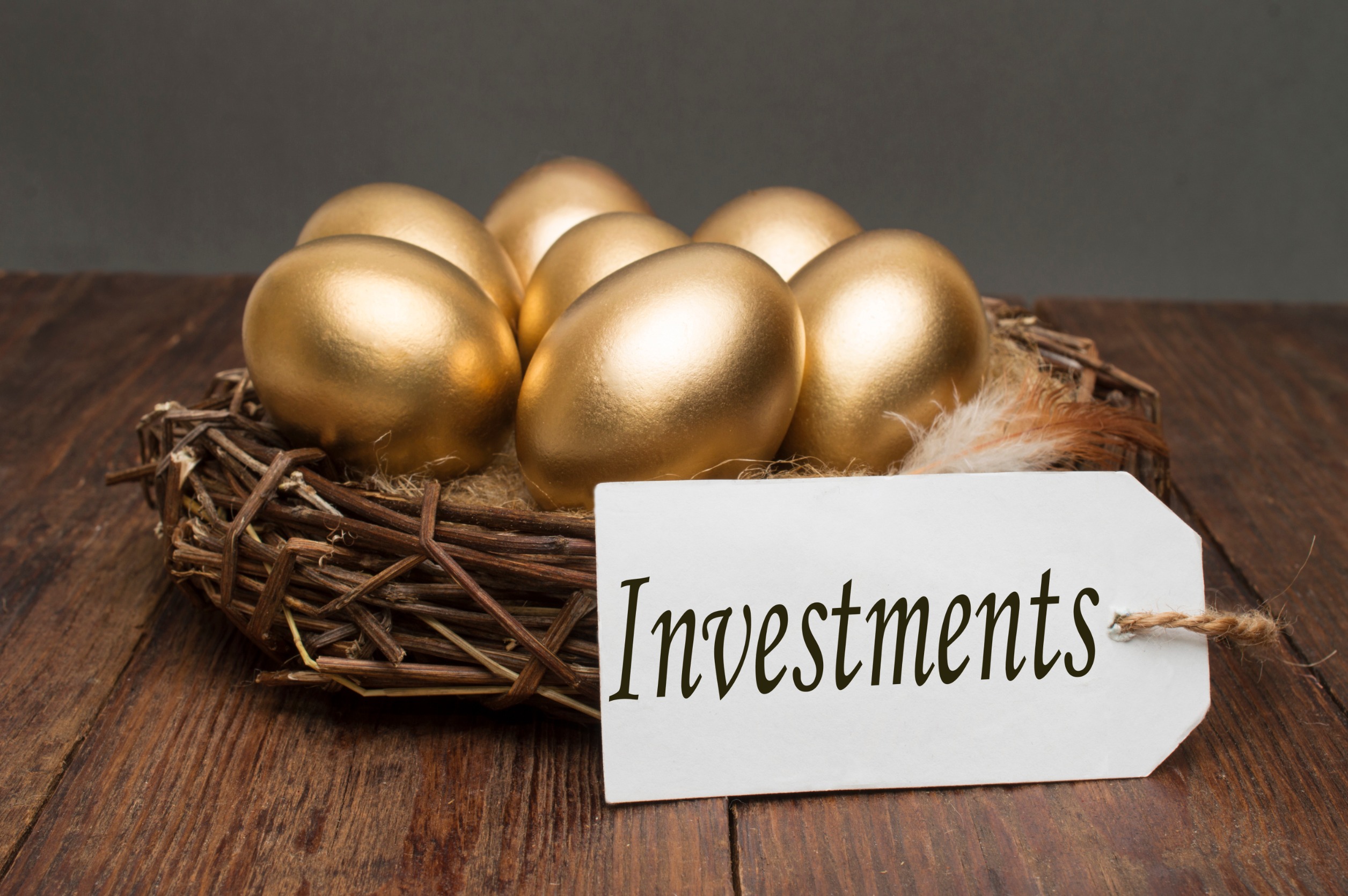
Investing is integral to a robust financial plan, and it’s accessible to everyday people, not just the affluent. The rise of micro-investment platforms has democratized investing, allowing individuals to begin with modest amounts. Adherence to principles of regularity and diversification in your investment endeavors is vital. Focus on long-term vehicles like retirement accounts, which offer the dual benefits of compounded growth and potential tax advantages.

5. Cultivate Multiple Income Streams

Cultivate Multiple Income Streams

The gig economy has illuminated the risks associated with depending on a single source of income. Developing alternative income streams, whether through side projects, freelance work, or investments, enhances financial security and independence. This income diversity not only augments your earnings but also provides a safeguard against the volatility of employment markets.

6. Automate Your Finances

Automate Your Finances

Leveraging automation can significantly bolster your financial discipline. By setting up automatic transfers to savings or investment accounts, you ensure consistent growth in your financial reserves without the need for constant oversight. Similarly, automating bill payments can help circumvent late fees, safeguarding your credit rating.

7. Strategic Spending
Strategic Spending

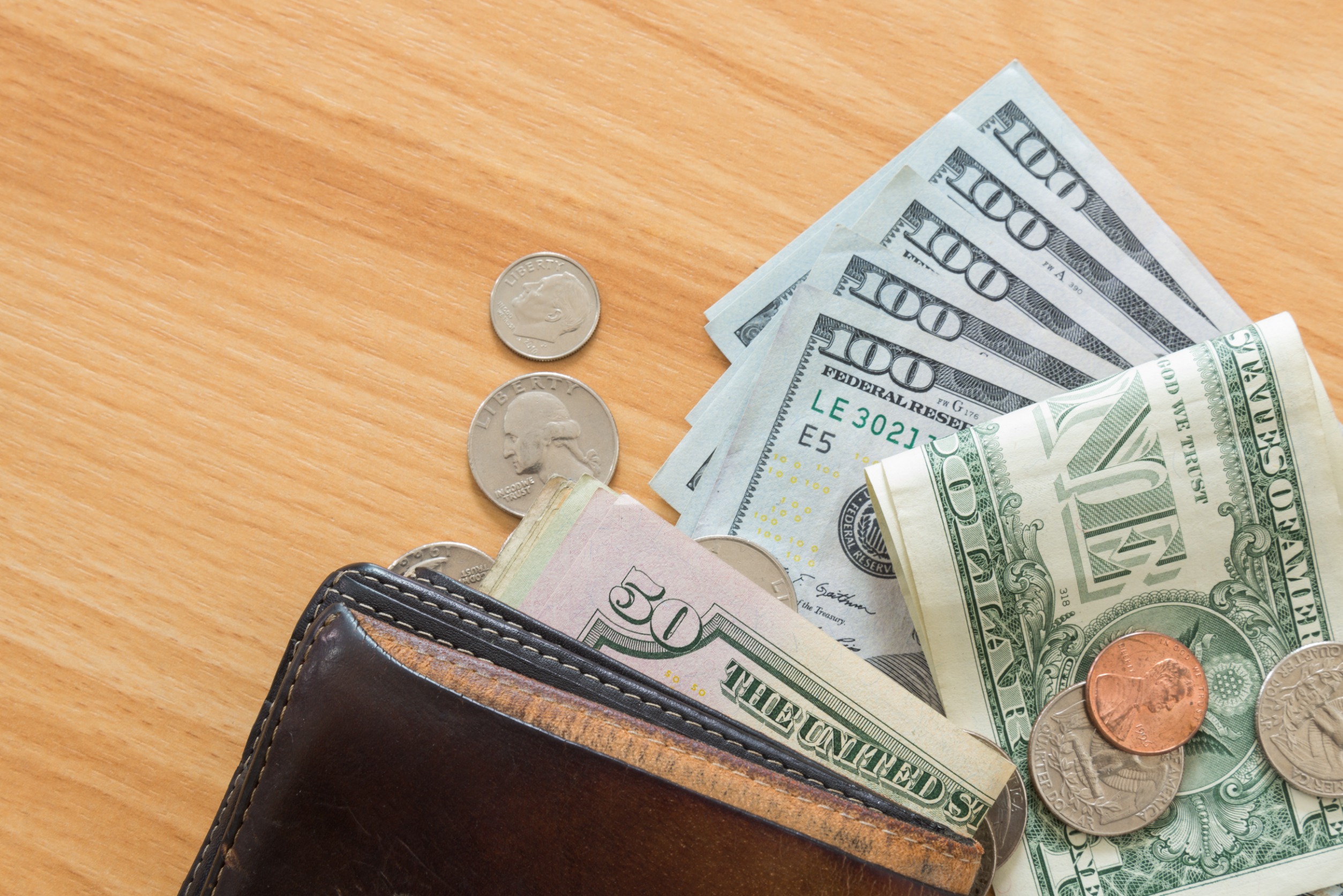
A transformative approach to spending involves adopting a strategy, shifting away from impulsive purchases to intentional spending that aligns with your values. Each spending decision should be assessed to foster a more fulfilling relationship with money where discretionary funds support joy instead of wanton consumption.

8. Regular Financial Check-Ups

Regular Financial Check-Ups

Analogous to physical health, your financial well-being benefits from regular examinations. Establish a routine, be it monthly or quarterly, to assess your financial health. This practice not only aids in adjusting your budget to better reflect your financial goals but also provides an opportunity to celebrate milestones and recalibrate strategies as necessary.

9. Monitor Your Credit Report
Monitor Your Credit Report

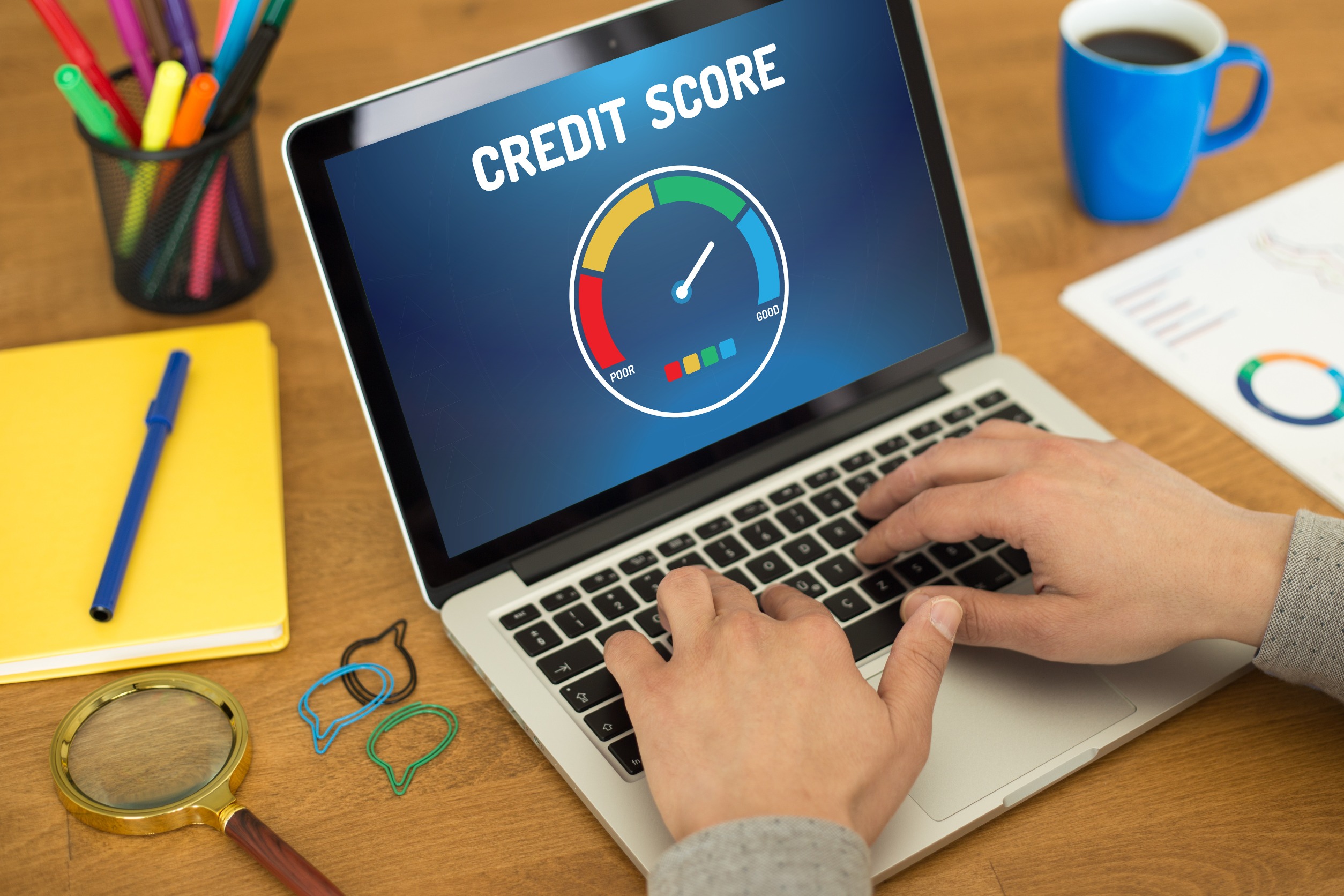
Monitoring your credit score regularly allows you to understand your financial standing and make informed decisions about credit and loans. It helps in identifying any inaccuracies or fraudulent activities early on, safeguarding your financial health. Plus, a good credit score can unlock better interest rates and terms for loans and credit, saving you money in the long run.

10. Continuous Learning
Continuous Learning

A foundational understanding of personal finance is invaluable, but adopting a mindset of continuous learning is vital to ongoing financial success. Explore new books, attend intriguing seminars, or take personal finance classes to learn new techniques and strategies. That way, you’ll have new tools to help you confidently navigate financial challenges.

Good Money Habits Put You on the Path Toward Financial Success!

Good Money Habits Put You on the Path Toward Financial Success

Good money habits transcend mere savings; they encapsulate a holistic approach to financial wellness, characterized by stability, security, and autonomy. By integrating these ten strategies into your lifestyle, you can adeptly navigate the shifting economic currents and secure your financial future. Remember, building a resilient financial foundation is a gradual process, so start with small, consistent steps and see your financial health flourish over time.

Read More:

6 Habits of Highly Effective Entrepreneurs

Are You Teaching Your Kids to Follow Your Financial Habits?

Catherine Reed
Catherine Reed

Catherine is a tech-savvy writer who has focused on the personal finance space for more than eight years. She has a Bachelor’s in Information Technology and enjoys showcasing how tech can simplify everyday personal finance tasks like budgeting, spending tracking, and planning for the future. Additionally, she’s explored the ins and outs of the world of side hustles and loves to share what she’s learned along the way. When she’s not working, you can find her relaxing at home in the Pacific Northwest with her two cats or enjoying a cup of coffee at her neighborhood cafe.

Filed Under: personal finance, ShareMe Tagged With: financial habits, good money habits, money management, Personal Finance, smart choices, smart money management

13 Things You Should Quit Using at Home If You Want to Live Past 50

March 27, 2024 By Catherine Reed Leave a Comment

Things You Should Quit Using at Home If You Want to Live Past 50

In our quest for convenience and efficiency at home, we often overlook the long-term health implications of everyday items. From chemical-laden cleaning products to radiation-emitting gadgets, the modern household is teeming with potential hazards that could compromise our health and longevity. Here, we uncover 13 things you might want to reconsider using at home if you’re aiming for a healthy lifestyle and live past 50.

1. Non-Stick Cookware

Non-Stick Cookware

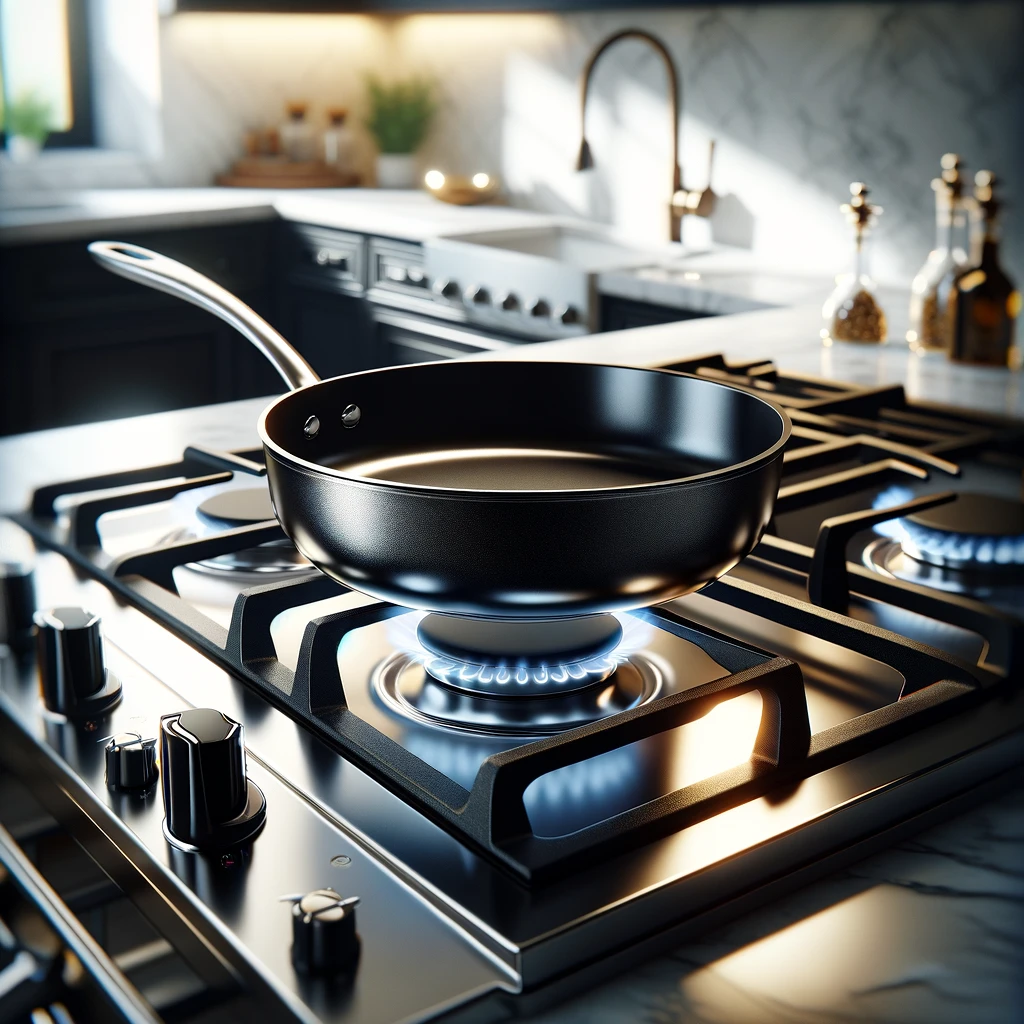
Non-stick pans and pots are kitchen staples, prized for their convenience and ease of use. However, when heated to high temperatures, non-stick coatings can release toxic chemicals into the air, posing health risks. Prolonged exposure to these fumes can lead to a condition known as polymer fume fever, with symptoms mirroring those of the flu. Consider switching to safer alternatives like stainless steel, cast iron, or ceramic cookware to minimize health risks while cooking.

2. Plastic Food Containers

Plastic Food Containers

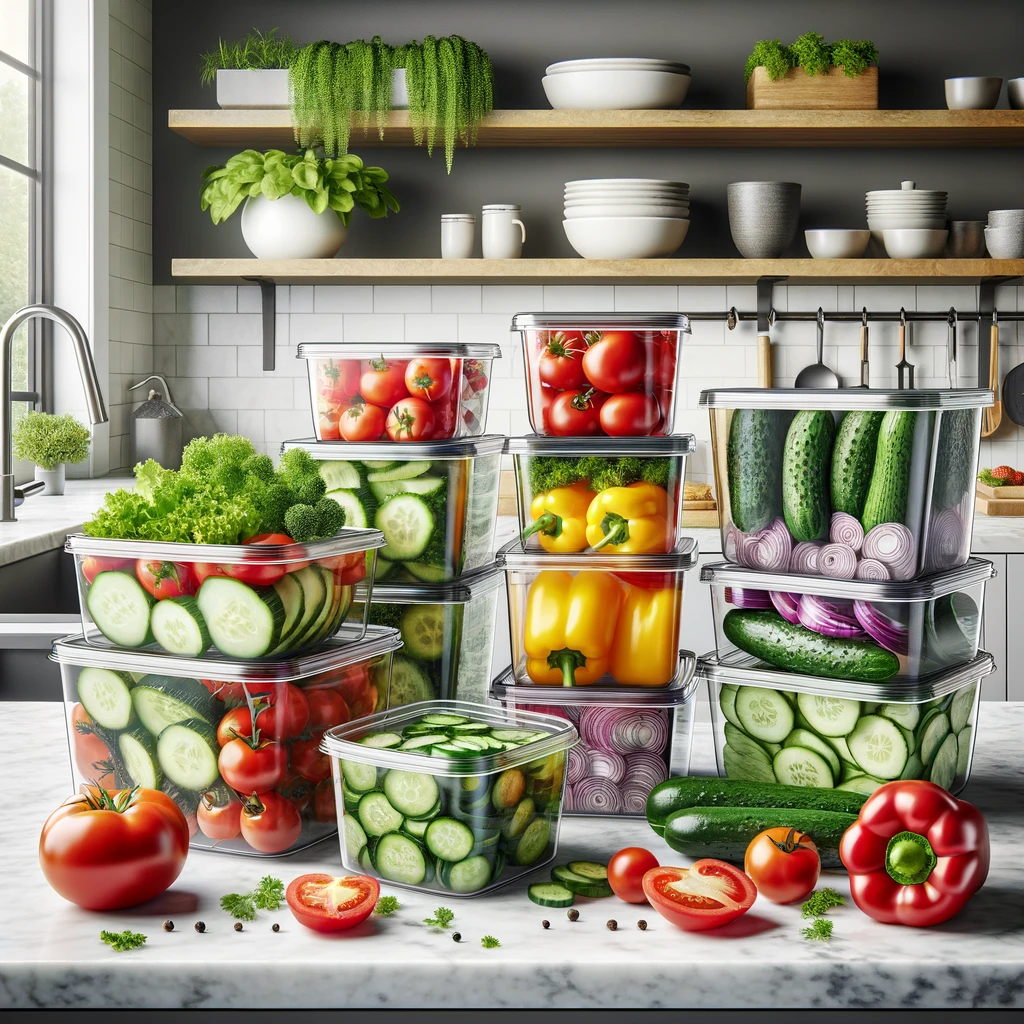
Plastic containers are ubiquitous in kitchens worldwide, favored for their lightweight and versatile nature. Yet, many plastics contain bisphenol A (BPA) and phthalates, chemicals that can leach into food and beverages, especially when heated. These compounds have been linked to various health issues, including hormonal imbalances and increased cancer risk. Opting for glass or stainless steel storage solutions can significantly reduce your exposure to these harmful chemicals.

3. Air Fresheners and Synthetic Fragrances

Air Fresheners and Synthetic Fragrances

While air fresheners and scented candles can make your home smell pleasant, they often contain volatile organic compounds (VOCs) and synthetic fragrances that can irritate the respiratory system and exacerbate allergies. Long-term exposure to these substances may contribute to more severe health problems, including neurological damage and cancer. Natural alternatives like essential oil diffusers or beeswax candles offer a safer way to keep your home smelling fresh.

4. Antiperspirants Containing Aluminum

Antiperspirants Containing Aluminum

Many conventional antiperspirants contain aluminum compounds to prevent sweating. However, these compounds can be absorbed through the skin, potentially affecting estrogen levels and increasing the risk of breast cancer. Opt for natural deodorants free from aluminum and other harmful chemicals to reduce your risk.

5. Chemical Cleaning Products

Chemical Cleaning Products

The convenience of chemical cleaning products is undeniable, but their impact on indoor air quality and personal health can be severe. Many of these products contain a cocktail of harsh chemicals that can cause skin irritations, respiratory issues, and long-term health effects. Switching to natural cleaning agents like vinegar, baking soda, and lemon juice can provide a safe and effective alternative.

6. Teflon Kitchen Utensils

Teflon Kitchen Utensils

Similar to non-stick cookware, Teflon-coated kitchen utensils can release harmful chemicals when exposed to high heat. These chemicals can contaminate your food and pose health risks. Opting for utensils made from wood, silicone, or stainless steel can avoid this risk.

7. Lead-Based Paints

Lead-Based Paints

Homes built before the 1980s may still have walls coated with lead-based paint, which poses a significant health risk, especially to children. Lead exposure can affect brain development, leading to cognitive impairments and behavioral issues. If your home has lead-based paint, consider hiring a professional to safely remove it.

8. Synthetic Carpets

Synthetic Carpets

Many carpets are made from synthetic fibers that can emit VOCs, contributing to indoor air pollution. These emissions can trigger allergies, asthma, and other respiratory conditions. Opting for natural fiber rugs or hardwood flooring can improve indoor air quality and reduce health risks.

9. Pesticides and Herbicides

Pesticides and Herbicides

Using chemical pesticides and herbicides in your garden or on indoor plants can introduce harmful toxins into your home environment. These substances can be especially dangerous to children and pets. Organic gardening practices and natural pest control methods offer a safer alternative for maintaining your home’s green spaces.

10. Microwave Popcorn

Microwave Popcorn

Microwave popcorn bags are often lined with perfluorooctanoic acid (PFOA), a chemical linked to various health issues, including cancer. Opting for air-popped popcorn or popping kernels on the stove in a healthy oil can be a safer, healthier choice.

11. Flame Retardants in Furniture

Flame Retardants in Furniture

Many types of furniture are treated with flame-retardant chemicals to meet fire safety standards. However, these chemicals can accumulate in household dust and pose health risks when inhaled or ingested over time. Choosing furniture made with natural materials and without flame retardant treatments can reduce exposure to these harmful chemicals.

12. Mercury-Containing Thermostats

Mercury-Containing Thermostats

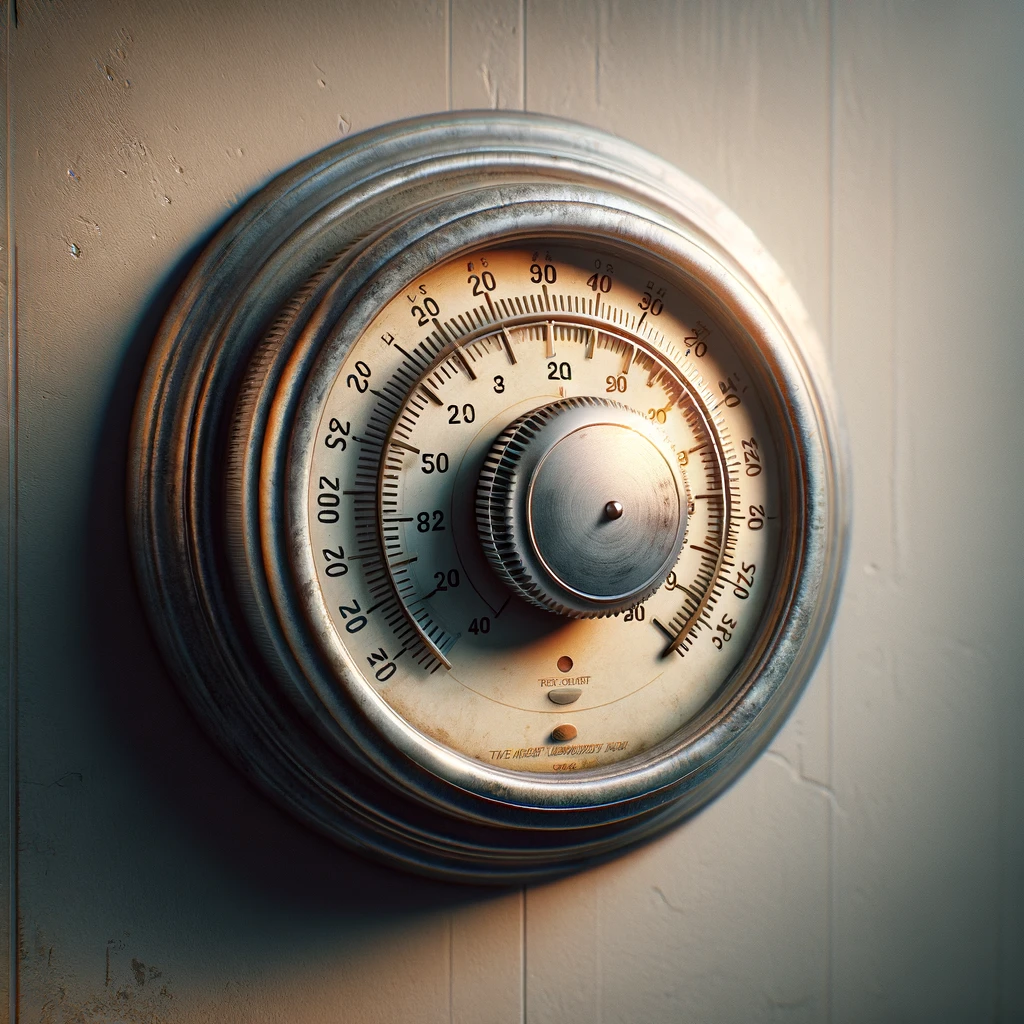
Older thermostats may contain mercury, a toxic substance that can be released if the thermostat is broken. Exposure to mercury can have serious health consequences, including neurological damage. Upgrading to a digital thermostat can eliminate this risk.

13. Disposable Plastic Water Bottles

Disposable Plastic Water Bottles

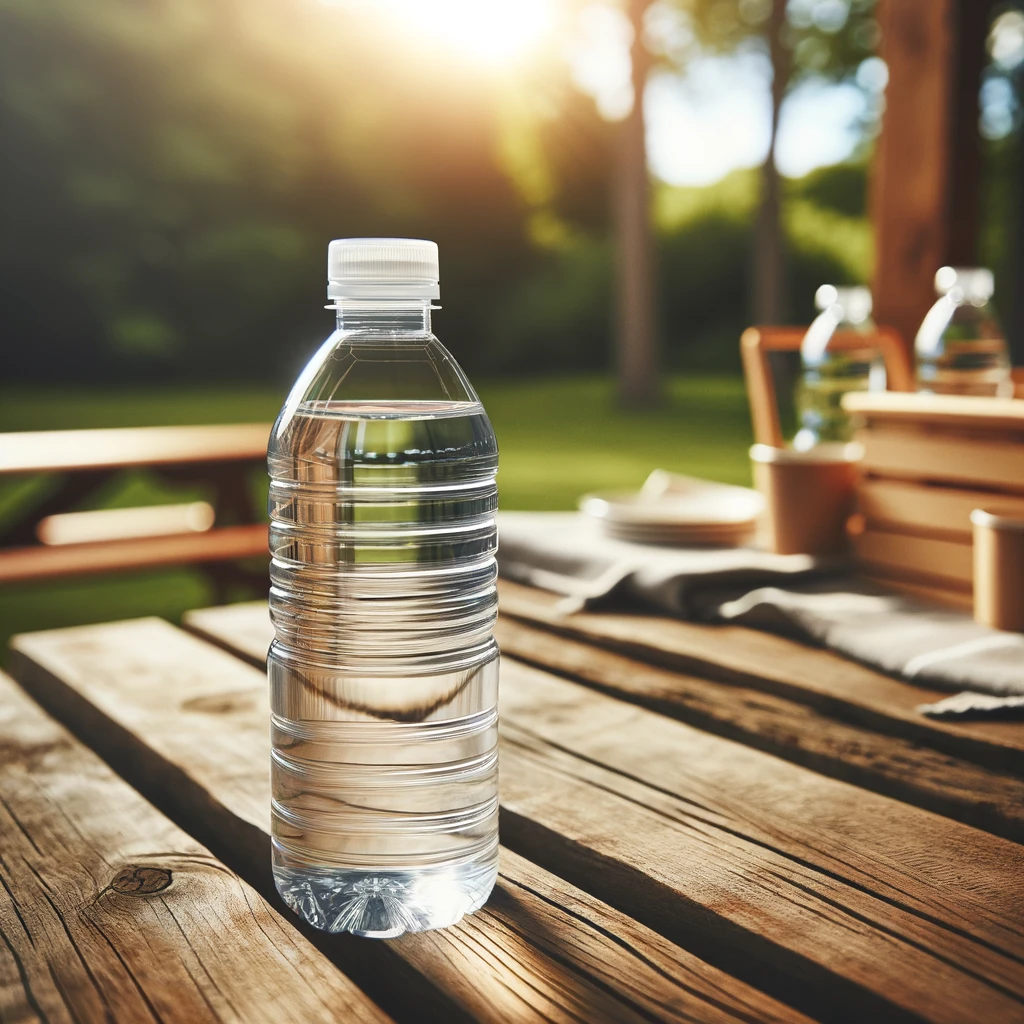
Disposable plastic water bottles are not only harmful to the environment but can also pose health risks due to the potential leaching of chemicals like BPA, especially when exposed to heat or sunlight. Frequent use of these bottles can contribute to increased exposure to these harmful substances, which have been linked to a variety of health problems, ranging from hormonal disruptions to increased risks of certain cancers. Investing in a reusable water bottle made from safe materials such as stainless steel or BPA-free plastic can significantly reduce your exposure to these chemicals and also benefit the environment by reducing plastic waste.

Making Healthy Choices So You Can Live Past 50

Making Healthy Choices So You Can Live Past 50

Making conscious choices about the items we use daily in our homes can have a profound impact on our long-term health and well-being. By opting for safer, more natural alternatives, we can minimize our exposure to potentially harmful substances and create a healthier living environment for ourselves and our families. It’s not only about finding a way to live past 50 but also about ensuring the quality of life as we age. Taking steps to eliminate or replace these thirteen items can be a great start towards a healthier, more sustainable lifestyle.

Read More:

How to Live a Healthy Lifestyle – on a Budget

5 Smart Tips to Staying Fit and Healthy While on Vacation

Catherine Reed
Catherine Reed

Catherine is a tech-savvy writer who has focused on the personal finance space for more than eight years. She has a Bachelor’s in Information Technology and enjoys showcasing how tech can simplify everyday personal finance tasks like budgeting, spending tracking, and planning for the future. Additionally, she’s explored the ins and outs of the world of side hustles and loves to share what she’s learned along the way. When she’s not working, you can find her relaxing at home in the Pacific Northwest with her two cats or enjoying a cup of coffee at her neighborhood cafe.
Filed Under: Health Tagged With: dangerous products, health, healthy living, household dangers, live past 50, longevity, smart choices, wellness

  • Facebook
  • Pinterest
  • RSS
  • Twitter

Improve Your Credit Score

Money Blogs

  • Celebrating Financial Freedom
  • Christian PF
  • Dual Income No Kids
  • Financial Panther
  • Gajizmo.com
  • Lazy Man and Money
  • Make Money Your Way
  • Money Talks News
  • My Personal Finance Journey
  • Personal Profitability
  • PF Blogs
  • Reach Financial Independence
  • So Over Debt
  • The Savvy Scot
  • Yes, I am Cheap

Categories

Disclaimer

Please note that Beating Broke has financial relationships with some of the merchants mentioned here. Beating Broke may be compensated if consumers choose to utilize the links located throughout the content on this site and generate sales for the said merchant.

Visit Our Advertisers

Need to change careers? Consider an Accounting Certificate Program from WTI.