Beating Broke

Personal Finance from the Broke Perspective

  • Home
  • About
  • We Recommend
  • Contact
  • Privacy Policy

Powered by Genesis

8 Tips to Avoid Wasting Money on Your Car Every Month

June 11, 2024 By Catherine Reed Leave a Comment

8 Tips to Avoid Wasting Money on Your Car Every Month

Maintaining a car can be expensive, but numerous strategies exist to avoid unnecessary expenses. Many car owners unknowingly spend more than they need to each month on their vehicles. By being proactive and mindful, you can significantly reduce these costs. Here are eight essential tips to help you avoid wasting money on your car every month.

1. Regular Maintenance Checks

Regular maintenance checks can save you a substantial amount of money in the long run. Simple tasks like checking tire pressure, oil levels, and brake conditions can prevent bigger, more expensive problems down the line. Keeping your car in optimal condition ensures better fuel efficiency and reduces the likelihood of breakdowns. Many drivers overlook these basic maintenance tasks, leading to higher repair bills. Schedule routine checks to avoid wasting money on unexpected repairs.

2. Use Quality Parts and Fluids

Investing in quality parts and fluids for your car can prevent frequent breakdowns and extend its lifespan. While cheaper options may seem cost-saving, they often lead to more significant issues and higher expenses over time. High-quality oil, filters, and other essential components ensure your car runs smoothly. Using inferior parts can cause damage to other systems in your vehicle, resulting in costly repairs. Avoid wasting money on repeated fixes by opting for reputable brands and products.

3. Drive Efficiently

Drive Efficiently

Efficient driving habits can drastically reduce fuel consumption and lower monthly expenses. Rapid acceleration and hard braking put extra strain on your vehicle, which elevates costs. Plus, excessive idling wastes fuel, potentially up to ½ gallon per hour. Smooth, steady driving not only improves fuel efficiency but also minimizes wear and tear on your car’s components. Plan your routes to avoid heavy traffic and use cruise control on highways to maintain a constant speed. These minor adjustments can significantly affect fuel costs, helping you avoid wasting money on excessive gas consumption.

4. Shop Around for Insurance

Car insurance can be a significant monthly expense, but shopping around for the best rates can lead to substantial savings. Different insurers offer varying rates based on your driving history, vehicle type, and other factors. Comparing quotes from multiple providers allows you to find the most affordable option. Consider bundling your car insurance with other policies, like home or renters insurance, to receive discounts. Regularly reviewing and adjusting your coverage can ensure you’re not wasting money on overpriced insurance premiums.

5. Avoid Unnecessary Upgrades

While installing the latest gadgets and accessories in your car might be tempting, these upgrades can add up quickly. Many of these enhancements offer little practical benefit and can lead to higher initial costs and maintenance expenses. Focus on necessary repairs and improvements that enhance your vehicle’s performance and safety. Unnecessary upgrades often depreciate and do not provide a good return on investment. Being mindful of your spending on car modifications can prevent you from wasting money on frivolous items.

6. Perform DIY Repairs When Possible

Perform DIY Repairs When Possible

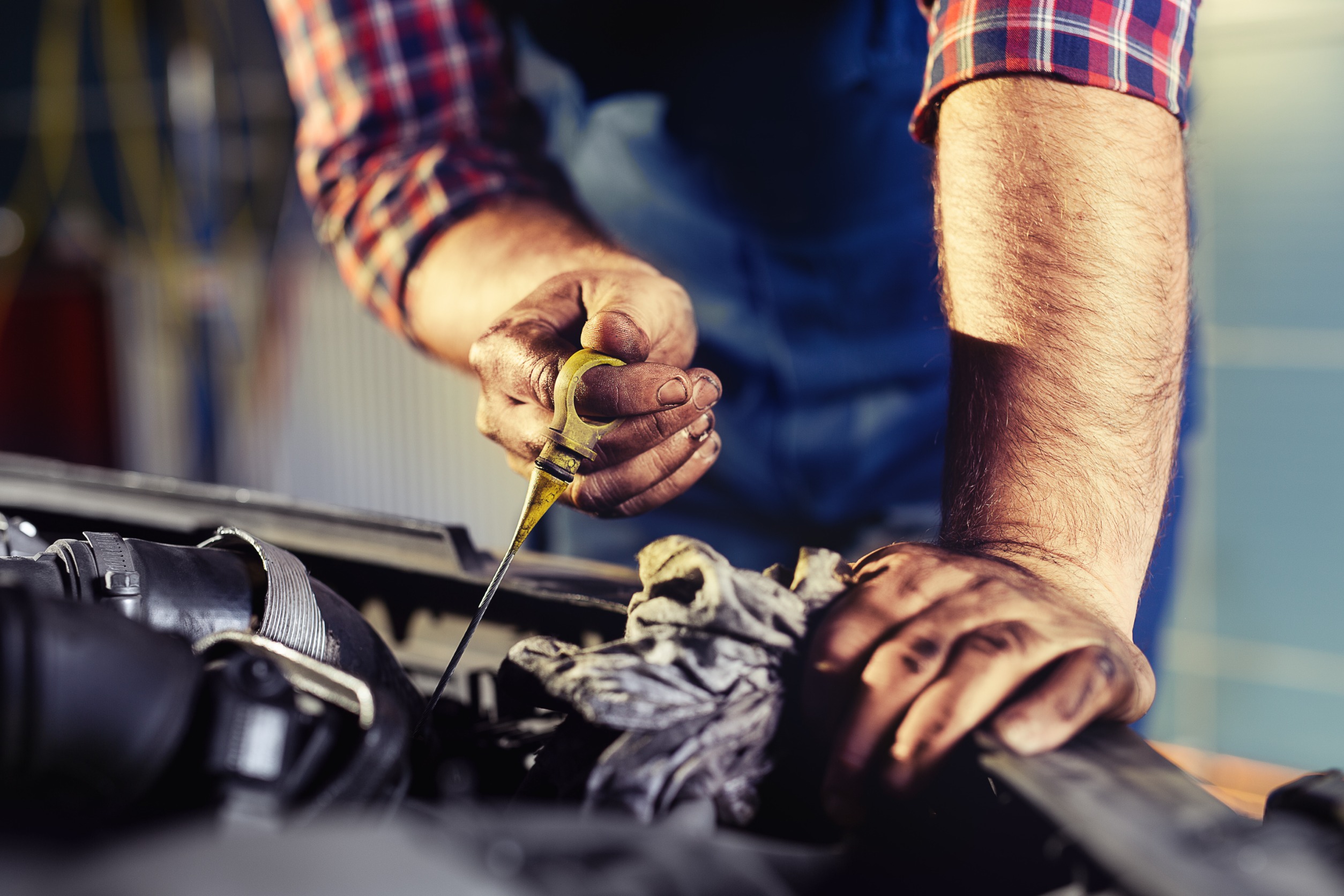
Learning to perform simple DIY repairs can save you a lot of money on labor costs at the mechanic. Tasks like changing the oil, replacing air filters, and swapping out wiper blades are straightforward and require minimal tools. Numerous online resources and tutorials can guide you through these processes. Not only does this save money, but it also gives you a better understanding of your vehicle’s mechanics. Taking on basic maintenance tasks yourself helps you avoid wasting money on professional services for minor issues.

7. Monitor Fuel Prices

Fuel prices vary significantly from station to station, and keeping an eye on these fluctuations can lead to considerable savings. Use apps and websites that track fuel prices in your area to find the cheapest options. Filling up at the right stations can save you a few dollars each time, which adds up over the month. Additionally, consider joining loyalty programs that offer discounts or cashback on fuel purchases. Being strategic about where and when you buy fuel can prevent you from wasting money on unnecessarily high prices.

8. Keep Your Car Clean

Regularly washing and waxing your car can protect its paint and prevent rust, preserving its resale value. A clean car not only looks better but also runs more efficiently, as dirt and grime can affect aerodynamics and engine performance. Interior cleaning prevents wear on seats and controls, maintaining the vehicle’s overall condition. Avoiding costly repairs due to neglect keeps your car in good shape and reduces depreciation. Investing a little time in cleaning can help you avoid wasting money on cosmetic and functional damage over time.

Take Advantage of These Tips to Avoid Wasting Money on Your Car!

Take Advantage of These Tips to Avoid Wasting Money on Your Car!

By following these tips, you can significantly reduce the amount of money you spend on your car each month. Regular maintenance, efficient driving, and being mindful of your spending on upgrades and insurance are key strategies. Embrace these practices to keep your car running smoothly without draining your wallet. Small changes in how you care for your vehicle can lead to substantial savings and a more enjoyable driving experience.

Read More:

18 Classic Car Features That Have Vanished in Modern Vehicles

Are Electric Cars Worse for the Planet?

Catherine Reed
Catherine Reed

Catherine is a tech-savvy writer who has focused on the personal finance space for more than eight years. She has a Bachelor’s in Information Technology and enjoys showcasing how tech can simplify everyday personal finance tasks like budgeting, spending tracking, and planning for the future. Additionally, she’s explored the ins and outs of the world of side hustles and loves to share what she’s learned along the way. When she’s not working, you can find her relaxing at home in the Pacific Northwest with her two cats or enjoying a cup of coffee at her neighborhood cafe.

Filed Under: waste of money Tagged With: budgeting, car costs, car ownership, cars, saving money, wasting money

How Much Should I Spend on a Car if I Make $100,000?

June 6, 2024 By Catherine Reed Leave a Comment

How Much Should I Spend on a Car if I Make $100,000

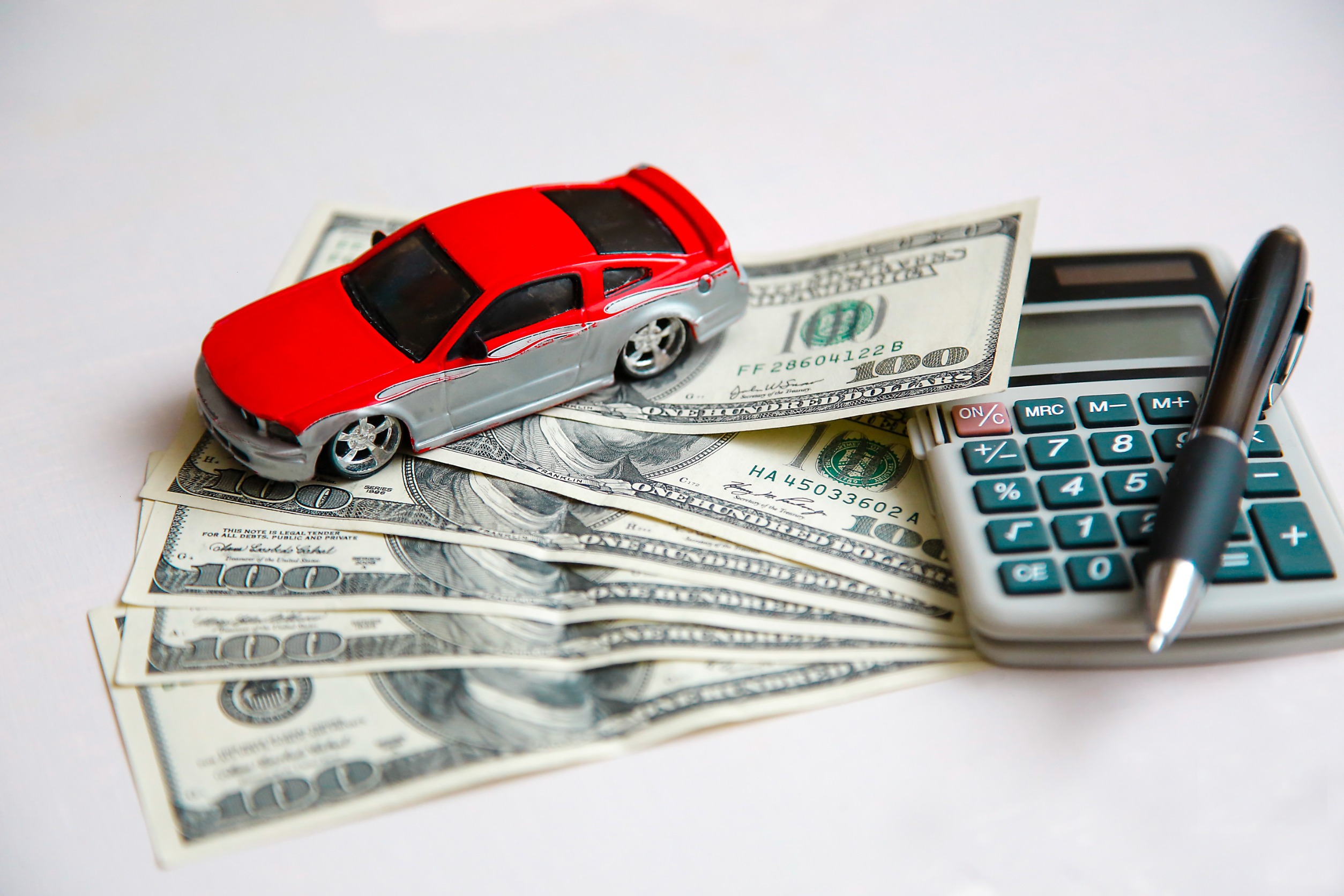
“How much should I spend on a car?” is a big question that’s not always easy to answer at first. Deciding how much to spend on a car can be challenging, especially when considering a $100,000 annual income. While it’s tempting to splurge on a luxurious vehicle, it’s essential to balance this desire with financial prudence. Factors such as debt, savings goals, and overall budget play significant roles in determining the appropriate expenditure on a car. Here are some guidelines to help you make an informed decision about how much to spend on a vehicle.

The 20/4/10 Rule

The 20/4/10 rule provides a practical guideline for car purchasing. According to this rule, you should aim to put down at least 20% of the car’s price as a down payment, finance the car for no more than four years, and keep your monthly car payment (including insurance) under 10% of your gross monthly income. For someone earning $100,000 annually, this means a maximum monthly car payment of approximately $833. This rule helps ensure that you don’t overextend yourself financially.

Considering Other Expenses

When answering, “How much should I spend on a car?” consider all related expenses, not just the sticker price. Monthly payments, insurance, maintenance, and fuel costs should all fit comfortably within your budget. On a $100,000 salary, it’s crucial to factor in these additional costs to avoid financial strain. A comprehensive budget will help you make a realistic assessment of what you can afford.

Financial Priorities and Goals

Financial Priorities and Goals

Evaluate your financial priorities and long-term goals before making a car purchase. Are you saving for a house, planning for retirement, or building an emergency fund? Allocating too much money to a car can hinder your ability to achieve these goals. Ensuring that your car budget aligns with your broader financial objectives is key to maintaining financial health.

Total Cost of Ownership

The total cost of ownership (TCO) includes more than just the purchase price of the car. Depreciation, fuel, insurance, maintenance, and repairs all contribute to the TCO. Research the TCO of different car models to understand their long-term costs. This approach helps you avoid unforeseen expenses and ensures you choose a car that fits your financial situation.

New vs. Used Cars

Deciding between a new or used car significantly impacts how much you should spend. New vehicles depreciate rapidly, losing a significant portion of their value within the first few years. A used car, particularly one that is two to three years old, can offer better value and lower depreciation rates. Considering a used vehicle can help you get more for your money while adhering to your budget.

Leasing vs. Buying

Leasing a car might be an attractive option if you prefer driving newer models and want lower monthly payments. However, leasing comes with mileage limits and potential fees for excess wear and tear. Buying a car, on the other hand, provides ownership and can be more cost-effective in the long run. Evaluate the pros and cons of leasing versus buying to determine which option best suits your financial situation.

Emergency Fund Considerations

Emergency Fund Considerations

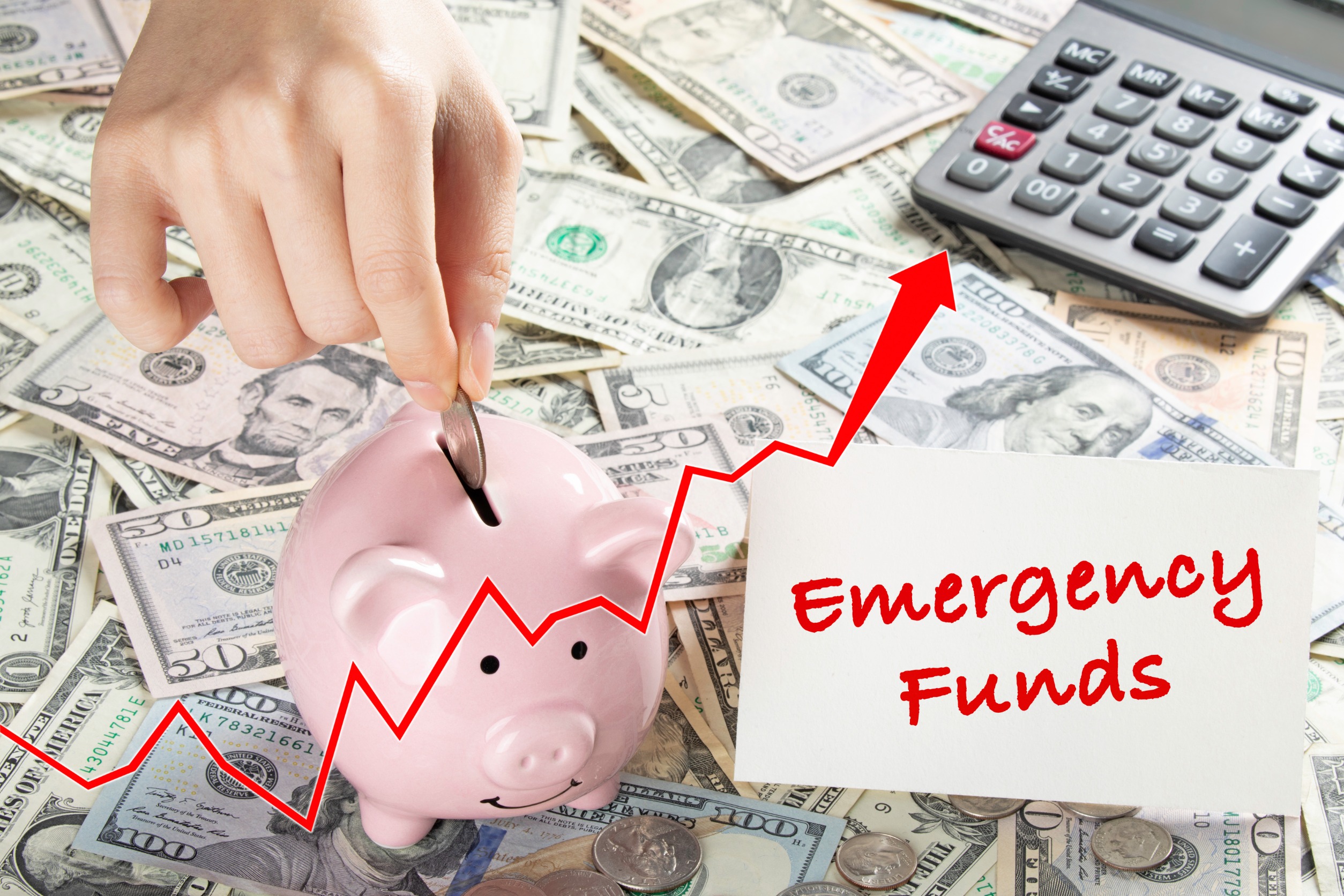
While answering the question, “How much should I spend on a car?” ensure you have sufficient emergency funds before making the purchase. Financial advisors typically recommend having three to six months’ worth of living expenses saved. This fund provides a safety net for unexpected expenses or income loss. Prioritizing your emergency fund can prevent financial stress in the event of unforeseen circumstances.

Avoiding Overextension

It’s easy to get carried away with the allure of a high-end vehicle, but it’s crucial to avoid overextension. Spending too much on a car can lead to financial stress and limit your ability to enjoy other aspects of life. Aim to strike a balance between a vehicle that meets your needs and one that allows you to maintain a comfortable lifestyle. Staying within your means is essential for long-term financial stability.

Resale Value

Consider the resale value of the car you’re interested in. Some vehicles retain their value better than others, which can significantly impact your financial position when it’s time to sell or trade in. Research the resale values of different models to make a more informed decision. Choosing a car with a high resale value can provide better long-term financial outcomes.

Insurance Costs

Insurance premiums vary significantly based on the car’s make, model, and age. Luxury or high-performance vehicles often come with higher insurance costs. Obtain insurance quotes for the cars you’re considering to ensure the premiums fit within your budget. This step helps you avoid surprises and ensures you can afford the total cost of ownership.

Fuel Efficiency

Fuel Efficiency

Fuel efficiency is another critical factor to consider when determining how much to spend on a car. Cars with better fuel economy can save you significant money on gas over time. Evaluate the fuel efficiency ratings of different models to find a balance between performance and cost savings. Opting for a fuel-efficient vehicle can reduce your overall transportation expenses.

Personal Preferences and Needs

Finally, consider your personal preferences and needs when deciding how much to spend on a car. Do you prioritize luxury features, or are practicality and reliability more important? Assessing your driving habits, lifestyle, and priorities will help you choose a car that suits you without overspending. Making a thoughtful decision based on your unique circumstances will lead to greater satisfaction with your purchase.

You Can Figure Out, “How Much Should I Spend on a Car if I Make $100,000?”

When determining how much to spend on a car with a $100,000 income, consider these guidelines and factors to make a well-informed decision. Balancing your desire for a new vehicle with your financial responsibilities and goals ensures that you make a purchase that enhances your life without compromising your financial health. Making smart financial choices today will provide stability and flexibility for the future.

Read More:

18 Classic Car Features That Have Vanished in Modern Vehicles

Road Trips Gone Wrong: 10 Common Pitfalls and How to Avoid Them

Catherine Reed
Catherine Reed

Catherine is a tech-savvy writer who has focused on the personal finance space for more than eight years. She has a Bachelor’s in Information Technology and enjoys showcasing how tech can simplify everyday personal finance tasks like budgeting, spending tracking, and planning for the future. Additionally, she’s explored the ins and outs of the world of side hustles and loves to share what she’s learned along the way. When she’s not working, you can find her relaxing at home in the Pacific Northwest with her two cats or enjoying a cup of coffee at her neighborhood cafe.

Filed Under: Spending Tagged With: budgeting, buying a car, car ownership, how much should i spend, Personal Finance, spending

Here’s How to Stop Wasting Money on Video Games

June 4, 2024 By Catherine Reed Leave a Comment

Here's How to Stop Wasting Money on Video Games

Video games offer an exciting escape and immersive experiences but can also lead to significant expenses if not managed wisely. Many gamers spend more than intended on new releases, downloadable content (DLC), and in-game purchases. Here are some practical tips to help you stop wasting money on video games while still enjoying your favorite hobby.

Set a Budget

Setting a budget is the first step to controlling your spending on video games. Determine how much you can afford each month without affecting your other financial obligations. Once you have a budget, stick to it strictly. This will help you prioritize your purchases and avoid impulse buying.

Wait for Sales

Patience can save you a lot of money when buying video games. Major platforms like Steam, PlayStation Store, and Xbox Marketplace frequently offer discounts and sales. Waiting for these sales can help you get the games you want at a fraction of the price. Additionally, consider subscribing to newsletters or following social media accounts that alert you to upcoming sales and discounts.

Avoid Pre-Ordering

Pre-ordering games can be tempting, especially with exclusive bonuses and early access offers. However, waiting until the game is released and reviewed is often better. This way, you can ensure the game is worth your money and avoid paying full price for a potentially disappointing product. Reviews and user feedback provide valuable insights to help you make informed decisions.

Utilize Free-to-Play Games

Utilize Free-to-Play Games

Many high-quality free-to-play games are available across various platforms. These games offer substantial entertainment without upfront costs. Titles like “Fortnite,” “Apex Legends,” and “Genshin Impact” provide engaging experiences without requiring you to spend money. However, be mindful of in-game purchases as these can quickly add up if not monitored.

Trade or Sell Old Games

If you have a collection of games you no longer play, consider trading or selling them. Many gaming stores and online platforms allow you to trade in old games for store credit or cash. This can help offset the cost of new games. Additionally, selling your old games on platforms like eBay or Facebook Marketplace can provide extra funds for your gaming budget.

Use Subscription Services

Gaming subscription services like Xbox Game Pass, and EA Play, and PlayStation Now, offer access to a vast game library for a set (and predictable) monthly fee. These services can provide excellent value for money, allowing you to play multiple games without purchasing each one individually. This approach can significantly reduce your spending while still giving you access to a wide variety of titles.

Share Games with Friends

Sharing games with friends can be a cost-effective way to enjoy new titles. Many digital platforms allow you to share your game library with a friend, giving both of you access to each other’s games. This can help you play more games without buying them all yourself. Make sure to set clear boundaries and agreements to avoid misunderstandings.

Avoid In-Game Purchases

Avoid In-Game Purchases

In-game purchases, such as cosmetics, loot boxes, and other microtransactions, can quickly add up and drain your budget. Be mindful of these expenses and avoid them whenever possible. Focus on enjoying the game itself rather than spending money on virtual items that don’t add significant value to your experience. If you find it hard to resist, consider disabling the ability to make purchases in your account settings.

Leverage Loyalty Programs

Many retailers and gaming platforms offer loyalty programs that reward frequent buyers with discounts, points, or exclusive deals. Joining these programs can provide additional savings on your gaming purchases. Take advantage of these rewards by signing up for loyalty programs at your favorite stores and platforms.

Plan Your Purchases

Planning your game purchases in advance can help you avoid impulsive spending. Make a list of games you want to buy and prioritize them based on your interests and budget. Research upcoming releases and sales to strategically plan your purchases. This approach ensures you only spend money on games you genuinely want to play.

Opt for Digital Over Physical Copies

Digital copies of games are often cheaper than their physical counterparts, especially when on sale. Opting for digital versions can save you money and provide the added convenience of not storing physical discs. Additionally, digital sales happen more frequently, giving you more opportunities to purchase games at a discount.

Take Advantage of Free Content

Take Advantage of Free Content

Many games offer free content updates, events, and expansions that add significant value without extra cost. Keep an eye on these free additions to get more out of the games you already own. Participating in these events can extend the lifespan of your games and reduce the need to buy new ones constantly.

Evaluate Your Gaming Habits

Reflecting on your gaming habits can help you identify areas where you might be overspending. Consider tracking your gaming expenses for a month to see where your money is going. Understanding your spending patterns can help you make more conscious decisions and avoid wasting money on unnecessary purchases.

Join Gaming Communities

Joining gaming communities can provide valuable insights and tips on saving money. Communities often share information about the best deals, upcoming sales, and ways to get the most out of your games. Engaging with other gamers can also help you discover new games that offer great value for money.

You Can Stop Wasting Money on Video Games and Still Enjoy Your Hobby!

By implementing these strategies, you can enjoy your favorite video games without wasting money. Setting a budget, waiting for sales, and utilizing free content are just a few ways to maximize your gaming experience without breaking the bank. Taking control of your spending habits ensures you can continue enjoying gaming responsibly and sustainably.

Read More:

Stop Wasting Money! Plug These 9 Hidden Money Leaks Today!

10 Money Mistakes You’re Making Right Now—And How to Fix Them!

Catherine Reed
Catherine Reed

Catherine is a tech-savvy writer who has focused on the personal finance space for more than eight years. She has a Bachelor’s in Information Technology and enjoys showcasing how tech can simplify everyday personal finance tasks like budgeting, spending tracking, and planning for the future. Additionally, she’s explored the ins and outs of the world of side hustles and loves to share what she’s learned along the way. When she’s not working, you can find her relaxing at home in the Pacific Northwest with her two cats or enjoying a cup of coffee at her neighborhood cafe.

Filed Under: Spending Tagged With: budgeting, entertainment, spending, spending money, stop wasting money on video games, video games

  • « Previous Page
  • 1
  • 2
  • 3
  • 4
  • 5
  • 6
  • …
  • 9
  • Next Page »
  • Facebook
  • Pinterest
  • RSS
  • Twitter

Improve Your Credit Score

Money Blogs

  • Celebrating Financial Freedom
  • Christian PF
  • Dual Income No Kids
  • Financial Panther
  • Gajizmo.com
  • Lazy Man and Money
  • Make Money Your Way
  • Money Talks News
  • My Personal Finance Journey
  • Personal Profitability
  • PF Blogs
  • Reach Financial Independence
  • So Over Debt
  • The Savvy Scot
  • Yes, I am Cheap

Categories

Disclaimer

Please note that Beating Broke has financial relationships with some of the merchants mentioned here. Beating Broke may be compensated if consumers choose to utilize the links located throughout the content on this site and generate sales for the said merchant.

Visit Our Advertisers

Need to change careers? Consider an Accounting Certificate Program from WTI.