Beating Broke

Personal Finance from the Broke Perspective

  • Home
  • About
  • We Recommend
  • Contact
  • Our Editorial Commitment

Powered by Genesis

8 Ways Using Grocery Pickup Saves You Money

May 31, 2024 By Catherine Reed Leave a Comment

8 Ways Using Grocery Pickup Saves You Money

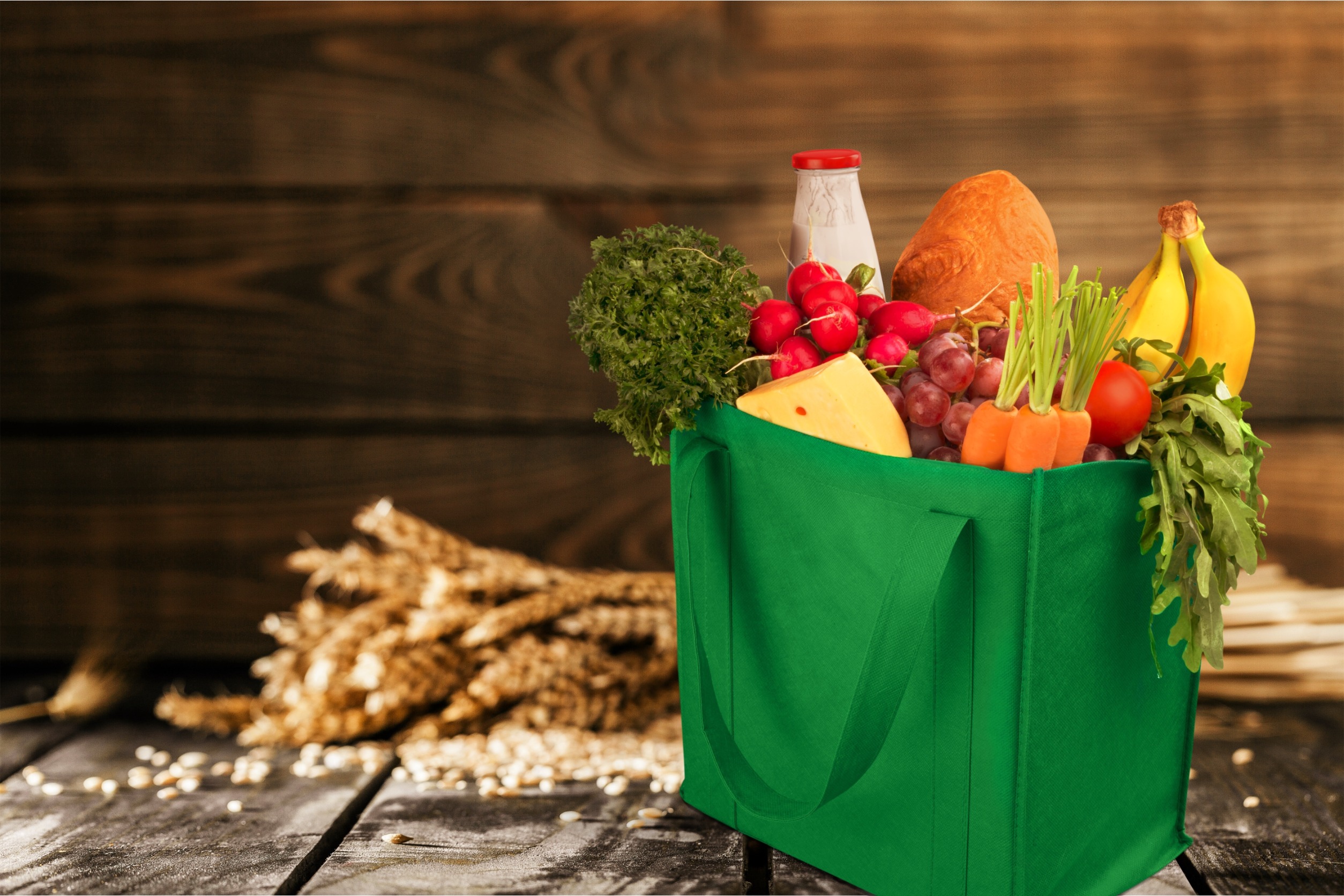
Grocery pickup has become a popular service, offering convenience and efficiency for busy individuals and families. Beyond the time-saving aspect, it also provides numerous financial benefits. As grocery prices fluctuate and household budgets tighten, finding ways to save money is crucial. Utilizing grocery pickup can significantly reduce expenses in various ways. Here are eight ways grocery pickup saves money and helps you manage your budget more effectively.

1. Reduces Impulse Purchases

Reduces Impulse Purchases

One of the most significant ways grocery pickup saves money is by reducing impulse purchases. When shopping in-store, it’s easy to be tempted by items you don’t need, leading to unnecessary spending. With grocery pickup, you order your items online and avoid browsing aisles filled with tempting products. This method helps you stick to your shopping list and budget.

2. Saves on Gas and Transportation Costs

Saves on Gas and Transportation Costs

Using store pickup can also save money on gas and transportation costs. Frequent trips to the grocery store can add up, especially with rising fuel prices. By consolidating your shopping into fewer trips with grocery pickup, you reduce the need to drive as often. This reduction in travel not only saves money on gas but also decreases wear and tear on your vehicle. Additionally, it saves you time, which can be just as valuable.

3. Helps You Stick to a Budget

Helps You Stick to a Budget

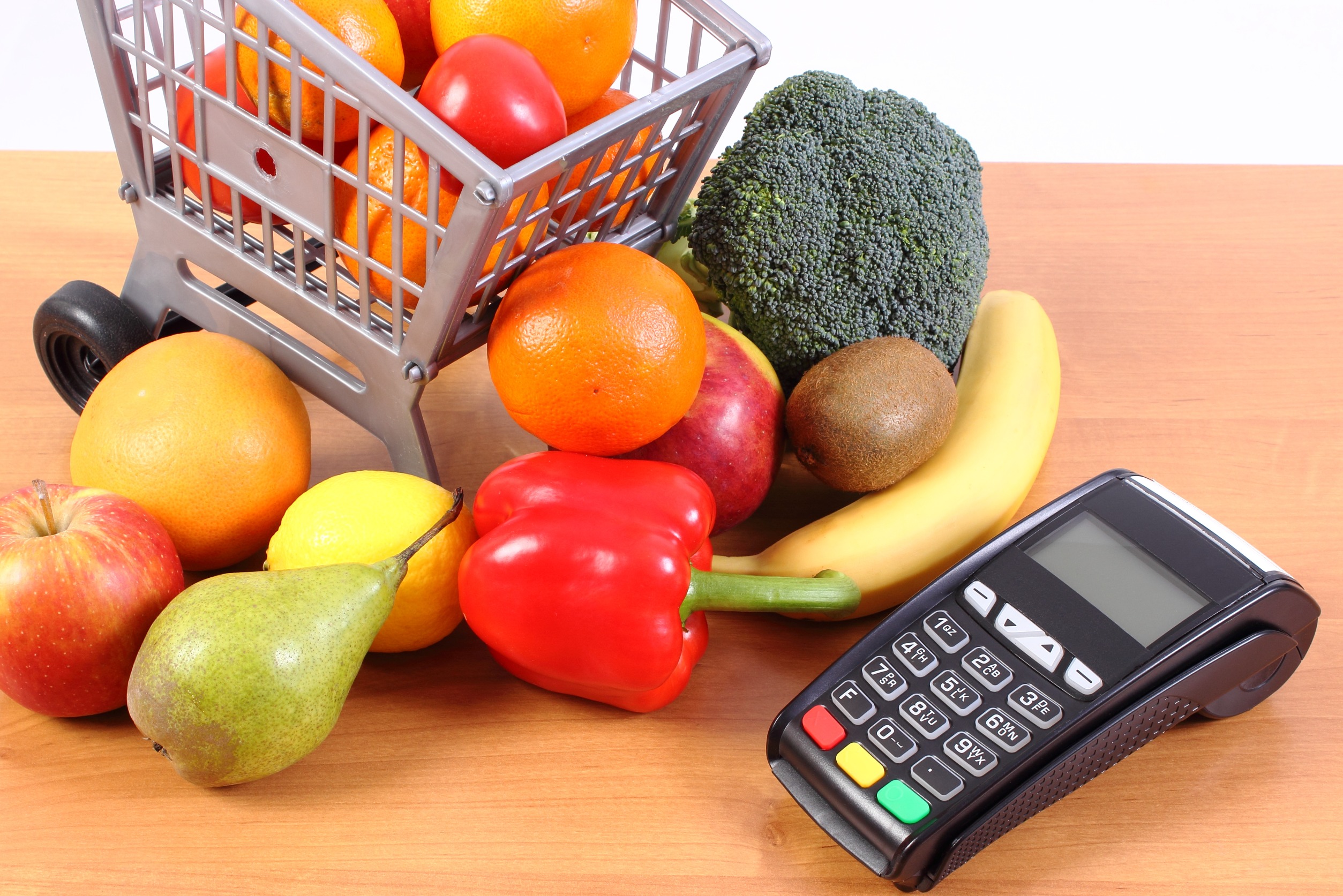
Grocery pickup helps you adhere to a budget by allowing you to see a running total of your purchases before checkout. This feature lets you adjust your cart to stay within your financial limits. Unlike in-store shopping, where you might not realize the total cost until you reach the register, online shopping offers transparency throughout the process. This awareness helps prevent overspending and encourages more mindful purchasing decisions.

4. Eliminates the Cost of Eating Out

Eliminates the Cost of Eating Out

By making grocery shopping more efficient and less time-consuming, grocery pickup reduces the temptation to eat out. With a well-stocked pantry and refrigerator, preparing meals at home is easier. Eating out frequently can quickly drain your budget, especially for larger families. Grocery pickup helps ensure you have the necessary ingredients, making home-cooked meals more accessible.

5. Takes Advantage of Online Coupons and Discounts

Takes Advantage of Online Coupons and Discounts

Many store pickup services offer online coupons and discounts that can be easily applied to your order. These digital savings are often more accessible than paper coupons and can lead to significant discounts. Additionally, some grocery stores offer exclusive promotions for online shoppers, providing further opportunities to save money. By regularly checking for digital deals and applying them to your order, you can reduce your overall grocery bill. In the end, utilizing these savings options makes grocery pickup an economical choice.

6. Minimizes Food Waste

Minimizes Food Waste

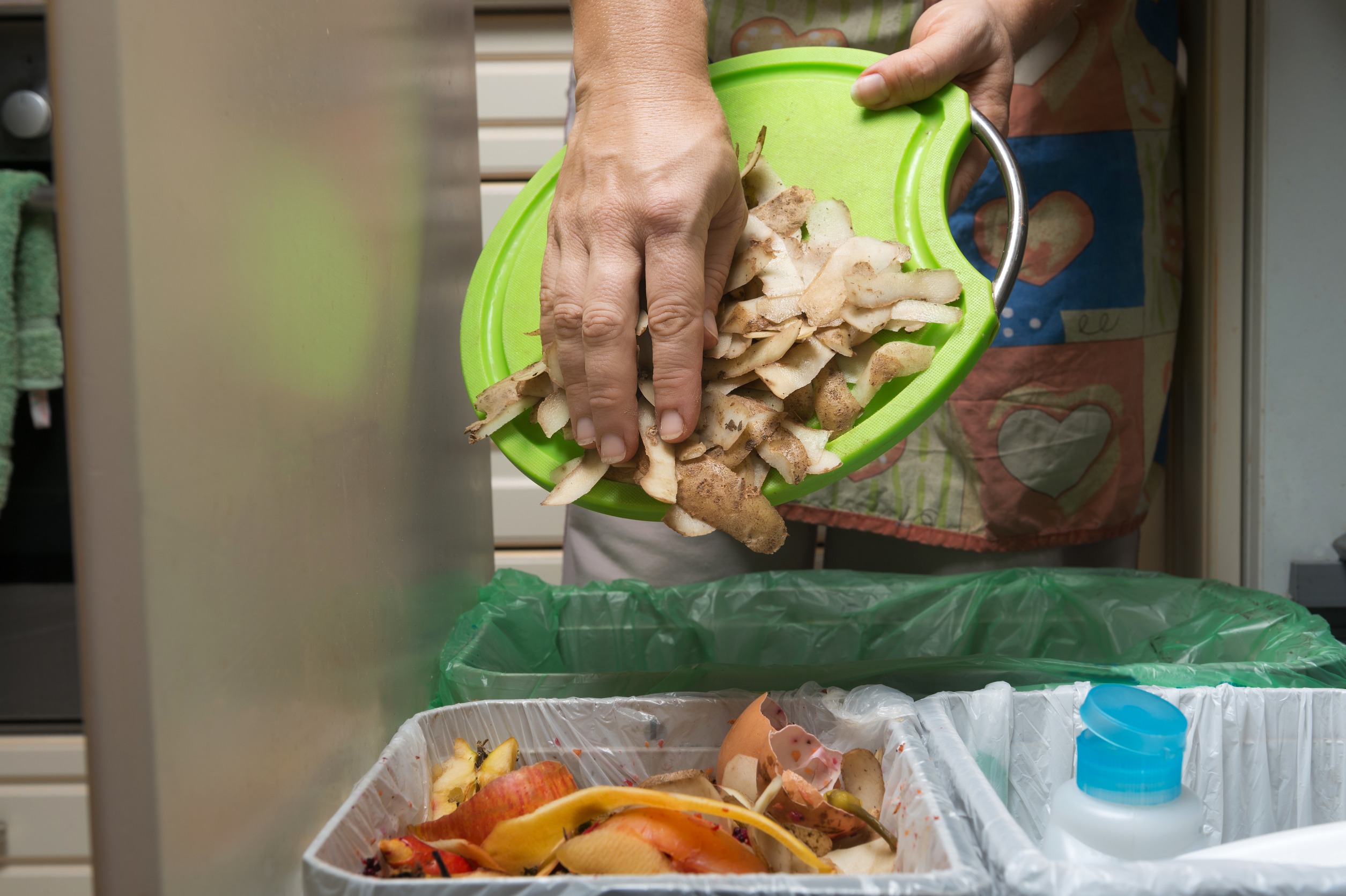
Using grocery pickup helps minimize food waste by allowing you to plan your meals and purchase only what you need. When you plan your shopping list based on specific meals, you are less likely to buy items that go unused. Reducing food waste directly translates to saving money, as you’re making the most out of every grocery dollar. Additionally, grocery pickup can help you avoid duplicate purchases, which often happen during in-store shopping.

7. Reduces the Temptation of In-Store Deals

Reduces the Temptation of In-Store Deals

In-store promotions and deals can often lead to unnecessary spending on items that weren’t on your shopping list. While these deals might seem like savings, they can add up to extra costs. Grocery pickup allows you to avoid these temptations and focus solely on the needed items. You can maintain better control over your spending by steering clear of in-store marketing tactics. This approach helps you avoid falling for deals that don’t truly benefit your budget.

8. Saves Time, Which Translates to Money

Saves Time, Which Translates to Money

Time is money, and grocery pickup saves you significant amounts of both. Ordering groceries online and picking them up at your convenience eliminates the need to spend hours shopping. This saved time can be used more productively, whether for work, family activities, or personal pursuits. Additionally, less time spent in-store means fewer opportunities to make unplanned purchases.

Using Grocery Pickup Can Really Save You Money!

Using Grocery Pickup Can Really Save You Money!

Grocery store pickup offers numerous advantages beyond convenience, particularly in saving money. By reducing impulse purchases, saving on transportation costs, helping you stick to a budget, eliminating the cost of eating out, taking advantage of online discounts, minimizing food waste, reducing the temptation of in-store deals, and saving time, grocery pickup proves to be a financially savvy choice. Embracing this modern shopping method can lead to more efficient and cost-effective grocery shopping, helping you manage your household budget better.

Read More:

13 Strategies for Avoiding Impulse Buys and Sticking to Your Grocery List

10 Quick Ways to Get Money In Your Hands Right Now

Catherine Reed
Catherine Reed

Catherine is a tech-savvy writer who has focused on the personal finance space for more than eight years. She has a Bachelor’s in Information Technology and enjoys showcasing how tech can simplify everyday personal finance tasks like budgeting, spending tracking, and planning for the future. Additionally, she’s explored the ins and outs of the world of side hustles and loves to share what she’s learned along the way. When she’s not working, you can find her relaxing at home in the Pacific Northwest with her two cats or enjoying a cup of coffee at her neighborhood cafe.

Filed Under: Groceries Tagged With: budgeting, food, groceries, grocery pickup, grocery shopping, meals, reduce expenses, save money

11 Fruits and Vegetables You Can Still Afford Even If You’re Broke

May 6, 2024 By Catherine Reed Leave a Comment

11 Fruits and Vegetables You Can Still Afford Even If You're Broke

Maintaining a healthy diet can seem like a luxury in a world where the cost of living continues to rise. However, even on a tight budget, numerous nutritious and affordable options are available. Here, we explore 11 fruits and vegetables that are not only cost-effective but also packed with essential nutrients. These selections can help anyone, especially financially constrained ones, sustain a balanced diet without breaking the bank.

1. Carrots

Carrots

Carrots are a budget-friendly staple found in almost any grocery store. Rich in beta-carotene, which the body converts into vitamin A, carrots support vision, skin health, and immune function. They are versatile in cooking and are delicious, whether raw, steamed, or added to soups and stews. Additionally, carrots have a long shelf life, making them an economical choice as they reduce the frequency of shopping trips.

2. Bananas

Bananas

Bananas are among the most affordable fruits available, making them an excellent choice for anyone on a budget. They are a good source of potassium, which is vital for heart health and muscle function. Bananas are also portable and come with their own natural packaging, making them a convenient snack for people on the go. Their natural sweetness also allows them to serve as a healthier substitute for sugary snacks.

3. Spinach

Spinach

Spinach is a nutrient powerhouse that offers excellent value for its price. It’s loaded with vitamins A, C, and K and minerals like iron and magnesium. Spinach is versatile and easy to incorporate into a variety of dishes, from smoothies to salads to cooked meals. Buying spinach in bulk or frozen can provide even more savings, ensuring you have a versatile vegetable on hand that can enhance any meal.

4. Sweet Potatoes

Sweet Potatoes

Sweet potatoes are an economical and nutritious option that can serve as the main component of a meal. High in vitamins A and C, they help improve immune function and skin health. Sweet potatoes are also naturally sweet and have multiple preparation options—baked, mashed, or even made into fries. Their ability to be stored for long periods also helps in minimizing waste.

5. Apples

Apples

Apples are a cost-effective fruit that offers both health benefits and versatility. Rich in fiber and vitamin C, they can be eaten raw, cooked, or baked into desserts. Purchasing apples in season or from local farmers can reduce costs significantly. They also have a long shelf life, especially when stored in a cool, dry place, making them a smart purchase for those looking to stretch their dollars.

6. Cabbage

Cabbage

Cabbage is another vegetable that offers excellent value. It is rich in vitamins K and C and can last for weeks when stored properly in the refrigerator. Cabbage can be used in a variety of culinary applications, from salads and slaws to stir-fries and soups. Its low cost and versatility make it an ideal vegetable for extensive meal planning on a budget.

7. Oranges

Oranges

Oranges are an affordable source of vitamin C, which is crucial for immune system function and skin health. They are typically less expensive when bought in bulk and can be enjoyed as a standalone snack or juiced. Additionally, the peel can be used in culinary preparations, adding flavor to baked goods and dishes, ensuring you get the most out of each purchase.

8. Onions

Onions

Onions add flavor to any dish and are incredibly affordable in the world of fruits and vegetables. They are a good source of vitamin C and have been shown to provide anti-inflammatory and antioxidant benefits. Onions can be purchased in bulk and stored for an extended period, making them a staple in kitchens for both their flavor and their cost-effectiveness.

9. Watermelon

Watermelon

Watermelon is a budget-friendly fruit, especially when bought in season. It is hydrating, rich in vitamins A and C, and can serve as a refreshing snack or dessert during warmer months. Watermelon works in salads and smoothies or is enjoyable on its own. Its large size also ensures you can have multiple servings from a single purchase.

10. Frozen Peas

Frozen Peas

Frozen peas are an economical and convenient choice. They are rich in protein, fiber, and vitamins A and C. Frozen peas can be added to a variety of dishes, from risotto to soups, and are always ready to use from the freezer, reducing food waste and saving time in meal preparation.

11. Kale

Kale

Kale is a superfood that remains affordable and is packed with vitamins A, K, and C. It can be added to smoothies, turned into chips, or mixed into salads. Kale’s health benefits, such as its role in supporting heart health and reducing inflammation, make it a valuable addition to a budget-friendly diet.

Enjoy Fruits and Vegetables Without Breaking the Bank

Enjoy Fruits and Vegetables Without Breaking the Bank

Maintaining a healthy diet does not have to come at a high cost. By choosing the right fruits and vegetables, such as those listed above, anyone can enjoy nutritious meals without straining their finances. These 11 affordable options ensure that healthful eating is accessible to all, proving that you can eat well even when funds are limited.

Read More:

The Top 15 Unique Food and Drink Products That Are Taking Over Social Media

Fast Food or Fine Dining: 10 Unexpected Experiences of Eating Out

Catherine Reed
Catherine Reed

Catherine is a tech-savvy writer who has focused on the personal finance space for more than eight years. She has a Bachelor’s in Information Technology and enjoys showcasing how tech can simplify everyday personal finance tasks like budgeting, spending tracking, and planning for the future. Additionally, she’s explored the ins and outs of the world of side hustles and loves to share what she’s learned along the way. When she’s not working, you can find her relaxing at home in the Pacific Northwest with her two cats or enjoying a cup of coffee at her neighborhood cafe.

Filed Under: Frugality Tagged With: affordability, being broke, budgeting, Frugality, fruits and vegetables, spending

14 Unpopular Opinions on Managing Debt: What Financial Experts Won’t Tell You

April 25, 2024 By Catherine Reed Leave a Comment

14 Unpopular Opinions on Managing Debt What Financial Experts Won't Tell You

Managing debt is a topic fraught with anxiety for many. Mainstream financial advice often revolves around traditional strategies like consolidating loans or cutting back on spending. However, numerous unconventional and sometimes controversial approaches to debt management seldom make it into the typical advice columns. Here are 14 unpopular opinions on managing debt that challenge the norm and could provide alternative solutions for your financial woes.

1. Don’t Rush to Pay Off Student Loans

Don’t Rush to Pay Off Student Loans

Conventional wisdom urges us to eliminate student debt as quickly as possible. However, if you have federal student loans, these often have lower interest rates compared to other debts. Focusing on higher-interest debts, like credit card balances or high-interest personal loans, might save you more money over time. Plus, federal loans come with protections like deferment, forbearance, and income-driven repayment plans that other debts do not offer.

2. Sometimes It’s Okay to Prioritize Investments Over Debt Payments

Sometimes It’s Okay to Prioritize Investments Over Debt Payments

This is a contentious issue among financial experts, but there can be merit in prioritizing investments over rapid debt repayment, especially if the debt carries a very low interest rate. If the return on your investments could surpass the interest accumulating on your debt, this strategy might lead to greater net worth in the long run. It’s a riskier approach and requires careful market understanding and risk assessment.

3. Maintaining Some Debt Can Benefit Your Credit Score

Maintaining Some Debt Can Benefit Your Credit Score

Completely wiping out your debt might actually hurt your credit score. Credit utilization—how much credit you are using compared to how much you have available—is a significant factor in credit scoring. Maintaining some level of debt and making regular, on-time payments can demonstrate to creditors your reliability, potentially boosting your credit score.

4. Use Windfalls for Yourself, Not Just Your Debts

Use Windfalls for Yourself, Not Just Your Debts

When you receive a financial windfall, such as a tax refund or a bonus, the typical advice is to apply this money directly to your debt. However, using a portion for something personally meaningful or rewarding can be motivating and reduce burnout from constant self-denial. This approach helps maintain a balanced outlook toward financial management.

5. Refusing to Cut Out All Discretionary Spending

Refusing to Cut Out All Discretionary Spending

Cutting all discretionary spending is often touted as a quick way to free up money for debt repayment. However, maintaining some level of discretionary spending can make your financial plan sustainable and more enjoyable in the long term. This strategy can prevent the resentment and fatigue that often derail debt repayment plans.

6. Debt Consolidation Isn’t Always the Answer

Debt Consolidation Isn’t Always the Answer

Debt consolidation can lower monthly payments and simplify financial management, but it’s not a panacea. Consolidating debts might lead to longer payment terms or higher overall interest costs. Essentially, reading the fine print and understanding the long-term implications before going this route is critical.

7. Not All Debt is Bad Debt

Not All Debt is Bad Debt

There’s a growing narrative that all debt is inherently bad. However, some debts, like mortgages or business loans, are considered ‘good’ because they represent an investment in your future. Understanding the difference between oppressive and constructive debt is key to managing finances wisely.

8. You Can Negotiate Your Interest Rates

You Can Negotiate Your Interest Rates

Many believe that interest rates on debts are fixed. However, you can often negotiate these rates with your creditors, especially if you have a history of timely payments and good credit. Reducing your interest rates can make a significant difference in how quickly you can pay off your debt.

9. Paying Off Small Debts First Isn’t Always Optimal

Paying Off Small Debts First Isn’t Always Optimal

The snowball method, paying off the smallest debt first for a psychological boost, is very trendy. However, the avalanche method, where you pay off debts with the highest interest rates first, can save you more money over time. Choosing the correct method depends on your personal psychological needs and financial circumstances.

10. Use Cash, But Don’t Completely Cut Off Credit Cards

Use Cash But Don’t Completely Cut Off Credit Cards

Following debt accumulation, a common suggestion is to cut up all your credit cards. However, using cash for all transactions is not always practical or safe. Instead, using credit cards wisely and paying off balances in full each month can help manage debt and improve your credit score.

11. Skipping Mortgage Payments Can Be Strategic

This is highly controversial, but in some cases, if you are facing financial hardship, skipping a mortgage payment to save cash for an emergency fund or to pay off higher-interest debt could be strategic. Be sure to communicate with your lender for potential options like forbearance.

12. You Don’t Always Have to Follow a Strict Budget

You Don’t Always Have to Follow a Strict Budget

Strict budgeting is a cornerstone of traditional debt management advice. However, being overly restrictive can be unsustainable. An alternative approach is to monitor spending habits and make adjustments based on actual spending patterns and needs, allowing for more flexibility and personalization.

13. Invest in Quality to Save Money

Invest in Quality to Save Money

Investing in high-quality products and services that last longer can be more financially prudent than repeatedly purchasing cheaper, lower-quality items. This principle applies to everything from appliances and clothing to cars and furniture.

14. Sometimes, Spending Money Can Be a Form of Saving

Investing in things like home energy improvements, professional development courses, or health and wellness can reduce costs in other areas of your life. This approach sees spending as an investment in reducing future expenses rather than just immediate cost-cutting.

Unpopular Opinions on Managing Debt Offer a Different Perspective

Unpopular Opinions on Managing Debt Offer a Different Perspective

These unconventional opinions on managing debt offer a different perspective that might be better suited to certain financial situations and personalities. While they may not align with traditional advice, they provide alternative strategies that could lead to financial success when used wisely. Always consider your personal circumstances and, if necessary, consult with a financial advisor to determine the best strategies for managing your debt.

Read More:

Ditch the Debt: 8 Unconventional Tips to Achieve Financial Independence!

Debt Management 101: How To Break Free from Debt and Reclaim Your Finances

Catherine Reed
Catherine Reed

Catherine is a tech-savvy writer who has focused on the personal finance space for more than eight years. She has a Bachelor’s in Information Technology and enjoys showcasing how tech can simplify everyday personal finance tasks like budgeting, spending tracking, and planning for the future. Additionally, she’s explored the ins and outs of the world of side hustles and loves to share what she’s learned along the way. When she’s not working, you can find her relaxing at home in the Pacific Northwest with her two cats or enjoying a cup of coffee at her neighborhood cafe.

Filed Under: Debt, ShareMe Tagged With: budgeting, debt, debt management, debt repayment, financial experts, managing debt, Personal Finance

  • « Previous Page
  • 1
  • …
  • 3
  • 4
  • 5
  • 6
  • 7
  • …
  • 9
  • Next Page »
  • Facebook
  • Pinterest
  • RSS
  • Twitter

Improve Your Credit Score

Money Blogs

  • Budget and the Bees
  • Celebrating Financial Freedom
  • Christian PF
  • Clever Dude
  • Dual Income No Kids
  • Everybody Loves Your Money
  • Financial Panther
  • Gajizmo.com
  • Grocery Coupon Guide
  • Lazy Man and Money
  • Make Money Your Way
  • Money Talks News
  • Personal Profitability
  • PF Blogs
  • Reach Financial Independence
  • Saving Advice
  • The Savvy Scot
  • Yes, I am Cheap

Categories

Disclaimer

Please note that Beating Broke has financial relationships with some of the merchants mentioned here. Beating Broke may be compensated if consumers choose to utilize the links located throughout the content on this site and generate sales for the said merchant.

Visit Our Advertisers

Need to change careers? Consider an Accounting Certificate Program from WTI.