Beating Broke

Personal Finance from the Broke Perspective

  • Home
  • About
  • We Recommend
  • Contact
  • Our Editorial Commitment

Powered by Genesis

11 Unconventional Frugal Habits to Try Today

April 23, 2024 By Catherine Reed Leave a Comment

11 Unconventional Frugal Habits to Try Today

In today’s economy, finding ways to stretch your dollar can be not just a necessity but a smart strategy for financial growth and security. While traditional frugal habits like coupon clipping and budgeting are well-known, there are several unconventional strategies that can help you save money in unexpected ways. This article delves into 11 such frugal habits that are not only easy to implement but could also make significant differences in your financial life.

1. Batch Cooking Over Meal Prepping

Batch Cooking Over Meal Prepping

While meal prepping is a common frugal habit, batch cooking takes it to the next level. Instead of preparing individual meals, cook large quantities of a few recipes and use them as a base for various meals throughout the week. This approach not only saves time and reduces waste but also minimizes energy costs due to less frequent use of your stove and oven. Buying ingredients in bulk for batch cooking can also lead to substantial savings.

2. Adopt a 24-Hour Rule for All Purchases

Adopt a 24-Hour Rule for All Purchases

One effective yet unconventional frugal habit is to implement a 24-hour rule before making any non-essential purchase. Whenever you feel the urge to buy something, wait for 24 hours before actually purchasing it. This delay makes differentiating between impulse buys and genuinely needed items easier, reducing unnecessary spending and helping you to prioritize your financial goals.

3. Swap Clothes with Friends or Family

Swap Clothes with Friends or Family

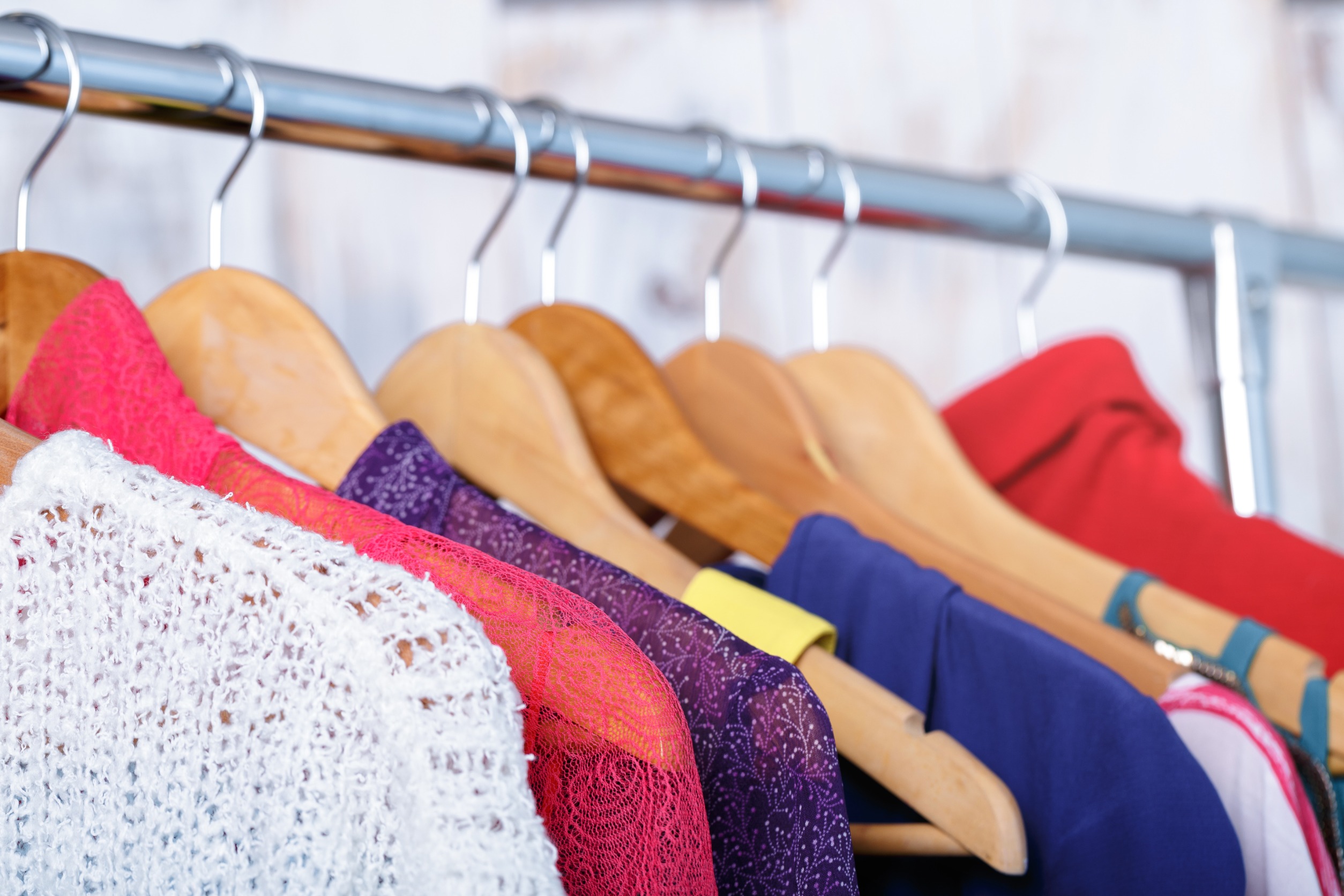
Fashion can be expensive, but you can keep your wardrobe fresh without spending a dime. Organize clothing swaps with friends or family members. This not only allows you to refresh your wardrobe for free but also helps the environment by recycling and reusing garments. It’s a fun and social way to maintain an exciting closet without breaking the bank.

4. Use Apps to Track Public Transport in Real-Time

Use Apps to Track Public Transport in Real-Time

For those who use public transportation, apps that track transit options in real time can save money. By optimizing your routes and connections, you can avoid longer, potentially more expensive routes and stick to the most efficient paths. This not only saves money but also time, aligning perfectly with frugal living principles.

5. Practice Eco-Friendly Living

Practice Eco-Friendly Living

Embracing eco-friendly habits isn’t just good for the planet—it can also be good for your wallet. Simple changes like reducing water usage, turning off lights when not in use, and using programmable thermostats can decrease your monthly utility bills significantly. Over time, these savings can add up to a considerable amount.

6. Volunteer in Exchange for Experiences

Volunteer in Exchange for Experiences

Many events and festivals offer free entry in exchange for volunteer work. If you enjoy cultural, music, or food events, this can be a great way to enjoy them without spending on tickets. Additionally, volunteering is a rewarding activity that can enrich your life experiences while being gentle on your finances.

7. Turn Off Autopilot on Subscriptions

Turn Off Autopilot on Subscriptions

Regularly audit your subscriptions and memberships, and ask yourself whether you really need each one. Turning off autopilot means not allowing your subscriptions to renew automatically without considering their ongoing value to your life. This habit ensures you only pay for services you genuinely use and enjoy, cutting out unnoticed drains on your finances.

8. Repair Instead of Replace

Repair Instead of Replace

In a throwaway culture, it’s easy to forget the value of repairing items. Whether it’s clothing, electronics, or furniture, learning basic repair skills can extend the life of many products, saving you money and reducing waste. This frugal habit not only preserves your belongings but also instills a sense of accomplishment and independence.

9. Host Potluck Dinners

Host Potluck Dinners

Instead of dining out, host a potluck dinner with friends or family. Each guest brings an entrée, side, or dessert to share, which spreads out the cost and effort of cooking, and you all get to enjoy a variety of foods. This is a great way to socialize on a budget, and it often turns into a fun and memorable gathering.

10. Use Library Resources Extensively

Use Library Resources Extensively

Libraries are treasure troves of free resources. Beyond books, many offer magazines, movies, and even tools for checkout. Some libraries also provide access to digital resources, workshops, and classes, all of which are valuable and completely free. Utilizing these resources fully can replace more expensive entertainment and learning options.

11. Exercise Outdoors Instead of a Gym

Exercise Outdoors Instead of a Gym

Gym memberships can be costly, and if you’re not going regularly, they’re also a waste of money. Consider exercising outdoors or using free online resources for your fitness regime. Running, cycling, or even workout routines in your local park are excellent alternatives that contribute to both your physical and financial health.

Give These Unconventional Frugal Habits a Try

Give These Unconventional Frugal Habits a Try

Adopting these unconventional frugal habits can help you manage your finances more effectively, leading to substantial savings without compromising on your lifestyle. Each habit offers a way to rethink your spending and lifestyle choices, making frugality a creative and enjoyable endeavor. Whether it’s changing how you manage purchases, enhancing your living environment, or finding cost-free ways to enjoy life, these strategies prove that being mindful with your money can also be fun.

Read More:

Find Your Frugal Tribe and Save Even More Money

Falling in Love Without Falling in Debt: Five Invaluable Tips for Frugal Dating

Catherine Reed
Catherine Reed

Catherine is a tech-savvy writer who has focused on the personal finance space for more than eight years. She has a Bachelor’s in Information Technology and enjoys showcasing how tech can simplify everyday personal finance tasks like budgeting, spending tracking, and planning for the future. Additionally, she’s explored the ins and outs of the world of side hustles and loves to share what she’s learned along the way. When she’s not working, you can find her relaxing at home in the Pacific Northwest with her two cats or enjoying a cup of coffee at her neighborhood cafe.


Filed Under: frugal living, Frugality Tagged With: budgeting, financial savvy, financial wellness, frugal habits, saving money, shopping

Oh Amazon: 12 Sneaky Tricks Amazon Is Using To Get More Of Your Money

March 26, 2024 By Catherine Reed 1 Comment

Sneaky Tricks Amazon Is Using To Get More Of Your Money

Amazon, the e-commerce giant, has transformed the way we shop online, offering convenience, variety, and competitive pricing. However, as consumers increasingly turn to Amazon for their shopping needs, it’s crucial to be aware of the subtle tactics the platform employs to encourage spending. Here is a closer look at 12 sneaky tricks Amazon is using to get more of your money, shedding light on the company’s sophisticated strategies and how you can shop smarter.

1. Prime Membership: The Loyalty Hook

Prime Membership

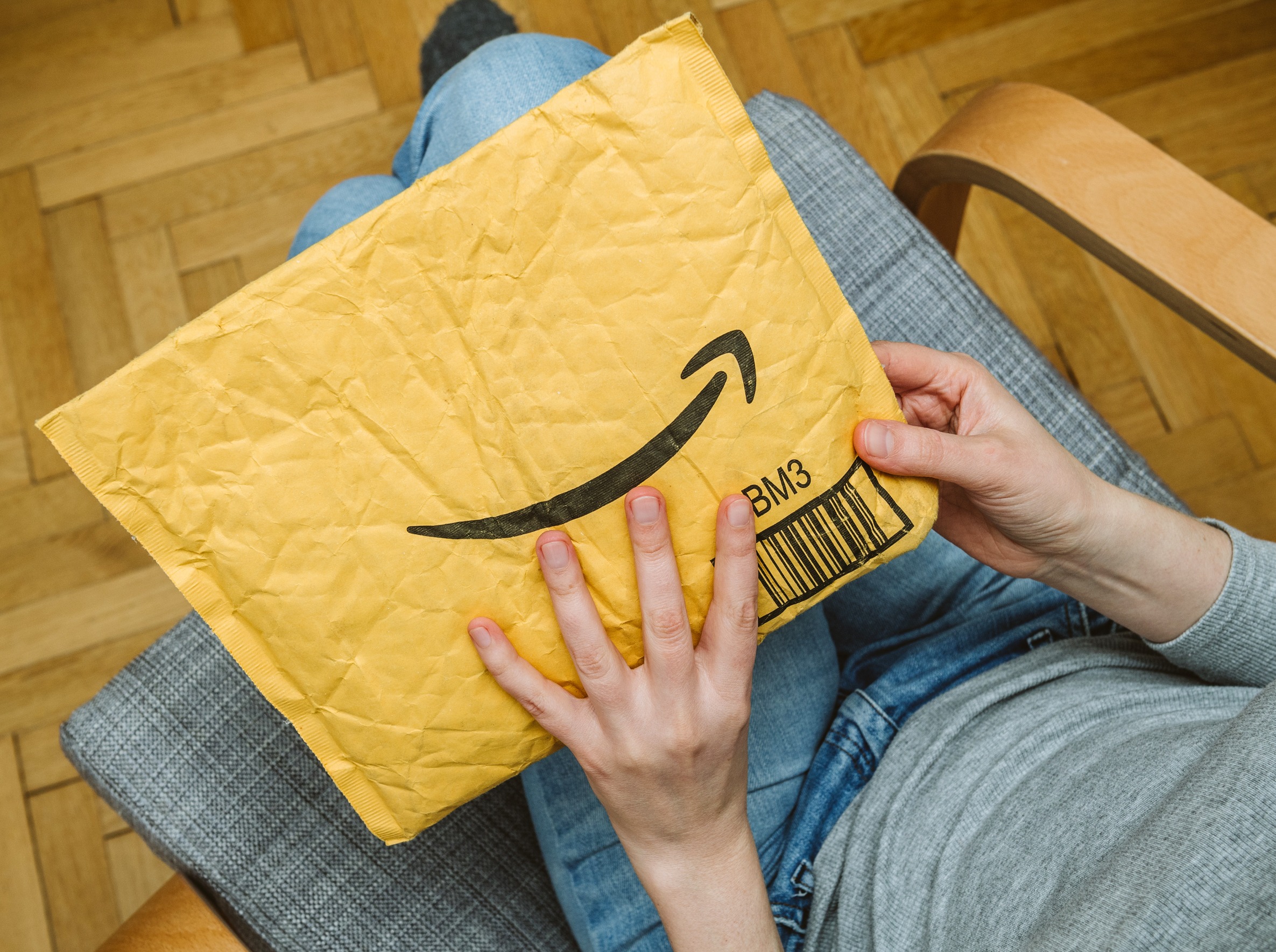
Amazon Prime is a masterclass in customer loyalty programs, offering enticing benefits such as free shipping, exclusive deals, and access to streaming services. However, the annual or monthly fee creates a psychological urge to “get your money’s worth,” driving more frequent purchases and higher spending to justify the membership cost. The convenience and perceived savings can make it easy to overlook the accumulation of purchases over time.

2. “Frequently Bought Together” Recommendations

Frequently Bought Together

The “Frequently Bought Together” feature is more than a helpful suggestion—it’s a clever upselling tactic. By showcasing complementary products, Amazon taps into the consumer’s desire for convenience and completeness, encouraging additional purchases that might not have been initially intended. This strategy not only increases the average order value but also introduces shoppers to items they might not have otherwise considered.

3. The Endless Scroll of Deals

Endless Scroll of Deals

Amazon’s interface is designed for discovery, with endless scrolls of deals and recommendations that keep you engaged and browsing for longer. This endless aisle effect, akin to wandering through a vast, digital storefront, increases the likelihood of impulse purchases as you’re continually exposed to enticing deals and new products.

4. One-Click Ordering

One-Click Ordering

The convenience of one-click ordering is undeniable, but it also makes it dangerously easy to make impulsive purchases without a second thought. The absence of a checkout process removes a crucial pause for consideration, leading to quicker and potentially less deliberate spending decisions.

5. Countdown Timers on Deals

Countdown Timers on Deals

Countdown timers on limited-time deals create a sense of urgency, compelling you to make quick purchasing decisions for fear of missing out. This psychological tactic, known as scarcity marketing, leverages the fear of loss to prompt immediate action, often bypassing more careful consideration of the purchase’s necessity or value.

6. Amazon’s Choice and Best Seller Labels

Amazon's Choice and Best Seller Labels

Labels like “Amazon’s Choice” and “Best Seller” serve as powerful endorsements, guiding consumers toward specific products. While these labels suggest quality and popularity, they can also steer shoppers towards items with higher profit margins for Amazon or those from preferred sellers, subtly influencing purchasing decisions.

7. Subscribe & Save Program

Subscribe & Save Program

The Subscribe & Save program offers convenience and discounts on repeat purchases, but it also locks you into recurring payments. This can lead to overstocking items you don’t need immediately or continuing to buy products out of habit rather than necessity, increasing your overall spending.

8. Dynamic Pricing

Dynamic Pricing

Amazon’s dynamic pricing strategy means that the prices of products can fluctuate based on demand, time of day, and your browsing history. This practice can lead to impulse buying if you notice a price drop, fearing that waiting could mean paying more later.

9. Hidden Costs in “Free Shipping”

Hidden Costs in Free Shipping

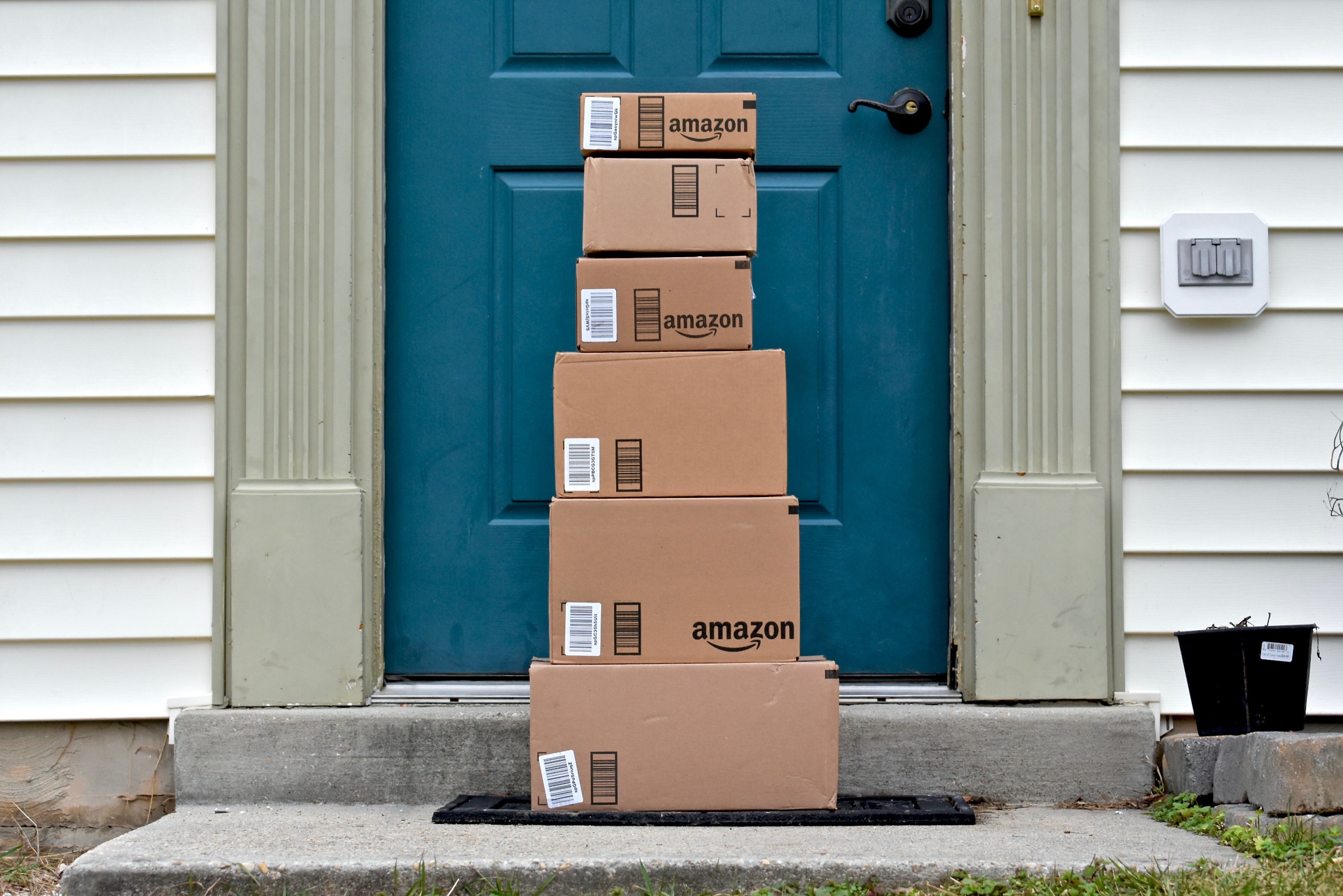
While free shipping is a major draw, it’s often contingent on reaching a certain purchase threshold. This can entice you to add more items to your cart than initially planned just to qualify for free shipping, subtly increasing your total spend.

10. Amazon Prime Video and Music Upsells

Amazon Prime Video and Music Upsells

Integrating services like Prime Video and Prime Music into the Prime membership not only adds value but also creates more touchpoints with Amazon’s ecosystem, increasing brand loyalty and the likelihood of making Amazon your default shopping destination.

11. Personalized Advertising

Personalized Advertising

Amazon’s sophisticated use of data analytics allows for highly personalized advertising, both on and off the platform. By presenting tailored ads based on your browsing and purchase history, Amazon keeps products and deals top-of-mind, nudging you towards more purchases.

12. Amazon Credit Card Incentives

Amazon Credit Card Incentives

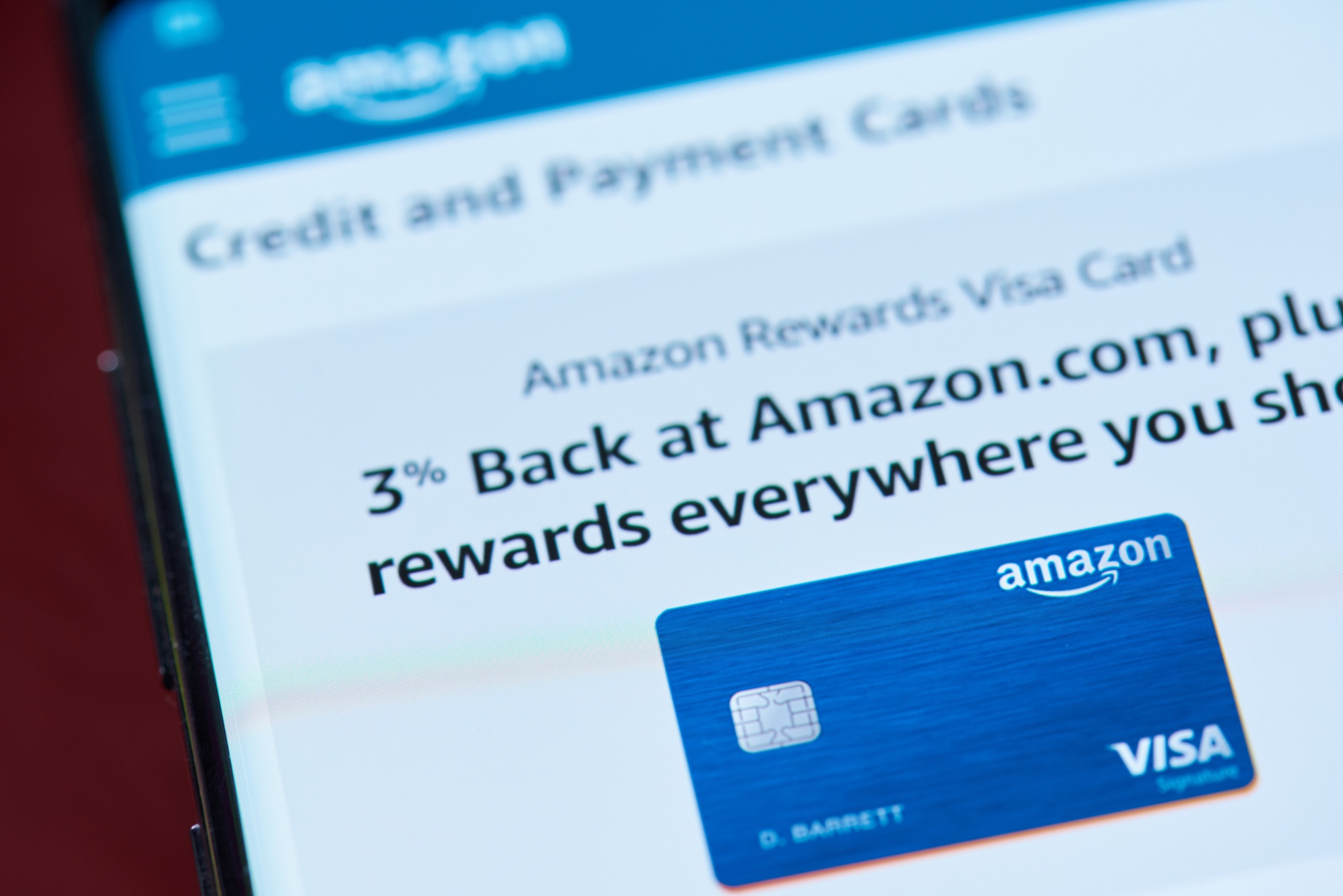
The Amazon credit card offers attractive rewards and cashback on purchases, encouraging you to use it as your primary payment method. This can lead to more frequent shopping on the platform, driven by the allure of rewards and discounts, potentially increasing your spending.

Watch Out for the Sneaky Tricks Amazon Is Using to Get More of Your Money

Watch Out for the Sneaky Tricks Amazon Is Using to Get More of Your Money

Understanding the sneaky tricks Amazon is using empowers you to shop more mindfully, resist impulsive purchases, and make more informed decisions. Remember, every feature designed for your convenience also serves Amazon’s goal of boosting sales. Shop smarter by recognizing these tricks and keeping your spending in check.

Read More:

Why We Decided to Keep Our Amazon Subscription

Spending Your Money Wisely

Catherine Reed
Catherine Reed

Catherine is a tech-savvy writer who has focused on the personal finance space for more than eight years. She has a Bachelor’s in Information Technology and enjoys showcasing how tech can simplify everyday personal finance tasks like budgeting, spending tracking, and planning for the future. Additionally, she’s explored the ins and outs of the world of side hustles and loves to share what she’s learned along the way. When she’s not working, you can find her relaxing at home in the Pacific Northwest with her two cats or enjoying a cup of coffee at her neighborhood cafe.

Filed Under: ShareMe, Shopping Tagged With: amazon, budgeting, online shopping, sneaky tricks, spending

How YNAB Changed Our Finances

February 21, 2022 By MelissaB 2 Comments

How YNAB Changed Our Finances

Years ago, when my husband and I were first married, I had a budget binder. It was simply a spiral notebook, and on each page, I put a different budget line item such as “groceries” or “electricity.” Each time we were paid, I put a certain amount in each category. When I paid a bill, I deducted the amount from that category. It was a tedious process, especially in a category that had a lot of deductions, like groceries. In desperation, I started researching budgeting software. I tried several before finally settling on You Need a Budget (YNAB). There are so many ways that YNAB changed our finances!

What Is YNAB?

You Need a Budget (YNAB) is a budgeting software based on the envelope system of budgeting.

The YNAB Principles

The YNAB system has four principles.

Give Every Dollar a Job

Using YNAB, you should budget every single dollar that you receive. Doing this helps you map out how to spend your money. If you have $40 left in your grocery category, you might need to have a small shopping trip and eat up the items in your pantry so you can keep within your budgeted amount.

Embrace Your True Expenses

Your true expenses are not just the ones that are due every month. You also have to budget for those expenses that you only pay once or twice a year like car insurance, property taxes, home insurance, and car registration. You should also budget for irregular expenses such as vet and medical bills.

Roll with the Punches

Your budget is flexible. If you only have $40 left in your grocery budget but your food costs $75, you can move $35 from another category to cover the overage. Things happen—roll with the punches.

Age Your Money

YNAB Changed Our Finances

The age your money principle refers to how long it takes you to use the money that comes in. If you have money coming in that you don’t have to use for 30 days, your money is 30 days old. The longer you use YNAB, usually, the older your age of money is. Currently, our age of money is 73 days.

YNAB Trainings

YNAB has many free training videos, so you can watch those to learn more about the principles in YNAB and budgeting. In addition, the creator of YNAB, Jessie Mecham, wrote a book, You Need a Budget: The Proven System for Breaking the Paycheck-to-Paycheck Cycle, Getting Out of Debt, and Living the Life You Want, that you can also read to learn about the YNAB system in-depth.

How YNAB Changed Our Finances

I started using YNAB over six years ago, and the program has revolutionized how I handle our finances.

Electronic Version of My Budget Binder

How YNAB Changed Our Finances

At its core, YNAB is an electronic version of my old paper budget binder.

Easier to Use than Paper

However, using YNAB is so much easier! All of those calculations I used to do on paper? YNAB does them automatically.

More Flexibility

Plus, when I put in an expense, I have the option to split the cost into several categories. So, if I spend $70 on Amazon, I can split the expenses into separate categories such as $45 for groceries, $15 for toiletries, and $10 for spending. I love that flexibility, and the process is so much easier and quicker than doing it by hand.

YNAB Is Portable

Plus, I can always consult my YNAB budget on my cell phone. I never carried around my budget binder previously, so I would have to guess how much I had left in each category.

Create a Budget Buffer

Besides being easier to use than my clunky budget binder, YNAB taught me new budgeting principles such as creating a buffer. When you first start using YNAB, you’re encouraged to create at least a one-month buffer. That means that slowly you start covering next month’s expenses with this month’s money. Say, at the end of the month you have $150 leftover. You don’t go out to eat to celebrate. Instead, you take that money and put it in some of your categories for next month. Then, slowly, you keep adding until you have all of your categories for next month covered with this month’s money.

Having a buffer gives you an automatic one-month emergency fund and gives you a sense of security. It also makes budgeting easier. You can pay all of your bills at the beginning of the month instead of waiting until you get your paychecks during the month because the money is waiting to do its job.

Can See Your Finances in One Glance

What I love most about YNAB is that my husband and I can see our finances at a glance. Since I do all of the budgeting, YNAB allows my husband and I to sit down every one or two weeks and together look at where we stand financially. My little budget notebook never made much sense to him, especially because he’d have to flip through 20 pages to see the amount of money in each of our categories.

Easy to Track Net Worth

YNAB Improved Our Finances

The best feature is the net worth feature. Often when we feel like we’re not making much progress financially, we look at our net worth and see that we are improving our bottom line. We sit down together at the end of each month to go over our net worth.

YNAB’s Price Increase But We Kept It

Recently, YNAB had a significant price increase. I thought about searching for a cheaper budgeting software. However, my husband said no, he wanted to stick with YNAB. He feels it is a valuable tool that makes budgeting and money management easier for me. In addition, he loves how easily he can keep up to date with our finances thanks to the program. He feels that YNAB is well worth the price, even after the price increase, so we’re staying.

Final Thoughts

YNAB has changed our finances and made them so much easier to manage. If you’re looking for budgeting software, I highly recommend You Need a Budget.

Read More

Feed a Hungry Teenager Without Breaking Your Grocery Budget

6 Unexpected Baby Expenses to Budget For

How to Feed Your Family on a Low Budget

P.s. if you’re looking for a good all around quality site to review while you’re working with YNAB, consider Moneycrashers.com.  I’ve been following them for year – and their advice is generally really solid.

MelissaB
MelissaB

Melissa is a writer and virtual assistant. She earned her Master’s from Southern Illinois University, and her Bachelor’s in English from the University of Michigan. When she’s not working, you can find her homeschooling her kids, reading a good book, or cooking. She resides in New York, where she loves the natural beauty of the area.

www.momsplans.com/

Filed Under: budget, Emergency Fund, Saving Tagged With: budget, budgeting, budgeting software, ynab

  • « Previous Page
  • 1
  • …
  • 4
  • 5
  • 6
  • 7
  • 8
  • 9
  • Next Page »
  • Facebook
  • Pinterest
  • RSS
  • Twitter

Improve Your Credit Score

Money Blogs

  • Budget and the Bees
  • Celebrating Financial Freedom
  • Christian PF
  • Clever Dude
  • Dual Income No Kids
  • Everybody Loves Your Money
  • Financial Panther
  • Gajizmo.com
  • Grocery Coupon Guide
  • Lazy Man and Money
  • Make Money Your Way
  • Money Talks News
  • Personal Profitability
  • PF Blogs
  • Reach Financial Independence
  • Saving Advice
  • The Savvy Scot
  • Yes, I am Cheap

Categories

Disclaimer

Please note that Beating Broke has financial relationships with some of the merchants mentioned here. Beating Broke may be compensated if consumers choose to utilize the links located throughout the content on this site and generate sales for the said merchant.

Visit Our Advertisers

Need to change careers? Consider an Accounting Certificate Program from WTI.