
Beating Broke

Personal Finance from the Broke Perspective

  • Home
  • About
  • We Recommend
  • Contact
  • Our Editorial Commitment

Powered by Genesis

If You Stay With Her: 10 Reasons She’ll Always Keep You Broke

April 2, 2025 By Shay Huntley Leave a Comment

A couple leaving the shop after a successful shopping day.
Image Source: 123rf.com

Relationships are often built on love and shared values, but financial compatibility plays a critical role in long-term stability. Staying in a relationship with someone whose habits undermine financial growth can lead to a constant cycle of stress and stagnation. The following are ten reasons why staying with “her” (or any partner with these tendencies) might keep you from achieving financial security.

1. She Spends Beyond Her Means

A partner who constantly lives beyond her financial capacity may drain both your budget and future savings. Whether it’s unnecessary shopping sprees or luxury vacations, overspending quickly depletes resources. This behavior creates an unsustainable lifestyle and leaves little room for financial growth or stability.

2. She Avoids Budgeting

Financial planning requires discipline and cooperation. If she refuses to stick to a budget or ignores the importance of tracking expenses, it can lead to long-term financial chaos. Without a shared commitment to budgeting, it’s difficult to make progress toward shared goals like homeownership or retirement savings.

3. She Criticizes Your Financial Goals

A supportive partner respects and encourages your ambition, whether that means saving for a business or paying off debt. However, if she dismisses your financial plans or questions your priorities, it can hinder progress. Financial mismatches often emerge when values and goals aren’t aligned.

4. She Seeks Instant Gratification

When impulse purchases or instant rewards take precedence over long-term financial decisions, savings suffer. A partner focused on immediate gratification may not value investment opportunities or saving for the future. This tendency can undermine efforts to build wealth and secure stability.

5. She Rejects Financial Responsibility

Taking ownership of financial decisions is key in any relationship. If she avoids responsibilities like paying bills or managing joint expenses, the burden may fall disproportionately on you. Over time, this imbalance can lead to resentment and financial strain.

6. She Has Uncontrolled Debt
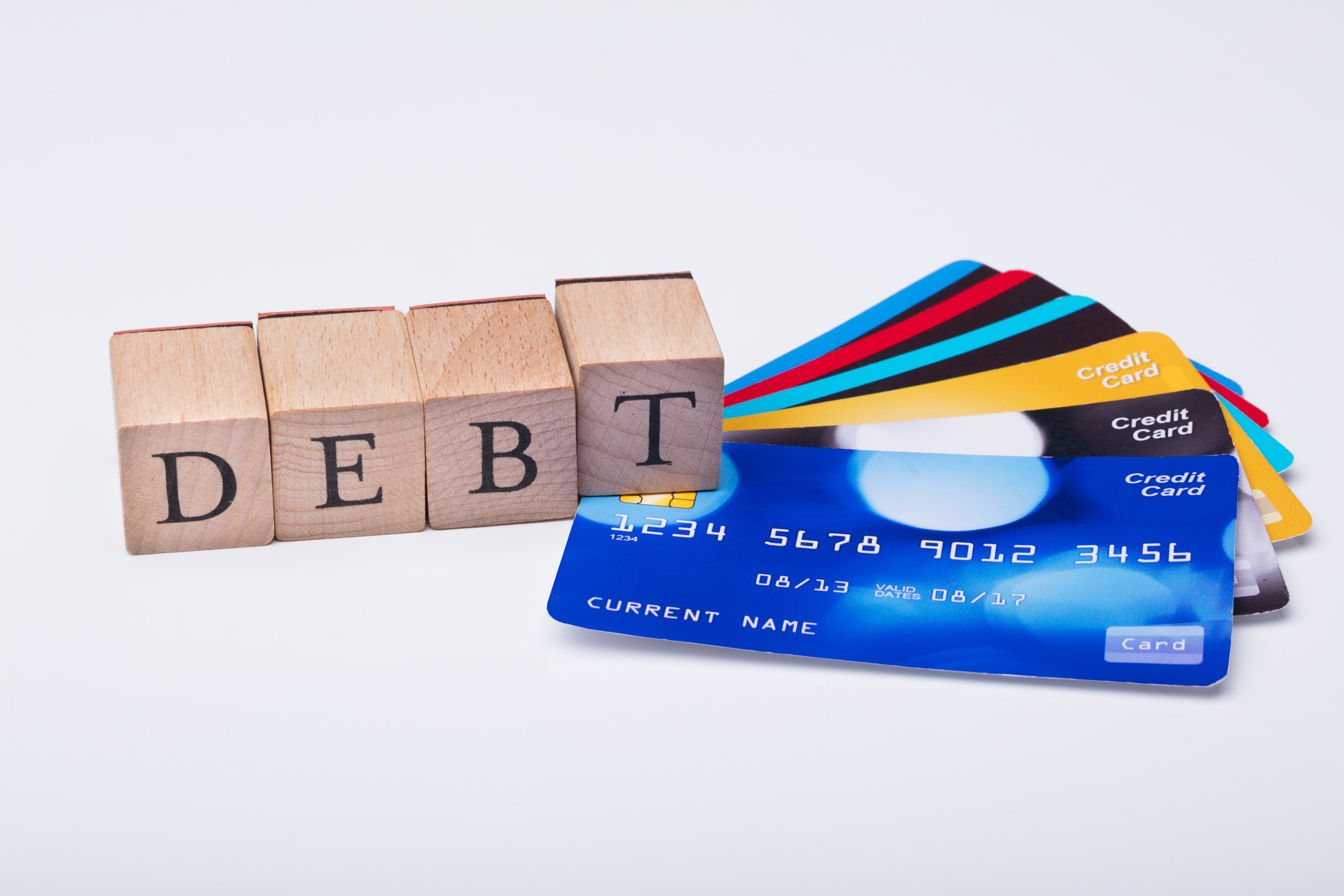
Close-up Of Debt Card And Debt Text On Stacked Wooden Block
Image Source: 123rf.com

Debt itself isn’t necessarily bad—many people rely on loans or credit for major life purchases. However, a partner who accrues debt irresponsibly or avoids repayment can sabotage your financial health. It’s crucial to address and manage debt together to avoid long-term repercussions.

7. She Ignores Financial Education

Financial literacy empowers individuals to make smarter decisions about money. A partner who isn’t willing to learn or improve her financial knowledge may struggle to contribute effectively to shared goals. Avoiding education can lead to missed opportunities and costly mistakes.

8. She Relies Exclusively on Your Income

A relationship built on mutual contribution fosters equality and stability. If she consistently relies on your income without exploring her earning potential, the dynamic becomes one-sided. Financial independence is important for both partners, ensuring a balanced and secure future.

9. She Prefers Short-Term Comfort Over Long-Term Security

Savings, investments, and careful planning require sacrifice and foresight. A partner who prioritizes short-term comforts—such as frequent dining out or extravagant purchases—over long-term financial goals can limit progress. Aligning priorities is crucial for building a sustainable future.

10. She Resists Change

Acknowledging financial habits and making adjustments requires self-awareness and a willingness to change. If she refuses to recognize harmful spending behaviors or actively resists improvement, it can prevent meaningful growth. Financial success often depends on adaptability and commitment to change.

Prioritize Financial Compatibility

Love is vital in a relationship, but financial compatibility ensures long-term success. If your partner exhibits these habits and refuses to address them, it’s worth re-evaluating the relationship’s impact on your future. Open communication and shared responsibility are key to overcoming financial challenges.

Have you experienced similar financial struggles in a relationship? Share your thoughts or experiences in the comments below!

Read More:

Quiet vs. Outgoing: 10 Daily Habits Separating Introverts and Extroverts

Influencer Illusions: 10 Reasons It Won’t Fund Your Lifestyle
 

Filed Under: relationships Tagged With: budgeting challenges, financial compatibility, financial habits, financial literacy, money management, relationship advice

Quiet vs. Outgoing: 10 Daily Habits Separating Introverts and Extroverts

April 2, 2025 By Shay Huntley Leave a Comment

Extroverts or introverts road sign on cloudy sky background
Image Source: 123rf.com

Introverts and extroverts experience and interact with the world in vastly different ways. While neither personality type is better than the other, their daily habits often reflect their distinct preferences for energy management, social interaction, and self-expression. Whether you identify as one or are somewhere in between, exploring these differences can deepen your understanding of yourself and others. Here are ten daily habits that highlight how introverts and extroverts navigate their days differently.

1. Morning Routines: Solitude vs. Social Interaction

Introverts often use their mornings as quiet time to recharge and mentally prepare for the day. They might read, meditate, or enjoy their coffee in silence. On the other hand, extroverts thrive on activity and may feel energized by chatting with family or playing upbeat music. The way each type starts their day sets the tone for how they approach the hours ahead.

2. Energy Sources: Time Alone vs. Social Engagement

For introverts, alone time is crucial for recharging their mental and emotional batteries. They might carve out time to journal, take a walk, or dive into a hobby. Extroverts, however, draw energy from being around others. They seek out opportunities to connect—whether it’s a quick chat with a coworker or a group lunch.

3. Socializing: Selective vs. Frequent

Introverts often limit their social interactions, preferring one-on-one connections over group settings. They may invest deeply in a small circle of close friends. Extroverts, in contrast, enjoy frequent social encounters and are more likely to thrive in group dynamics. They see each new interaction as an opportunity for connection and excitement.

4. Communication Styles: Reflective vs. Outspoken

When it comes to communication, introverts tend to think carefully before they speak or write. They may prefer emails or messages where they can take their time to express themselves. Extroverts, on the other hand, are often more spontaneous and vocal, favoring verbal communication and in-the-moment expression.

5. Work Habits: Independent vs. Collaborative

Young woman alone working late in the night at the library with her laptop. Generative AI.
Image Source: 123rf.com

Introverts often prefer to work independently or in quiet environments where they can focus. They may excel in roles that allow for introspection and creativity. Extroverts, however, thrive in team settings where they can bounce ideas off others. They often shine in collaborative roles that require networking or group discussions.

6. Leisure Activities: Quiet Hobbies vs. Active Outings

Introverts gravitate toward hobbies that allow them to unwind and recharge, such as reading, painting, or gardening. They find joy in solitary or low-stimulation activities. Extroverts, on the other hand, are drawn to high-energy pastimes like attending parties, playing team sports, or exploring new places with friends.

7. Approach to Stress: Internal Processing vs. External Venting

When faced with stress, introverts tend to process their emotions internally. They might need time alone to reflect, journal, or find clarity. Extroverts, in contrast, often cope by talking through their feelings with others. They feel relieved after venting and seek advice or reassurance from their social circles.

8. Use of Technology: Selective vs. Frequent Sharing

Introverts are more likely to curate their digital presence carefully, sharing only what feels meaningful or necessary. They might prefer consuming content over contributing to it. Extroverts, however, enjoy being active on social media, sharing their thoughts, experiences, and engaging with followers. Technology serves as another avenue for connection.

9. Networking: Quality Over Quantity vs. Broad Connections

For introverts, networking is about building a small number of meaningful relationships. They value depth over breadth. Extroverts, on the other hand, are skilled at forming large networks and thrive in situations where they can meet new people. Their outgoing nature makes them comfortable in a variety of social settings.

10. Evening Wind-Down: Reflection vs. Connection

At the end of the day, introverts prefer winding down with calming activities like reading, meditating, or enjoying a quiet meal. Extroverts, however, may seek social interaction, whether through a phone call, a group dinner, or even a lively event. Their evenings are often as active as their days.

Unique Habits Set Them Apart

While introverts and extroverts have unique habits that set them apart, these differences are what make their perspectives so valuable. Understanding these habits can foster empathy and appreciation for the diversity in how we experience the world.

Are you an introvert or an extrovert? How well do you get along with your polar opposites? Share your thoughts in the comments below!

Read More:

Then vs. Now: 10 Startling Differences Between the 1980s and Today

New City, New Life? 9 Financial Struggles You’ll Face (And How to Survive Them)


Filed Under: Lifestyle Tagged With: daily routines, energy management, extrovert habits, introvert habits, personality differences, self-awareness, social interactions

Then vs. Now: 10 Startling Differences Between the 1980s and Today

April 2, 2025 By Latrice Perez Leave a Comment

Retro Red Telephone on Blue Background
Image Source: 123rf.com

The 1980s, with its neon lights, big hair, and mix tapes, feels like another world compared to today’s digital age. Over the last four decades, technology, culture, and daily life have undergone dramatic transformations. The differences are startling and remind us how quickly the world evolves. Let’s take a nostalgic dive into 10 major contrasts between the 1980s and today.

1. Communication: From Landlines to Smartphones

In the ’80s, staying connected meant using a landline phone, and answering machines were cutting-edge tech. Today, smartphones put the world in our pockets. We send texts, video call loved ones, and scroll endlessly through social media—all things unimaginable back then. The shift has redefined how we stay in touch with friends and family.

2. Entertainment: VHS Tapes vs. Streaming Services

Going to the video rental store was a cherished weekend ritual in the ’80s. Fast forward to now, and streaming platforms have made entertainment instantaneous. Instead of rewinding VHS tapes, we binge-watch shows or movies on-demand, often skipping opening credits entirely. The way we consume media has gone through a total revolution.

3. Fashion Trends: Neon vs. Athleisure

The ’80s were defined by bold fashion choices—think shoulder pads, leg warmers, and vibrant neon colors. Today’s fashion leans toward comfort, with athleisure reigning supreme. While trends continue to recycle, the shift toward functional and minimalist styles is a clear contrast to the over-the-top aesthetic of the ’80s.

4. Technology: Analog Gadgets to Smart Devices

The ’80s boasted iconic tech like the Walkman, boomboxes, and arcade machines. Modern gadgets like smartwatches, wireless earbuds, and virtual assistants have replaced them. Devices are no longer single-function—they’re multifunctional powerhouses designed to simplify every aspect of our lives. The leap in technology is staggering.

5. Work Life: Typewriters to Remote Work

In the 1980s, offices were filled with the clatter of typewriters and stacks of paper. Today, laptops, cloud storage, and remote work dominate. The pandemic accelerated the shift to working from home, something that would have been nearly impossible with 1980s technology. Work-life balance and flexibility look very different now.

6. Parenting Styles: Free-Range Kids to Helicopter Parenting

In the ’80s, kids often roamed the neighborhood unsupervised until the streetlights came on. Parents today are more likely to closely monitor their children’s activities and maintain constant contact through cell phones. While both approaches have pros and cons, the change reflects evolving societal norms and safety concerns.

7. Shopping: Malls vs. Online Shopping

The mall was a social hub in the ’80s—a place to hang out, try on clothes, and grab a bite. Now, online shopping has transformed the experience. With just a few clicks, we can have items delivered to our doorsteps without ever leaving home. The convenience is undeniable, but the communal aspect of shopping has dwindled.

8. Music: Mixtapes to Streaming Playlists

Audio cassettes, retro tapes, media storage for music and sound isolated on white background. Vintage style analog hipster devices, mixtapes of eighties ages culture. Cartoon vector illustration, set
Image Source: 123rf.com

Making a mixtape in the ’80s took time, effort, and blank cassettes. Today, creating a playlist is as simple as a few taps on a screen. Music streaming services have made access to songs limitless, but the personal touch of crafting a mixtape has become a nostalgic relic of the past.

9. Social Interaction: In-Person vs. Digital

Socializing in the ’80s meant face-to-face conversations, meeting friends at the arcade, or chatting over the phone. Now, social media has become the cornerstone of interaction. While it helps people stay connected across the globe, it also raises questions about the quality of digital relationships compared to in-person connections.

10. News and Information: Newspapers to Instant Updates

Morning newspapers and evening news broadcasts were the primary sources of information in the ’80s. Today, news is instantaneous, available 24/7 on our phones through apps, websites, or social media. While the speed of information is a marvel, the constant flow can sometimes feel overwhelming.

The 80s and Today Couldn’t Be More Different

The 1980s and today couldn’t be more different, yet both eras have their unique charm. The rapid pace of change offers incredible opportunities but also challenges us to adapt. Reflecting on these contrasts reminds us of how far we’ve come and how much more there is to explore.

What changes stand out the most to you? Are there anythings you wish would come back? Share your thoughts in the comments below!

Read More:

Feast for Less: 8 Satisfying Meals to Make for Under $10

New City, New Life? 9 Financial Struggles You’ll Face (And How to Survive Them)

Filed Under: Life Experiences Tagged With: 1980s nostalgia, cultural changes, lifestyle differences, societal trends, technology evolution, then vs. now

  • « Previous Page
  • 1
  • …
  • 25
  • 26
  • 27
  • 28
  • 29
  • …
  • 320
  • Next Page »
  • Facebook
  • Pinterest
  • RSS
  • Twitter

Improve Your Credit Score

Money Blogs

  • Budget and the Bees
  • Celebrating Financial Freedom
  • Christian PF
  • Clever Dude
  • Dual Income No Kids
  • Everybody Loves Your Money
  • Financial Panther
  • Gajizmo.com
  • Grocery Coupon Guide
  • Lazy Man and Money
  • Make Money Your Way
  • Money Talks News
  • Personal Profitability
  • PF Blogs
  • Reach Financial Independence
  • Saving Advice
  • The Savvy Scot
  • Yes, I am Cheap

Categories

Disclaimer

Please note that Beating Broke has financial relationships with some of the merchants mentioned here. Beating Broke may be compensated if consumers choose to utilize the links located throughout the content on this site and generate sales for the said merchant.

Visit Our Advertisers

Need to change careers? Consider an Accounting Certificate Program from WTI.
  • Home
  • About
  • We Recommend
  • Contact
  • Our Editorial Commitment