
Beating Broke

Personal Finance from the Broke Perspective

  • Home
  • About
  • We Recommend
  • Contact
  • Privacy Policy

Powered by Genesis

9 of the Most Common Reasons People End Up Broke

April 3, 2024 By Catherine Reed Leave a Comment

Most Common Reasons People End Up Broke

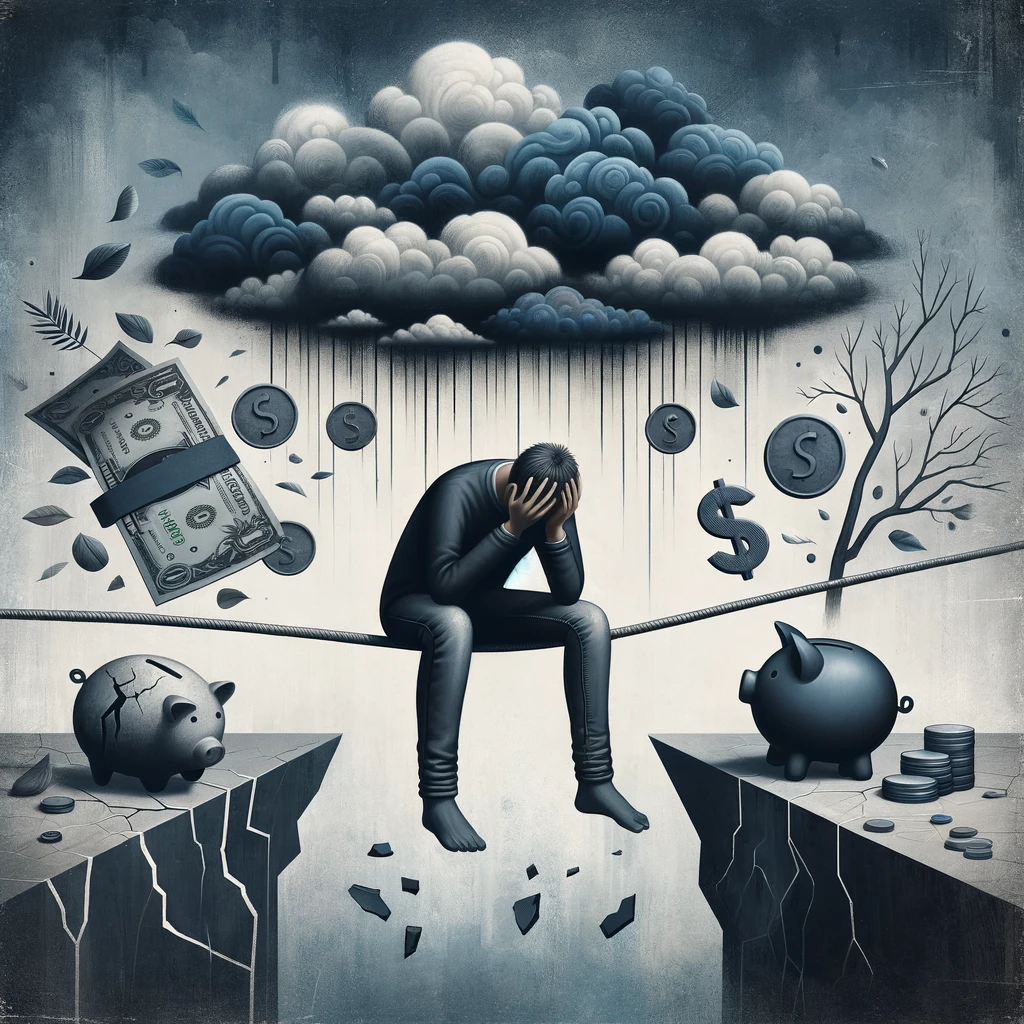
In an era where financial literacy is more accessible than ever, the question arises: why do so many individuals still end up broke? This perplexing issue isn’t confined to any single demographic or geographic location; it spans across various segments of society. From unforeseen emergencies to lackluster financial planning, the reasons are manifold and multifaceted, and it’s important to consult a professional insolvency practitioner early on. Here, we delve into the nine most common reasons people end up broke, shedding light on the pitfalls that can lead to a precarious financial situation.

1. Lack of Emergency Savings
Lack of Emergency Savings

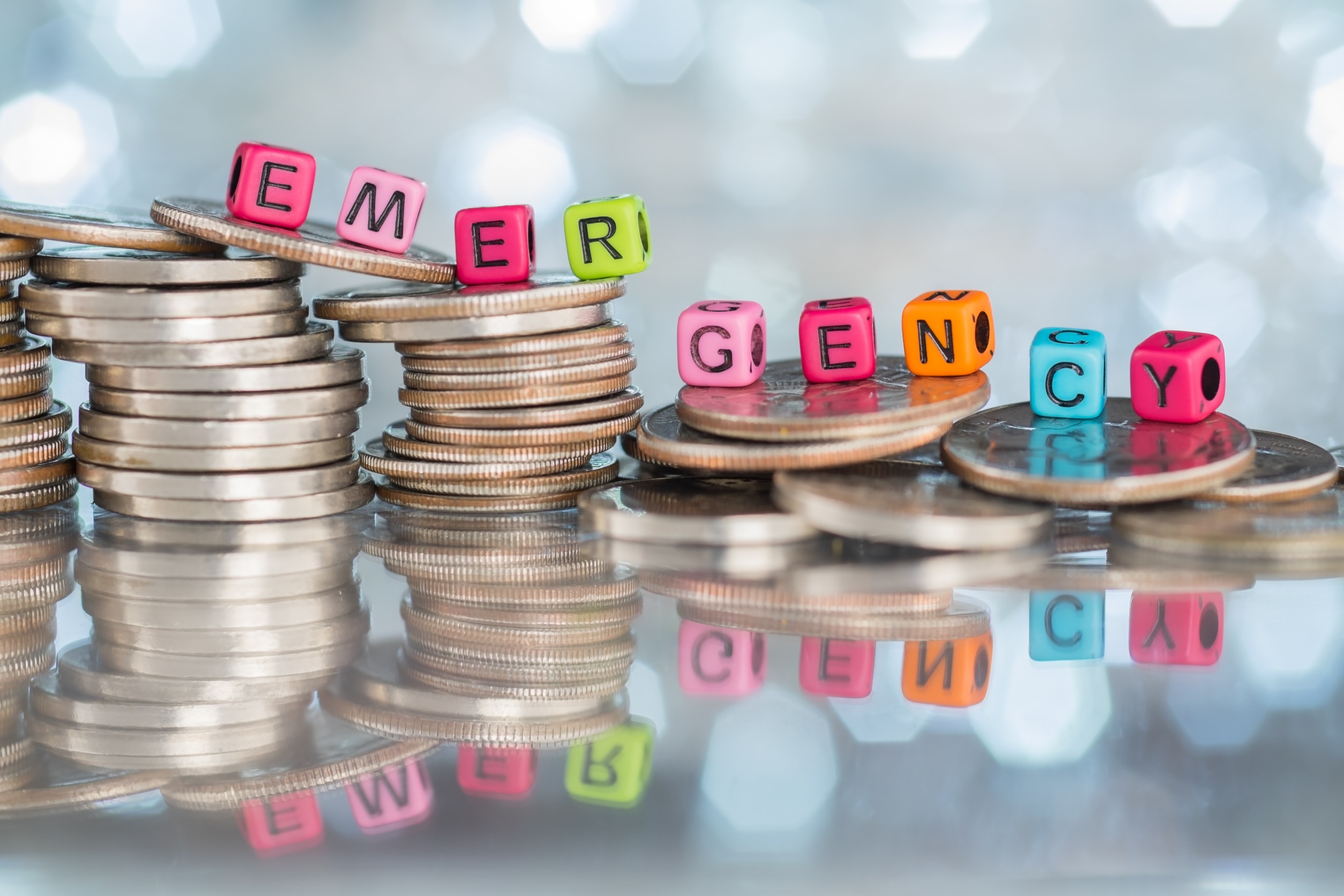
One of the fundamental principles of sound financial management is maintaining an emergency fund. Yet, many individuals find themselves unprepared for unexpected expenses such as medical emergencies, car repairs, or sudden job loss. The absence of a safety net can quickly escalate into a cycle of debt as people turn to high-interest credit options, leading to a precarious financial situation that’s hard to escape.

2. Living Beyond Means

Living Beyond Means

In a society that often equates success with material possessions, living beyond one’s means has become a widespread issue. The allure of instant gratification, coupled with the ease of access to credit, tempts many into a lifestyle they cannot afford. The accumulation of unnecessary debt for luxuries rather than necessities is a direct pathway to financial distress.

3. Inadequate Financial Literacy

Inadequate Financial Literacy

Despite the wealth of information available, a significant portion of the population lacks basic financial literacy. This gap in knowledge can lead to poor financial decisions, such as high-risk investments without understanding the market or failing to read the fine print on loan agreements. Financial education is crucial in empowering individuals to make informed decisions and avoid pitfalls that could lead to being broke.

4. Failure to Budget and Plan

Failure to Budget and Plan

Budgeting is the cornerstone of financial stability, yet it’s often overlooked. Without a clear understanding of income versus expenses, saving becomes an afterthought, and overspending becomes the norm. This lack of planning not only impedes the ability to save for future goals but also increases vulnerability to falling into debt.

5. High Cost of Living

High Cost of Living

In many urban areas, the cost of living has skyrocketed, outpacing income growth. Housing, healthcare, and education costs can consume a significant portion of income, leaving little room for savings. This economic squeeze can force individuals into a paycheck-to-paycheck existence with no buffer for financial shocks.

6. Poor Debt Management

Poor Debt Management

Debt, if not managed wisely, can become a relentless burden, particularly when high-interest debts such as credit card balances are involved, which can snowball and consume an ever-larger portion of one’s income. Without a strategic approach to debt reduction, such as prioritizing high-interest debts, seeking lower interest rates, or consolidating loans, individuals can find themselves in a deep financial hole, struggling to climb out and regain their financial footing.

7. Job Loss or Reduced Income

Job Loss or Reduced Income

The volatility of the job market can lead to unexpected unemployment or a reduction in income, drastically altering one’s financial landscape and making it difficult to meet even basic living expenses. Without adequate savings or a contingency plan, this sudden loss of income can lead to rapid financial decline – pushing individuals toward the brink of insolvency – and underscoring the importance of having a financial buffer in today’s unpredictable economy.

8. Medical Expenses

Medical Expenses

Even with health insurance, medical emergencies can lead to substantial out-of-pocket expenses, often catching individuals off guard. In countries without comprehensive healthcare, a single medical emergency can wipe out savings and lead to crippling debt, illustrating the precarious balance between health and financial well-being.

9. Lack of Diversified Income Streams

Lack of Diversified Income Streams

Reliance on a single source of income is increasingly risky in today’s dynamic economic environment. Job security is no longer a given, and unexpected disruptions can lead to a complete loss of income. Diversifying income streams, whether through investments, side gigs, or acquiring new skills, can provide a financial cushion and reduce the risk of ending up broke.

Avoiding Pitfalls That Cause People to End Up Broke

Avoiding Pitfalls That Cause People to End Up Broke

The journey to financial stability is fraught with challenges, yet understanding the common pitfalls can serve as the first step toward avoiding them. By fostering financial literacy, living within one’s means, and adopting prudent financial practices, individuals can navigate the complexities of personal finance and steer clear of the perilous path that leads to being broke. In a world where economic uncertainties abound, preparedness and knowledge remain our most reliable allies.

Read More:

The Psychology of Poverty: 18 Surprising Effects of Being Broke on Your Mind

Why Being Broke in Your 20s Can Be the Best Thing for Your Future: 13 Reasons

Catherine Reed
Catherine Reed

Catherine is a tech-savvy writer who has focused on the personal finance space for more than eight years. She has a Bachelor’s in Information Technology and enjoys showcasing how tech can simplify everyday personal finance tasks like budgeting, spending tracking, and planning for the future. Additionally, she’s explored the ins and outs of the world of side hustles and loves to share what she’s learned along the way. When she’s not working, you can find her relaxing at home in the Pacific Northwest with her two cats or enjoying a cup of coffee at her neighborhood cafe.

Filed Under: personal finance, ShareMe Tagged With: being broke, broke, financial challenges, financial problems, financial uncertainty, no money, Personal Finance

The Psychology of Poverty: 18 Surprising Effects of Being Broke on Your Mind

March 21, 2024 By Catherine Reed Leave a Comment

The Psychology of Poverty 18 Surprising Effects of Being Broke on Your Mind

In an era where economic disparity is a glaring issue, understanding the psychology of poverty is crucial. The mental toll of financial instability is profound, influencing behaviors, decision-making processes, and even cognitive functions. Here’s a look at 18 often-overlooked psychological effects of poverty, offering insights into how financial strain can reshape one’s mental landscape.

1. Decision Fatigue and Short-Term Focus

Decision Fatigue and Short-Term Focus

Living in poverty subjects individuals to constant decision-making about immediate needs, leading to decision fatigue. This mental state impairs one’s ability to make sound decisions, trapping individuals in a cycle of short-term thinking. Prioritizing immediate over long-term needs can perpetuate financial difficulties, creating a psychological barrier to escaping poverty.

2. Heightened Stress and Anxiety Levels

Heightened Stress and Anxiety Levels

Financial insecurity is a significant stressor, contributing to heightened levels of anxiety and stress. Chronic stress not only affects mental health but also has physical ramifications, such as increased risk of heart disease and diabetes. The constant worry over finances can consume one’s mental bandwidth, overshadowing other aspects of life.

3. Diminished Cognitive Function

Diminished Cognitive Function

Research indicates that the strain of financial scarcity can lead to a measurable decline in cognitive function. The mental load of poverty consumes cognitive resources, making it harder to focus, remember information, or solve problems. This cognitive burden can affect performance in work and educational settings, reinforcing the cycle of poverty.

4. Lowered Self-Esteem and Sense of Worth

Lowered Self-Esteem and Sense of Worth

Financial struggles can erode one’s self-esteem and sense of self-worth. The societal stigma associated with poverty can lead to feelings of shame and inadequacy, impacting mental health and social relationships. This diminished self-image can hinder one’s motivation to pursue opportunities for improvement.

5. Increased Risk of Mental Health Disorders

Increased Risk of Mental Health Disorders

Poverty is linked to a higher prevalence of mental health disorders, including depression, anxiety, and substance abuse. The psychological pressures of financial hardship can trigger or exacerbate these conditions, creating additional barriers to overcoming poverty.

6. Altered Risk Perception and Decision-Making

Altered Risk Perception and Decision-Making

Poverty can alter one’s perception of risk, leading to seemingly irrational decision-making. When survival is at stake, high-risk opportunities might appear more attractive, as the potential short-term gain outweighs the long-term consequences. This altered risk assessment can perpetuate financial instability.

7. Impact on Children’s Psychological Development

Impact on Children's Psychological Development

Children raised in poverty are at risk of delayed cognitive and emotional development. The lack of resources and a stimulating environment can hinder educational achievement and social skills, affecting their future prospects and perpetuating the cycle of poverty.

8. Social Isolation and Decreased Community Engagement

Social Isolation and Decreased Community Engagement

Financial strain can lead to social isolation, as individuals may feel ashamed of their situation or unable to participate in social activities that require financial expenditure. This isolation can decrease community engagement and support networks, essential for mental well-being and opportunities for advancement.

9. Resilience and Creative Problem-Solving

Resilience and Creative Problem-Solving

Despite the challenges, poverty can also foster resilience and creative problem-solving skills. Necessity often leads to innovative solutions, and individuals facing financial hardships can develop unique strategies to navigate their circumstances. This resilience, however, should not overshadow the need for systemic solutions to poverty.

10. The Generational Impact of Poverty

Generational Impact of Poverty

Poverty’s psychological effects can transcend generations, as children inherit not only the financial circumstances of their parents but also the associated mental health challenges and coping mechanisms. Breaking this cycle requires comprehensive strategies that address both economic conditions and mental health support.

11. Erosion of Trust and Social Capital

Erosion of Trust and Social Capital

Poverty can lead to a profound erosion of trust in both personal relationships and institutions. This skepticism stems from repeated experiences of instability and, at times, exploitation. A diminished trust in societal structures can lead to a withdrawal from community participation and a reluctance to seek help, further isolating individuals in need.

12. Increased Exposure to Adverse Life Events

Increased Exposure to Adverse Life Events

Individuals living in poverty are more likely to experience adverse life events, such as crime, violence, and environmental hazards. This increased exposure not only contributes to immediate stress and trauma but also has long-lasting psychological effects, influencing one’s worldview and sense of safety.

13. Cognitive Load and Time Scarcity

Cognitive Load and Time Scarcity

The constant juggling of financial constraints places a significant cognitive load on individuals, leading to a perception of time scarcity. This mental state can make days feel shorter and tasks more overwhelming, impacting productivity and the ability to plan for the future.

14. Impaired Parenting and Family Dynamics

Impaired Parenting and Family Dynamics

Financial stress can strain family relationships and impair parenting practices. Parents struggling with poverty may have less time and emotional bandwidth to provide supportive, nurturing environments, affecting children’s emotional and social development.

15. Stigmatization and Social Judgment

Stigmatization and Social Judgment

The stigma associated with poverty can lead to social judgment and discrimination, affecting individuals’ social interactions and opportunities. This stigmatization not only damages self-esteem but also reinforces societal barriers, making upward mobility even more challenging.

16. Learned Helplessness and Passivity

Learned Helplessness and Passivity

Persistent failure to improve one’s financial situation can lead to learned helplessness, where individuals feel powerless to change their circumstances. This psychological state fosters passivity and resignation to poverty, undermining efforts to seek out opportunities for improvement.

17. Disrupted Educational Opportunities

Disrupted Educational Opportunities

Poverty can disrupt educational opportunities, leading to lower academic achievement and limited future prospects. The psychological stress associated with financial hardship can distract from learning and decrease motivation, perpetuating the cycle of poverty through diminished educational outcomes.

18. Sense of Exclusion and Marginalization

Sense of Exclusion and Marginalization

Living in poverty can create a pervasive sense of exclusion from mainstream society. This feeling of marginalization can impact one’s identity and belonging, leading to social withdrawal and a decreased sense of community, further isolating individuals from potential support networks and opportunities for advancement.

Why Understanding the Psychology of Poverty Matters

Why Understanding the Psychology of Poverty Matters

Ultimately, the psychological impact of poverty extends beyond immediate financial concerns, affecting cognitive functions, mental health, and social relationships. Understanding these effects is crucial for developing effective interventions that address both the economic and psychological dimensions of poverty. As we strive for a more equitable society, acknowledging and addressing the mental toll of financial hardship is a vital step toward meaningful change.

Catherine Reed
Catherine Reed

Catherine is a tech-savvy writer who has focused on the personal finance space for more than eight years. She has a Bachelor’s in Information Technology and enjoys showcasing how tech can simplify everyday personal finance tasks like budgeting, spending tracking, and planning for the future. Additionally, she’s explored the ins and outs of the world of side hustles and loves to share what she’s learned along the way. When she’s not working, you can find her relaxing at home in the Pacific Northwest with her two cats or enjoying a cup of coffee at her neighborhood cafe.

Filed Under: financial stress Tagged With: being broke, financial hardship, financial struggle, mental health, psychology of poverty, well-being, wellness

Why Being Broke in Your 20s Can Be the Best Thing for Your Future: 13 Reasons

March 20, 2024 By Catherine Reed Leave a Comment

Why Being Broke in Your 20s Can Be the Best Thing for Your Future

In an era where financial success is often glorified, the narrative of struggling through one’s 20s might seem more like a cautionary tale than a blueprint for success. However, experiencing financial hardship in your 20s can paradoxically lay the groundwork for a prosperous future. This counterintuitive perspective is increasingly relevant as young people navigate the complexities of modern economies, job markets, and personal finance. Below are 13 compelling reasons why being broke in your 20s might just be the best thing for your future.

1. Learning Financial Discipline

Learning Financial Discipline

When funds are limited, budgeting isn’t just a good habit—it’s a necessity. Being broke teaches you the importance of tracking every dollar, distinguishing between wants and needs, and planning for future expenses. This enforced discipline can form the backbone of sound financial management for the rest of your life, ensuring that when more money comes your way, you’ll use it wisely.

2. Cultivating Resourcefulness

Cultivating Resourcefulness

Financial constraints often lead to creative problem-solving. Whether it’s learning to repair your own clothes, cooking meals from scratch, or finding free entertainment, being broke encourages innovation. This ingenuity is a valuable skill that fosters a can-do attitude, indispensable in both personal and professional realms.

3. Appreciating the Value of Money

Appreciating the Value of Money

Experiencing a tight budget firsthand instills a deep appreciation for the value of money. When you’ve had to work hard for every dollar, you’re less likely to take financial resources for granted. This gratitude can lead to more thoughtful spending and investment decisions, paving the way for long-term financial health.

4. Building Grit and Resilience

Building Grit and Resilience

Navigating financial hardship requires a certain mental toughness. The challenges of being broke teach you to persevere in the face of adversity, bounce back from setbacks, and stay committed to your goals. These traits are invaluable in every aspect of life, from personal relationships to career development.

5. Emphasizing Non-Material Values

Emphasizing Non-Material Values

A lack of financial abundance can shift the focus from material possessions to non-material sources of happiness and fulfillment. Relationships, experiences, and personal growth often take center stage, contributing to a richer, more balanced life perspective that values what truly matters.

6. Encouraging Financial Education

Encouraging Financial Education

Being broke is a powerful motivator for learning about personal finance, investment, and wealth creation. This self-education can lead to more informed financial decisions, better money management, and ultimately, a more secure financial future.

7. Fostering Empathy and Understanding

Fostering Empathy and Understanding

Experiencing financial struggle firsthand can foster a deep sense of empathy for others facing similar challenges. This understanding can inspire a more compassionate approach to personal and professional relationships and may motivate you to give back to the community when your financial situation improves.

8. Prioritizing Health and Well-being

Prioritizing Health and Well-being

When money is tight, expensive gym memberships and wellness fads are off the table. This can lead to discovering affordable or free ways to maintain health and well-being, such as outdoor exercise, home-cooked meals, and mindfulness practices. These healthy habits can have long-lasting benefits for both physical and mental health.

9. Developing a Strong Work Ethic

Developing a Strong Work Ethic

The drive to improve your financial situation can instill a strong work ethic. Whether it’s pursuing higher education, working multiple jobs, or starting a side hustle, the effort you put in during your 20s can set the stage for career advancement and financial stability.

10. Learning to Network

Learning to Network

Being broke often necessitates reaching out to others for advice, opportunities, or support. This can help you develop networking skills that are crucial for professional growth. Building a broad network of contacts can open doors to opportunities that might otherwise have been inaccessible.

11. Valuing Simplicity

Valuing Simplicity

Financial constraints can lead to a simpler lifestyle, free from the clutter of unnecessary possessions and the stress of keeping up with consumer trends. This simplicity can promote a sense of clarity and focus, valuable in all areas of life.

12. Inspiring Innovation and Entrepreneurship

Inspiring Innovation and Entrepreneurship

The necessity to make ends meet can spark entrepreneurial ventures. Many successful businesses have been born out of the need to solve personal problems or make the most of limited resources. This innovative mindset can be a key driver of future success.

13. Building Financial Independence

Building Financial Independence

Ultimately, the lessons learned from being broke can lead to a path of financial independence. The habits, skills, and mindset developed during this time can enable you to build wealth, invest wisely, and achieve financial freedom.

Being Broke in Your 20s Is Challenging, But Also an Opportunity

Being Broke in Your 20s Is Challenging, But Also an Opportunity

Being broke in your 20s is undoubtedly challenging, but it’s also a unique opportunity to build a solid foundation for your future. The resilience, discipline, and creativity honed during this time can transform financial adversity into a launching pad for lifelong success.

Read More

The Psychology of Poverty: 18 Surprising Effects of Being Broke on Your Mind

10 Reasons the Wealthy Aren’t Giving Their Kids Money and Neither Should You

Catherine Reed
Catherine Reed

Catherine is a tech-savvy writer who has focused on the personal finance space for more than eight years. She has a Bachelor’s in Information Technology and enjoys showcasing how tech can simplify everyday personal finance tasks like budgeting, spending tracking, and planning for the future. Additionally, she’s explored the ins and outs of the world of side hustles and loves to share what she’s learned along the way. When she’s not working, you can find her relaxing at home in the Pacific Northwest with her two cats or enjoying a cup of coffee at her neighborhood cafe.

Filed Under: financial lesson Tagged With: beating broke, being broke, broke in your 20s, financial lessons, financial savvy, growing up

  • « Previous Page
  • 1
  • 2
  • Facebook
  • Pinterest
  • RSS
  • Twitter

Improve Your Credit Score

Money Blogs

  • Celebrating Financial Freedom
  • Christian PF
  • Dual Income No Kids
  • Financial Panther
  • Gajizmo.com
  • Lazy Man and Money
  • Make Money Your Way
  • Money Talks News
  • My Personal Finance Journey
  • Personal Profitability
  • PF Blogs
  • Reach Financial Independence
  • So Over Debt
  • The Savvy Scot
  • Yes, I am Cheap

Categories

Disclaimer

Please note that Beating Broke has financial relationships with some of the merchants mentioned here. Beating Broke may be compensated if consumers choose to utilize the links located throughout the content on this site and generate sales for the said merchant.

Visit Our Advertisers

Need to change careers? Consider an Accounting Certificate Program from WTI.