

Beating Broke

Personal Finance from the Broke Perspective

  • Home
  • About
  • We Recommend
  • Contact
  • Privacy Policy

Powered by Genesis

10 Things the Middle Class Can’t Afford Anymore

May 15, 2024 By Catherine Reed Leave a Comment

10 Things the Middle Class Can't Afford Anymore

The economic landscape for the middle class in many countries has undergone significant shifts due to factors like inflation, stagnating wages, and changing societal norms. This has resulted in a reevaluation of what is considered affordable for the average middle-class family. Here, we explore ten items and experiences that have become increasingly out of reach.

1. Single-Family Homes in City Centers

Single-Family Homes in City Centers

Owning a home in the heart of the city has become a distant dream for many middle-class families. Urban real estate prices have skyrocketed, driven by high demand and limited supply. The dream of a backyard and a white picket fence now often requires a move to the suburbs or accepting a smaller living space, such as a condominium or an apartment, as urban single-family homes drift out of financial reach.

2. College Education Without Debt

College Education Without Debt

Higher education costs have risen dramatically, far outpacing the inflation rate and middle-class wage growth. As a result, attending college without incurring significant debt is becoming increasingly unrealistic. This financial burden often forces students and their families to rely on loans, which can have long-lasting impacts on financial stability and wealth accumulation.

3. Comprehensive Health Insurance

Comprehensive Health Insurance

Healthcare costs have become one of the biggest financial concerns for middle-class families. Comprehensive health insurance plans that cover a wide range of medical needs without high out-of-pocket costs are becoming rarer and more expensive, pushing more people to opt for high-deductible plans that only provide basic coverage.

4. Retirement Savings
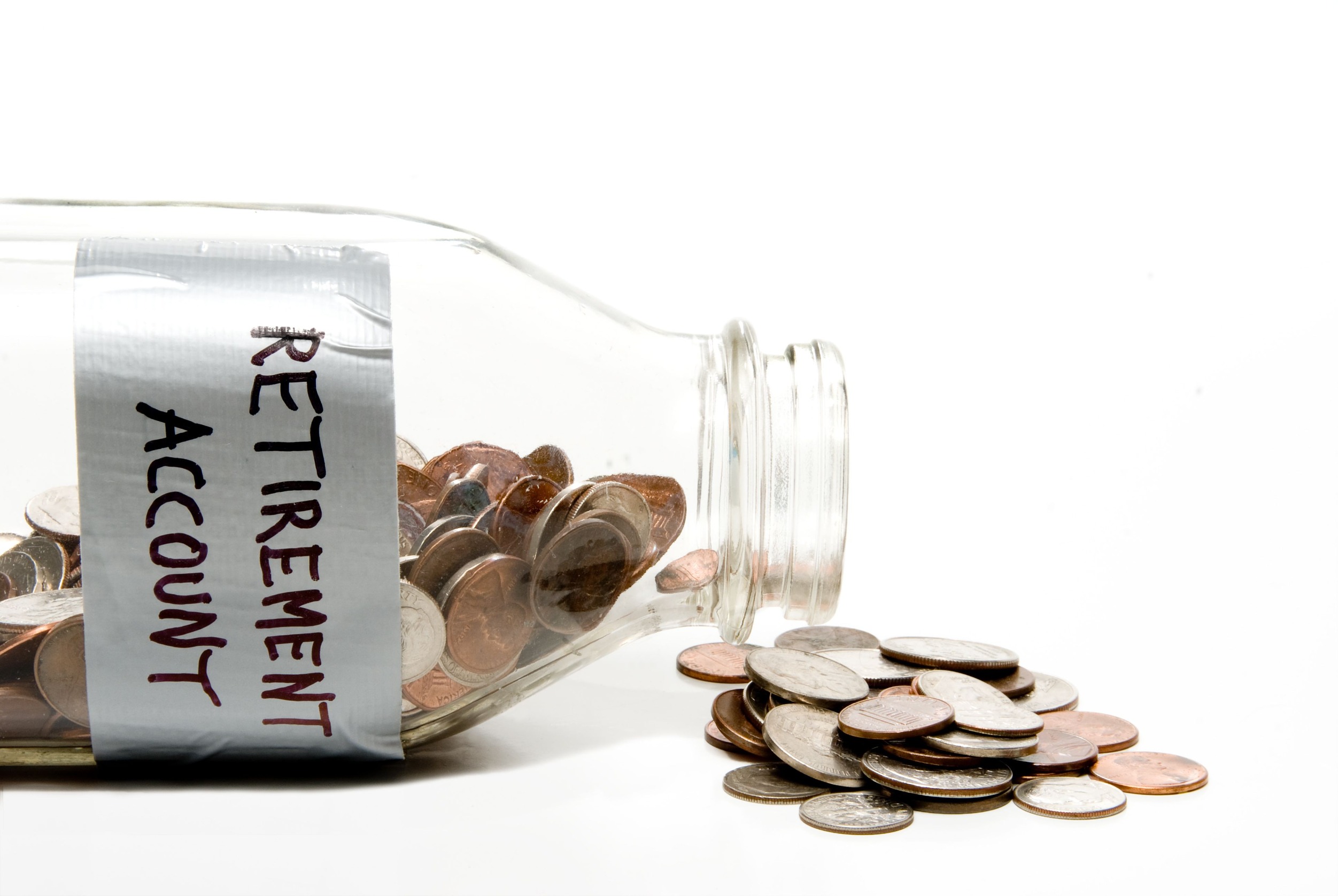
Retirement Savings

Saving for retirement is a growing challenge as many middle-class individuals live paycheck to paycheck. Factors such as higher living costs, the need to support aging parents or adult children, and the lack of employer-sponsored pension plans contribute to the difficulty in setting aside adequate funds for the golden years.

5. Leisure Travel

Leisure Travel

Leisure travel is becoming a luxury that not all middle-class families can afford. The costs associated with vacations, including flights, accommodations, and activities, have increased, making it harder to budget for travel. This shift has led many to seek alternatives like staycations or short, local trips instead of more extended or exotic vacations.

6. New Vehicles

New Vehicles

The average price of new vehicles has increased substantially, making it difficult for middle-class buyers to purchase them without taking on burdensome financing arrangements. Many families now opt to keep their older vehicles longer or are turning to the used market, where prices have also been rising but remain more manageable compared to new cars.

7. Private School Education

Private School Education

Once a staple for the aspiring middle class, private education has become prohibitively expensive. With tuition fees climbing each year, many families are forced to rely on public schooling, which varies widely in quality depending on geographic location, further exacerbating educational inequalities. The escalating costs have made private schools an option only for the upper echelons, pushing many families to seek alternative educational opportunities or supplemental programs to enhance public education offerings.

8. Investment Properties
Investment Properties

Buying a second home as an investment or for rental income is increasingly unrealistic for the middle class. High property prices, tighter credit conditions, and the substantial initial investment required make this wealth-building strategy less accessible than in previous decades. Additionally, the ongoing property management and maintenance expenses can deter middle-class families from investing in real estate as a secondary income source.

9. Long-Term Care Insurance

Long-Term Care Insurance

As life expectancy increases, so does the potential need for long-term care, which can be incredibly costly. Long-term care insurance, which can help cover these costs, has become increasingly expensive and out of reach for many in the middle class, leaving them vulnerable to future financial strain.

10. Disposable Income for Luxuries

Disposable Income for Luxuries

With the rising cost of living, disposable income has shrunk, limiting non-essential purchases such as high-end electronics, jewelry, and dining out. Middle-class families focus more on saving and budgeting for necessities, reducing spending on items once considered routine indulgences.

The Middle Class Can’t Afford What It Used To

The Middle Class Can’t Afford What It Used To

The shifting economic conditions that make these ten items less affordable reflect broader challenges facing the middle class. As the cost of living continues to rise without a corresponding wage increase, the middle class has to adjust expectations and reconsider what it means to live a “middle-class lifestyle.” Addressing these challenges will require not just personal financial management but also broad-based policy solutions to restore affordability and economic security.

Read More:

11 Fruits and Vegetables You Can Still Afford Even If You’re Broke

How to Find an Affordable Apartment in a Big City

Catherine Reed
Catherine Reed

Catherine is a tech-savvy writer who has focused on the personal finance space for more than eight years. She has a Bachelor’s in Information Technology and enjoys showcasing how tech can simplify everyday personal finance tasks like budgeting, spending tracking, and planning for the future. Additionally, she’s explored the ins and outs of the world of side hustles and loves to share what she’s learned along the way. When she’s not working, you can find her relaxing at home in the Pacific Northwest with her two cats or enjoying a cup of coffee at her neighborhood cafe.


Filed Under: Lifestyle Tagged With: budget, can't afford, cost of living, expenses, inflation, middle class, Personal Finance, spending

Make Sure You Set Aside Money for These March Expenses

March 12, 2020 By MelissaB Leave a Comment

One of the hardest parts of trying to develop and maintain a budget is the irregular expenses.  You might have a $600 car insurance payment that is only due twice a year.  Some people budget for these by setting aside a little money each month for each irregular expense, while others choose to face them as they come.  If you use the latter strategy, make sure you set aside money for these March expenses.

Make Sure You Set Aside Money for These March Expenses

Bookkeeper and Accountant

Ah, tax time.  The procrastinators among us have less than a month to get our taxes filed.  If you own your own business, you will likely have bookkeeping expenses.  Then, you’ll need to pay the accountant to file your taxes.  This can quickly add up to several hundred dollars.  Many people forget to budget for this expense because it only happens once a year.  (And let’s face it, for the rest of the year, many of us want to forget all about filing income taxes.)

Taxes

And then there are the taxes themselves.  Sure, many individuals break even or get a refund, but for those of us who don’t, we’ll need to pony up and pay anywhere from a few hundred to a few thousand dollars to the federal government.  As tax situations vary yearly, there’s really no way to adequately estimate how much these taxes will be ahead of time.

Easter

Make Sure You Set Aside Money for These March
Photo by Tim Gouw on Unsplash

Easter is in April this year, and it brings with it many small expenses.  You may need to buy new clothes for the Easter religious service, and then, of course, there’s all the candy to fill the Easter baskets.  Although Easter never seems like it should be an expensive holiday to me, I’m always surprised by how much we spend on this holiday.

High School Special Expenses

Spring brings so many expenses for high school students, especially upper classmen.

Prom

Make Sure You Set Aside Money for These March
Photo by Tai’s Captures on Unsplash

Prom will be fast approaching.  Now is a good time to determine how much money you will contribute to your child’s prom.  Will you buy the tickets?  Buy the dress or rent the tux?  Pay for the dinner out?  How much do you expect your child to pay for, or will you pay for everything?

ACTs and SATs

If your child is college bound, she will likely be taking either the ACT, SAT or PSAT this spring.  You’ll likely be paying between $20 and $60 for each of these tests.  You’ll want to have money set aside for these expenses.

College Visits

If your child is a senior, he has likely received his college acceptance letters, and if you haven’t already done so, you may want to take a trip to visit the college to see if it’s a good fit.  That’s fairly inexpensive to do if the college is within a few hours of your home, but if it’s farther, it will likely cost a couple hundred dollars at least.

Final Thoughts

To make sure your budget stays balanced, make sure you set aside money for these March expenses.  You’ll be glad that you did, and you’ll head into April with a healthy budget.

MelissaB
MelissaB

Melissa is a writer and virtual assistant. She earned her Master’s from Southern Illinois University, and her Bachelor’s in English from the University of Michigan. When she’s not working, you can find her homeschooling her kids, reading a good book, or cooking. She resides in New York, where she loves the natural beauty of the area.

www.momsplans.com/

Filed Under: Children, Married Money Tagged With: budget, expenses

Simple Ways to Save Even When Money Is Tight

February 20, 2018 By MelissaB 4 Comments

For the 15 years my husband and I have been married, we’ve always shared just one car.  Actually, most of the time I’ve been the one with the car—first because I had to drive to work while he could easily take the train, and, once I became a stay-at-home mom, because I usually had the kids that I needed to transport while he could commute by public transportation.

While he’s been a good sport about this situation, the time has come to finally buy another car that he can use.

The problem?  We don’t want to take out a car loan because doing so would create a serious strain on our budget.  We want to pay cash instead.

But how do you save money for a car when you feel like there’s absolutely NO wiggle room in your budget?  Here are the strategies we’re using.

Save Cash Back from Credit Cards

Our credit card regularly gives us cash back.  For the first three months of 2016, we’ve earned just shy of $150 in cash back.  If we continue at this pace, we’ll have an extra $600 in cash back thanks to using, and paying off, our credit card each month for as many purchases as we can.

Save Whenever You Receive Discounts on Regular Expenses

This is my favorite way to save because there are so many opportunities to save this way!

For instance, at Christmas, we received a postcard from our car repair shop offering 10% off our next car repair.  I held onto that, and just last week we had a $284 car repair.  We saved $28 thanks to the postcard, and that money went right in our car fund.

We took a vacation recently and stopped by Denny’s on our last day when we had eaten up all the food we had brought with us in the cooler.  Our total was $39, but for some reason, the cashier decided to give us a $6 discount.  I put that money right in our car fund.

Our grocery store gives fuel rewards points for shopping.  For every $100 spent in groceries, you get 10 cents off your next gallon of gas.  If you buy a gift card, your reward points are for double that amount.  I send any of those savings to our car fund.  Just today I put 19 gallons in my tank, and I got 20 cents off per gallon.  I put that $3.80 into our car fund.

Save Change or a Specific Bill

I don’t use this strategy anymore because we typically use credit cards for our purchases, but when I was using cash a lot, I never spent the change and earmarked it all for a specific fund.  One time, I went several months saving all of the $5 bills I got and used them to pay down debt.

To be sure, none of these savings strategies is growing our car fund at an impressive rate.  However, we ARE saving something using ways we save in our everyday lives.  We’re consciously, physically setting aside our savings, which is a great way to save when your budget is tight and you feel like you have no wiggle room.

Do you save like this?  If so, what are your favorite strategies?


MelissaB
MelissaB

Melissa is a writer and virtual assistant. She earned her Master’s from Southern Illinois University, and her Bachelor’s in English from the University of Michigan. When she’s not working, you can find her homeschooling her kids, reading a good book, or cooking. She resides in New York, where she loves the natural beauty of the area.

www.momsplans.com/

Filed Under: Frugality, Saving, ShareMe Tagged With: bills, debt, expenses, Saving

  • 1
  • 2
  • Next Page »
  • Facebook
  • Pinterest
  • RSS
  • Twitter

Improve Your Credit Score

Money Blogs

  • Celebrating Financial Freedom
  • Christian PF
  • Dual Income No Kids
  • Financial Panther
  • Gajizmo.com
  • Lazy Man and Money
  • Make Money Your Way
  • Money Talks News
  • My Personal Finance Journey
  • Personal Profitability
  • PF Blogs
  • Reach Financial Independence
  • So Over Debt
  • The Savvy Scot
  • Yes, I am Cheap

Categories

Disclaimer

Please note that Beating Broke has financial relationships with some of the merchants mentioned here. Beating Broke may be compensated if consumers choose to utilize the links located throughout the content on this site and generate sales for the said merchant.

Visit Our Advertisers

Need to change careers? Consider an Accounting Certificate Program from WTI.