Beating Broke

Personal Finance from the Broke Perspective

  • Home
  • About
  • We Recommend
  • Contact
  • Our Editorial Commitment

Powered by Genesis

Is Dental Insurance Worth It? The Surprising Truth You Need to Hear Before Your Next Dentist Visit

December 26, 2024 By Teri Monroe Leave a Comment

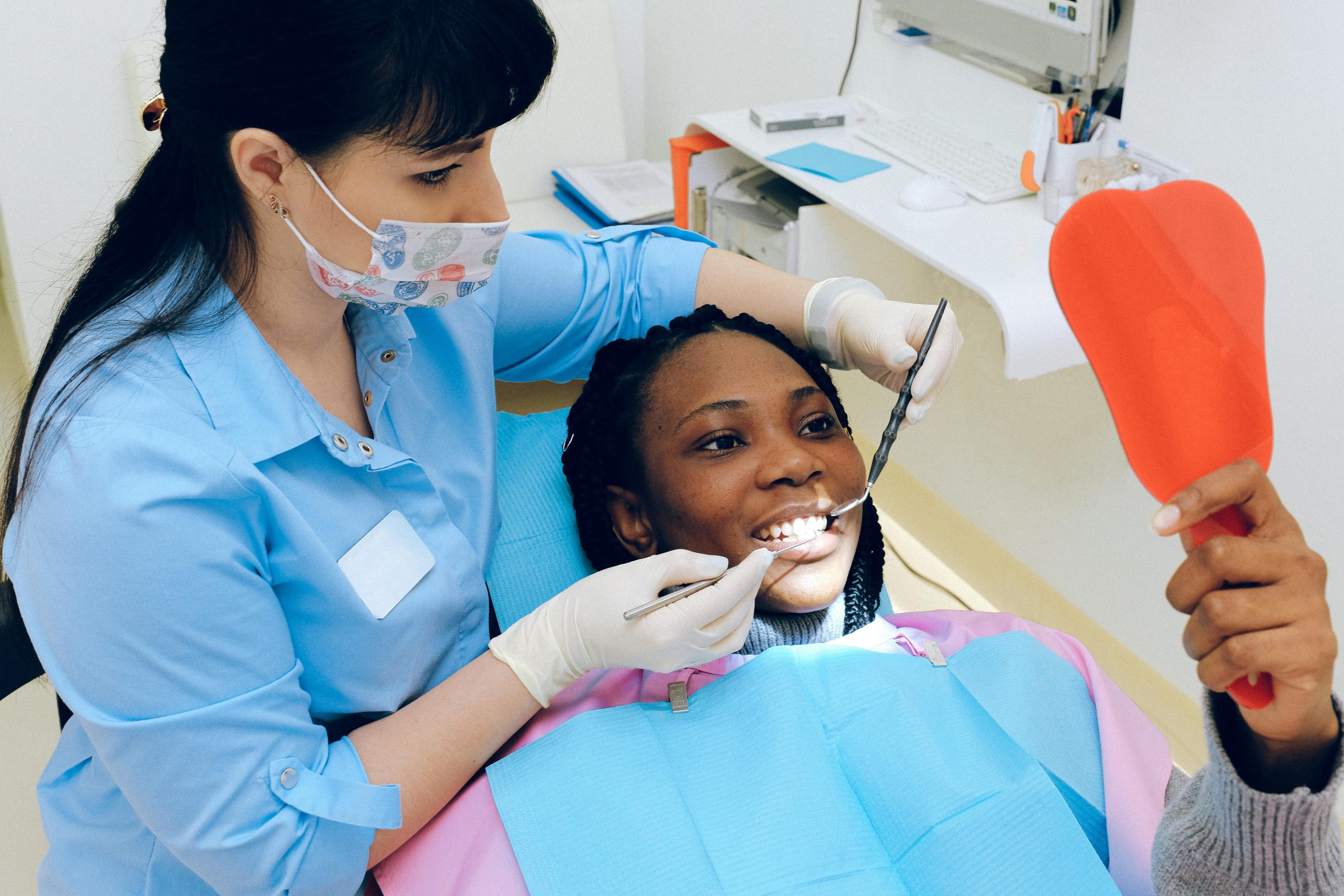
Is dental insurance worth it?
Image Source: Pexels

While health insurance is essential, is dental insurance really worth it? This really depends on your dental health and how much you want to spend. For someone who doesn’t go to the dentist often, paying for an insurance plan might feel like a waste. But, if you have a more complicated dental history, you may need the coverage. Here we’ll discuss questions to consider to see if dental insurance is right for you.

What Does It Cover?
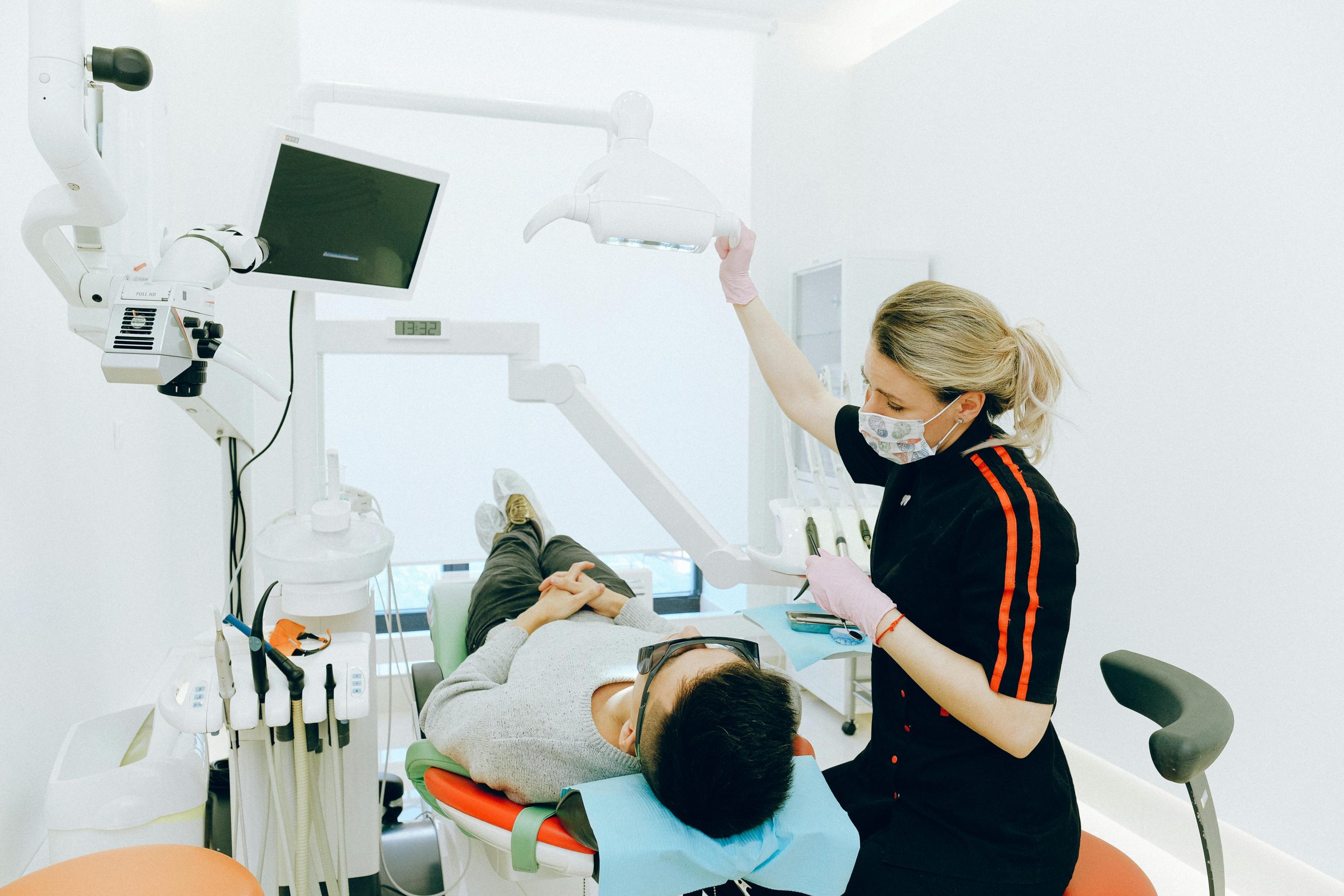
What does dental insurance cover?
Image Source: Pexels

Preventative care is usually fully covered including annual exams, x-rays, and cleanings. Some dental procedures aren’t covered. Be aware that there are also annual maximum limits with most plans as well. Most plans have a 100-80-50 coverage structure depending on the procedure. For example, cleanings could be covered at 100%, 80% could be covered for fillings, and 50% could be covered for crowns. Waiting periods may also apply for certain dental care, so you may have to wait up to six months to use your insurance for things like root canals. Plans for individuals and families also tend to cover things differently.  Ultimately, be sure to read the fine print before signing up for dental insurance to make sure it fits your needs.

How Often Do You Go to The Dentist?

If you have healthy teeth, you may not need dental insurance. For example, if you only get an annual exam and cleaning, you may not require insurance. However, if you require additional dental work like crowns, dentures, or fillings you may need insurance to help cover these costs. Consider your risk factors by taking account of preexisting conditions that may reduce your oral health like cancer, diabetes, or cardiovascular disease, your diet, tobacco use, and alcohol consumption. If you are at a higher risk, it may be smart to carry dental insurance.

Does It Save You Money?
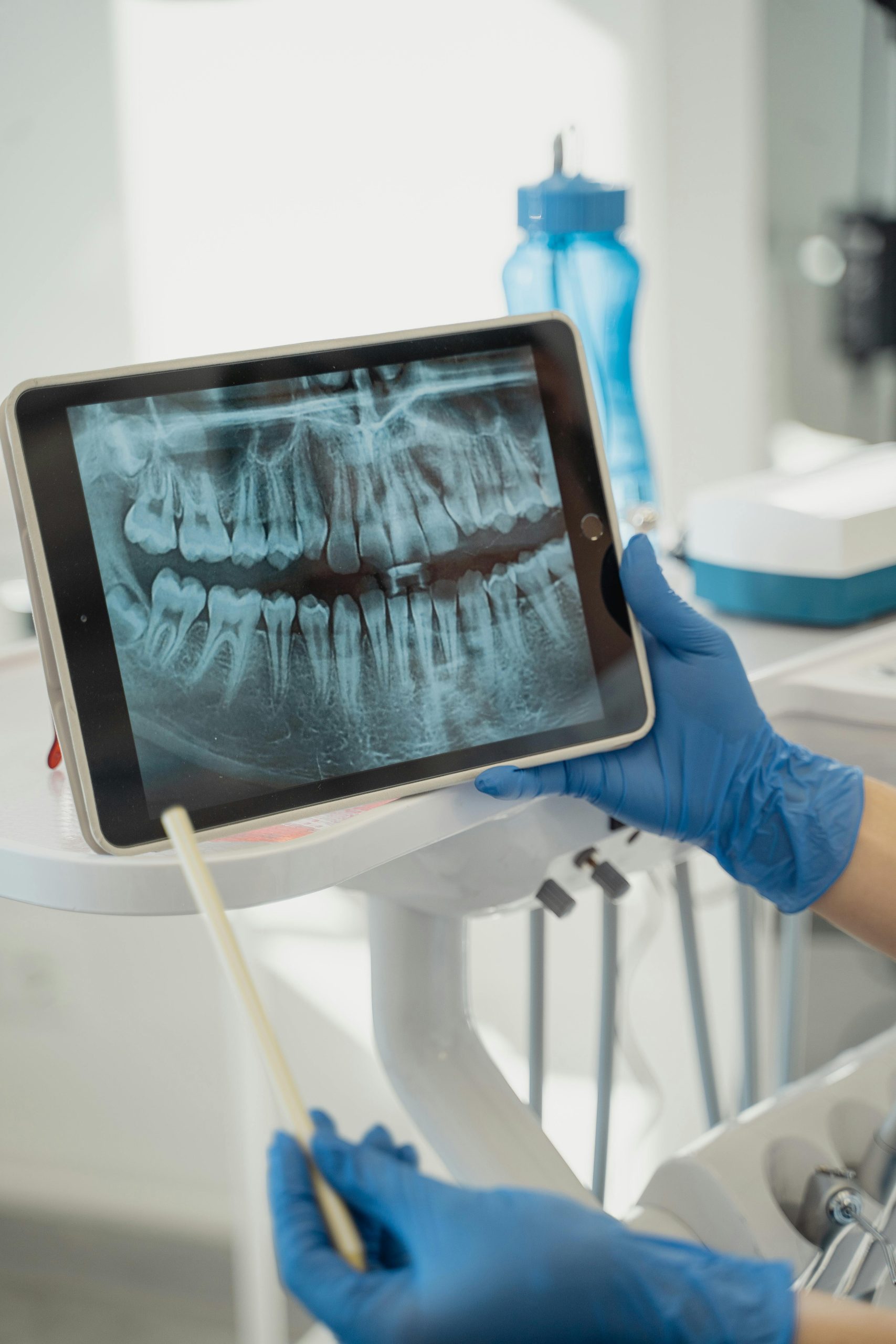
Getting x-rays at the dentist
Image Source: Pexels

You’ll have to do the math depending on the cost of your plan and what your dentist charges for visits. For example, if you visit the dentist twice a year for $500, but your premium is $600 then you’re wasting your money. However, if your employer offers a low-cost plan and you’re only paying $20 a month then having dental insurance makes sense.

Consider Alternatives to Dental Insurance

Dental discount plans save you money on everything, regardless of the procedure. There are no exclusions, maximums, or waiting periods for savings plans. There’s usually a fixed flat discount for all the care you receive. So, you’ll save money on every dental visit. Ask your dentist if they accept dental savings plans before signing up for one.

Dental payment plans are another option for paying for your services. Most dental offices will allow you to set up a payment plan for major work that may be expensive. The same is true for oral surgeons or orthodontists if you need dental implants or braces.

A Health Savings Account (HSA) or Flexible Spending Account (FSA) can also help you save money on dental care. With an FSA, pre-tax dollars can be set aside from your paycheck to cover health-related expenses including dental care. Both can also work in tandem with dental insurance.

Making a Decision about Dental Insurance

Contrary to popular belief, dental insurance is not necessary for everyone. Consider if it would make sense for you and your family before paying more for a policy that you underutilized. If your family is just going in for their routine cleanings and exams, it’s not likely that you need this type of coverage. At the end of the day, the decision is yours. You should always do what works best for your situation.

Do you have dental insurance? What has been your experience with this type of coverage?

Read More

  • 7 Unbelievable Yet True Cases of Identity Theft
  • State Disability Insurance vs. Private Disability Insurance: Which Is Right for You?

Filed Under: Insurance Tagged With: dental health, dental insurance, dental savings plan

7 Unbelievable Yet True Cases of Identity Theft

December 23, 2024 By Teri Monroe Leave a Comment

Identity Theft using PayPal accounts
Image Source: Pexels

Identity theft can be a dire situation. More than 40% of Americans have fallen victim to this crime. Usually, a bad actor hacks into your bank account, takes out loans in your name, or opens and maxes out credit cards. But there are more intricate schemes happening that may shock you. Here we’ll take a look at seven schemes that you need to protect yourself against.

1. The Fake Hostage Scam

Have you heard about this scam where someone calls saying that they have a loved one held hostage? One Indiana woman fell for the scam because she heard screaming in the background. The scammers demanded $1,500 be sent to their Venmo or they would shoot her mother. This scam takes many forms and sometimes scammers say that your loved one has been in a terrible accident and they need money for their care. It’s always a good idea to verify the situation before sending any money.

2. Scamming Lovers

Romance scam
Image Source: Pexels

Have you seen the Netflix documentary, The Tinder Swindler? Shimon Hayut is a skilled con artist who posed as a wealthy businessman, making many women fall for him. He would then say that business rivals were threatening his life and he needed credit cards and loans. Of course, he maxed out the credit cards and defaulted on the loans leaving his victims in financial ruin. It’s estimated that he swindled around $10 million from his targets. Hayut’s scam is similar to many romance scams that many individuals fall for every day. If your online lover starts asking for money, it’s time to move on.

3. Re-routing The Mail

Do you get a barrage of emails from companies asking if you want to have your bills sent to you paperlessly? You probably should take them up on online billing because of this scam. Abraham Abdallah was able to reroute mail and packages of more than 200 rich and famous celebrities, including Oprah and Spielberg, just by changing their mailing addresses to fake addresses around New York. He allegedly used web-enabled mobile phones and virtual voicemail services to track packages ordered by his targets and pick up messages from anywhere. Abdallah obtained banking information, social security numbers, and credit card accounts of victims for more than six months. He even tried to transfer $10 million out of Thomas Siebel’s account, founder of Siebel Systems. While mail scams are usually not this grandiose or successful, be careful what you send in the mail to protect yourself from identity theft.

4. Children as Targets of Identity Theft

Have you heard about the story of the mother who posed as her daughter so that she could go back to high school? Wendy Brown stole her daughter’s identity and attended a new high school so that she could be on the cheer team. Only 15 days later, she was sentenced to jail time. While moms don’t often impersonate their children, child identity theft has become a common phenomenon. Usually, scammers use children’s social security numbers to open credit cards, take out loans, or file fake tax returns. Children’s identities are much easier to steal than adults’. If you notice that your child is receiving offers for credit cards or not age-appropriate mail, take a look at their credit report and consider freezing it.

5. Swapping Phone Numbers

Youtuber Jacy Erin’s parents fell victim to identity theft when her mom’s email was hacked. The hackers were able to obtain sensitive information like her phone number and credit card information. They changed her mother’s phone number before putting $40,000 in charges on her credit card. When the credit card company called to confirm the charges, the call went right to the hackers.

6. Insider Job

Philip Cummings pleaded guilty in 2004 to one of the largest identity theft cases in the United States. Cummings worked for Teledata Communications, a company that helped run routine credit score checks for other companies. When Cummings quit his job he also took the passwords of 33,000 customers. He then sold the information to criminals. Through drained bank accounts and credit card charges, it’s estimated that victims of this scheme lost $50-$100 million. While breaches of this kind are historic, data breaches happen every day. If you are notified of a data breach where your information may be affected, be sure to set up a credit monitoring service to protect yourself.

7. PayPal Scheme

Just like Cummings, an IT professional Kenneth Gibson took private information he had access to from his employment. He created software that would create fake PayPal accounts for thousands of people. He then used the PayPal accounts to create new credit accounts. He flew under the radar for a while because he would only transfer small amounts of money, but in total, he stole more than $3.5 million.

Protecting Yourself from Identity Theft

According to recent data from the Federal Trade Commission (FTC), over 1 million cases of identity theft are reported each year. It’s estimated that millions more cases go unreported each year as well. While identity theft is a common crime, there are steps you can take to protect yourself. Always remember to monitor your credit card, bank statements, and credit score. You may also want to set up a monitoring service. With knowledge and the right tools, you can protect your identity from criminals.

Read More

  • State Disability Insurance vs. Private Disability Insurance: Which Is Right for You?
  • Are Your Money Saving Strategies Actually Costing You Money?

Filed Under: General Finance Tagged With: hacked, identity theft, stolen identity

State Disability Insurance vs. Private Disability Insurance: Which Is Right for You?

December 20, 2024 By Teri Monroe Leave a Comment

Disability insurance
Image Source: Pexels

Did you know that according to The Social Security Administration, 1 in 4 workers will become disabled during their working years? If you sustain a disability, both state or federal disability insurance and private disability insurance are viable options to lessen your economic hardship. Navigating the intricacies of disability insurance can be quite challenging so we’ll give you an overview of your options to know which is best for you.

State Disability Insurance

State disability insurance is only available in select states including California, Hawaii, New Jersey, New York, and Rhode Island. These programs are for claimants who are totally disabled claimants on a short-term basis. Each state has different requirements to be eligible for their disability insurance programs. Some typical parameters for eligibility include the length of time you have worked for your employer, how long you’ve been disabled before you can apply, and what percentage of your salary will be paid out. If your state doesn’t offer insurance, you may qualify for federal Social Security Disability Insurance.

Social Security Disability Insurance

Social Security Disability Insurance (SSDI) is only available to those who have paid into it. This means that you have contributed through payroll deductions. SSDI is available for people with both short-term and long-term disabilities. According to The Patient Advocate Foundation,  “To receive SSDI, your application must show that you can no longer work in your previous occupation, you cannot adjust to a new work environment, and your disability prevents you from being able to return to work for at least a year.” There are no time limits for how long you can receive benefits.

Private Insurance

Private insurance is paid for by the employee in the form of premiums, usually collected monthly or deducted from your paycheck. Private companies sell many different types of disability insurance, so it’s important to review your plan. Most private insurance will allow for partial disability. Unlike SSDI, there usually are time limits for how long you can receive benefits for private insurance, depending on whether you have short-term disability or long-term disability insurance.

Since most private insurance is tied to your employer, see if you can take your insurance policy with you if you leave your employer. If your private insurance is portable, you’ll continue to pay the premium, even if you leave your job.

Can I Receive Multiple Benefits?

Short-term injury
Image Source: Pexels

Yes, in some cases you can receive benefits from SDI or SSDI and private insurance. The amount that you receive from SSDI or state disability insurance will not decrease. However, private insurance policies may decrease your payout of benefits based on the amount that you are receiving from state disability insurance or SSDI. So, your monthly amount of benefits may be the same. Again, every private plan is different so contact your insurance company about your plan.

Are Benefits Taxable?

SSDI are typically not taxable income. The same is true for state disability insurance. If you are receiving unemployment benefits when you apply for disability however you may be taxed. This is because unemployment benefits are taxable and your disability insurance is seen as a substitute for you unemployment benefits. Private disability insurance is also not taxable because your premiums are paid with wages that have been taxed.

Can I Transfer My Policy?

As a rule, disability insurance can’t be transferred to another person. It is possible to designate a representative who manages your care. They may need to be interviewed or go through additional steps to manage your benefits for you.

If you move, your SSDI can be transferred to a new state. Of course, state disability insurance requires you to live in eligible states. Private insurance should also be notified of a move.

Choosing The Right Disability Insurance

Choosing insurance right for you
Image Source: Pexels

Now that you have an overview of the insurance options that may be available to you, you can make an informed choice about which is best for you. You can always contact your state or social security office for more information about state and federal programs. An injury lawyer or your employer’s HR department may also be able to assist you.

Read More

  • Are Your Money Saving Strategies Actually Costing You Money?
  • Backpacking on a Budget: 10 States Where Your Dollar Goes the Farthest

Filed Under: General Finance, health insurance Tagged With: disability insurance, private disability insurance, social security disability benefits, state disability insurance

  • « Previous Page
  • 1
  • …
  • 41
  • 42
  • 43
  • 44
  • 45
  • …
  • 320
  • Next Page »
  • Facebook
  • Pinterest
  • RSS
  • Twitter

Improve Your Credit Score

Money Blogs

  • Budget and the Bees
  • Celebrating Financial Freedom
  • Christian PF
  • Clever Dude
  • Dual Income No Kids
  • Everybody Loves Your Money
  • Financial Panther
  • Gajizmo.com
  • Grocery Coupon Guide
  • Lazy Man and Money
  • Make Money Your Way
  • Money Talks News
  • Personal Profitability
  • PF Blogs
  • Reach Financial Independence
  • Saving Advice
  • The Savvy Scot
  • Yes, I am Cheap

Categories

Disclaimer

Please note that Beating Broke has financial relationships with some of the merchants mentioned here. Beating Broke may be compensated if consumers choose to utilize the links located throughout the content on this site and generate sales for the said merchant.

Visit Our Advertisers

Need to change careers? Consider an Accounting Certificate Program from WTI.
  • Home
  • About
  • We Recommend
  • Contact
  • Our Editorial Commitment